Gunnar von Heijne - Böcker
Visar alla böcker från författaren Gunnar von Heijne. Handla med fri frakt och snabb leverans.
3 produkter
3 produkter
922 kr
Skickas inom 7-10 vardagar
Protein Targeting, Transport, and Translocation presents an in-depth overview on the topic of protein synthesis, covering all areas of protein science, including protein targeting, secretion, folding, assembly, structure, localization, quality control, degradation, and antigen presentation. Chapters also include sections on the history of the field as well as summary panels for quick reference. Numerous color illustrations complement the presentation of material. This book is an essential reference for anyone in biochemistry and protein science, as well as an excellent textbook for advanced students in these and related fields. Basic principles and techniques Targeting adn sorting sequences Protein export in bacteria Membrane protein integration into ER and bacterial membranes Protein translocation across the ER Disulfide bond formation in prokaryotes and eukaryotes Quality control in the export pathway Import of proteins into organelles The secretory pathway Vesicular transport Spectacular color throughout
878 kr
Skickas
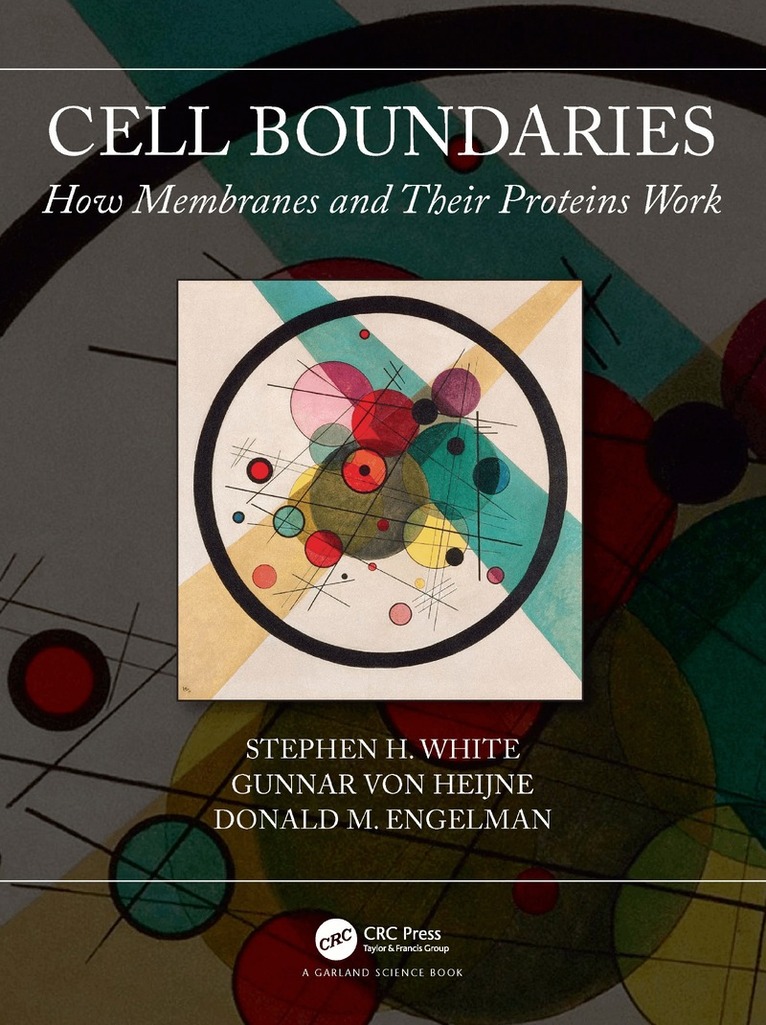
The central themes of Cell Boundaries concern the structural and organizational principles underlying cell membranes, and how these principles enable function. By building a biological and biophysical foundation for understanding the organization of lipids in bilayers and the folding, assembly, stability, and function of membrane proteins, the book aims to broaden the knowledge of bioscience students to include the basic physics and physical chemistry that inform us about membranes. In doing so, it is hoped that physics students will find familiar territory that will lead them to an interest in biology. Our progress toward understanding membranes and membrane proteins depends strongly upon the concerted use of both biology and physics. It is important for students to know not only what we know, but how we have come to know it, so Cell Boundaries endeavours to bring out the history behind the central discoveries, especially in the early chapters, where the foundation is laid for later chapters. Science is far more interesting if, as students, we can appreciate and share in the adventures—and misadventures—of discovering new scientific knowledge.Cell Boundaries was written with advanced undergraduates and beginning graduate students in the biological and physical sciences in mind, though this textbook will likely have appeal to researchers and other academics as well.Highlights the history of important central discoveriesEarly chapters lay the foundation for later chapters to build on, so knowledge is amassedHigh-quality line diagrams illustrate key concepts and illuminate molecular mechanismsBox features and spreads expand on topics in main text, including histories of discoveries, special techniques, and applications
1 292 kr
Skickas inom 10-15 vardagar
The central themes of Cell Boundaries concern the structural and organizational principles underlying cell membranes, and how these principles enable function. By building a biological and biophysical foundation for understanding the organization of lipids in bilayers and the folding, assembly, stability, and function of membrane proteins, the book aims to broaden the knowledge of bioscience students to include the basic physics and physical chemistry that inform us about membranes. In doing so, it is hoped that physics students will find familiar territory that will lead them to an interest in biology. Our progress toward understanding membranes and membrane proteins depends strongly upon the concerted use of both biology and physics. It is important for students to know not only what we know, but how we have come to know it, so Cell Boundaries endeavours to bring out the history behind the central discoveries, especially in the early chapters, where the foundation is laid for later chapters. Science is far more interesting if, as students, we can appreciate and share in the adventures—and misadventures—of discovering new scientific knowledge.Cell Boundaries was written with advanced undergraduates and beginning graduate students in the biological and physical sciences in mind, though this textbook will likely have appeal to researchers and other academics as well.Highlights the history of important central discoveriesEarly chapters lay the foundation for later chapters to build on, so knowledge is amassedHigh-quality line diagrams illustrate key concepts and illuminate molecular mechanismsBox features and spreads expand on topics in main text, including histories of discoveries, special techniques, and applications