Günter Obe - Böcker
Visar alla böcker från författaren Günter Obe. Handla med fri frakt och snabb leverans.
10 produkter
10 produkter
2 117 kr
Skickas inom 10-15 vardagar
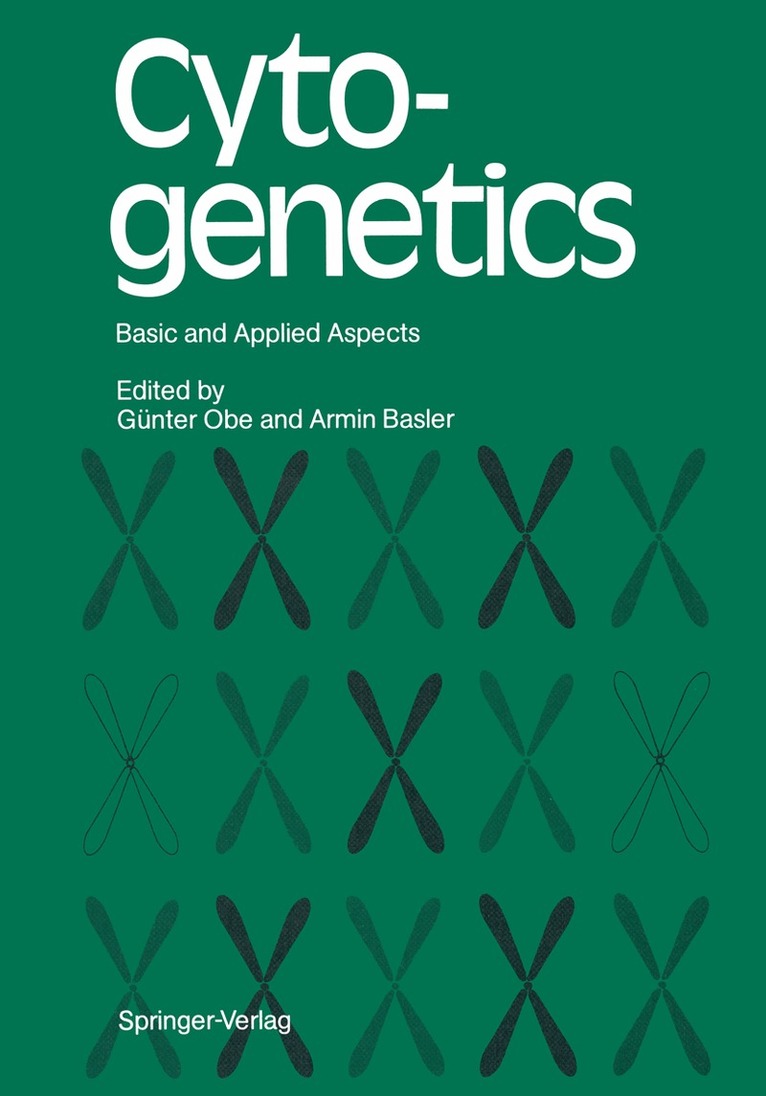
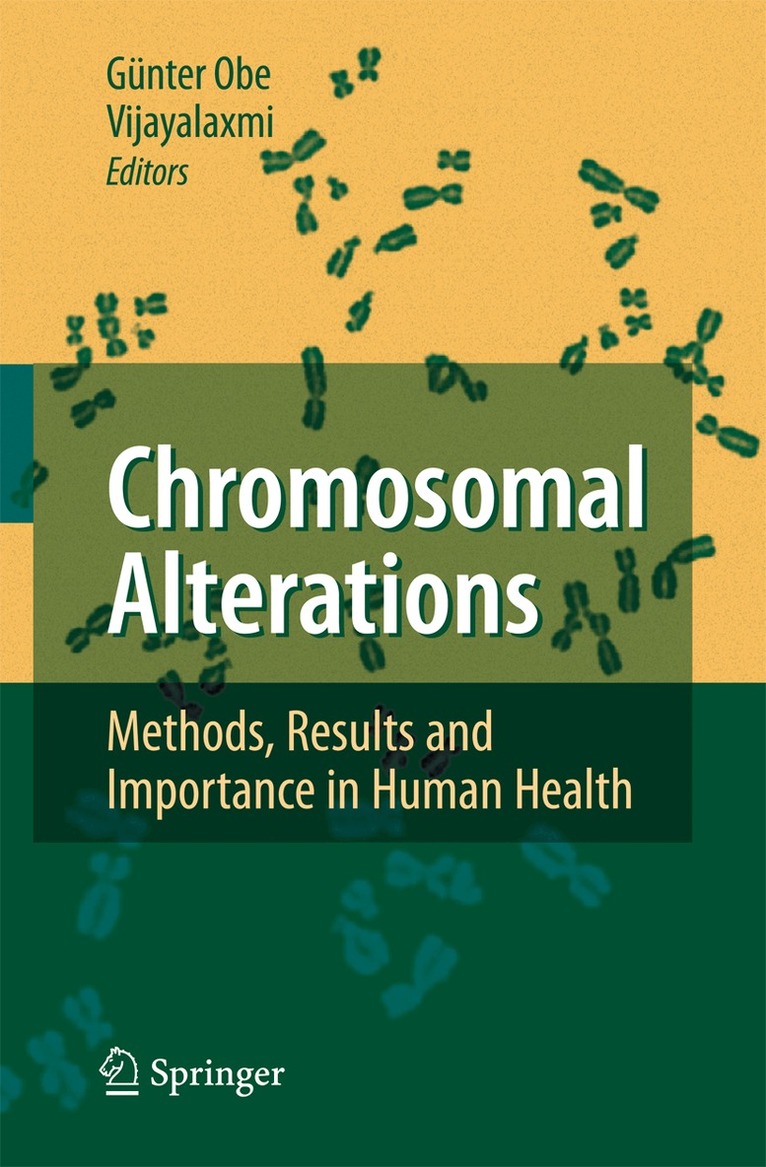
Cytogenetics is a very important research tool in basic and applied research. The uses of cytogenetics in human-population monitoring, in biological dosimetry in radiation accidents and in astronauts and as a predictive measure of cancer are topics discussed in this book. The book will help the reader to better understand cytogenetics and the intricacies of the methodology. The different methods of fluorescence in situ hybridization are discussed and the results achieved are presented. The book provides a comprehensive review of basic and applied aspects of cytogenetics and therefore will be of interest to all who are interested in chromosomes and their alterations by different types of mutagens, including chemical mutagens and ionizing and nonionizing radiation, with special reference to electromagnetic fields.
2 180 kr
Skickas inom 10-15 vardagar
Cytogenetics is a very important research tool in basic and applied research. The uses of cytogenetics in human-population monitoring, in biological dosimetry in radiation accidents and in astronauts and as a predictive measure of cancer are topics discussed in this book. The book will help the reader to better understand cytogenetics and the intricacies of the methodology. The different methods of fluorescence in situ hybridization are discussed and the results achieved are presented. The book provides a comprehensive review of basic and applied aspects of cytogenetics and therefore will be of interest to all who are interested in chromosomes and their alterations by different types of mutagens, including chemical mutagens and ionizing and nonionizing radiation, with special reference to electromagnetic fields.
1 062 kr
Skickas inom 10-15 vardagar
Different aspects of cytogenetics, such as the molecular structure of eukaryotic chromosomes, computerized analyses of chromosomes, evolution of karyotypes, chromosomes and cancer, chromosomes in genetic toxicology, and chromosomal aberrations (- induction, - in human populations, - in human eggs and sperm) are comprehensively covered in this book. New techniques and approaches accompany overviews of all the different aspects of eukaryotic chromosomes. Especially the combination of recent research data with the application of their results in modern medicine makes the book invaluable to researchers as well as to clinicians.
1 094 kr
Skickas inom 10-15 vardagar
Sixty years ago, G. Fanconi published a paper entitled: "Familiiire infantile pemiziosaartige Aniimie (pemizioses Blutbild und Konstitu- tion)", in which he reported that this type of severe aplastic anemia represents a hereditary disease distinct from other pancytopenias of childhood (Fanconi 1927). Later this syndrome was named Fan- coni anemia (FA; van Leeuwen 1933). A more recent study of the genetics of FA confirmed that the syndrome is inherited in an au- tosomal recessive manner (Schroeder et al. 1976). Prenatal diagno- sis in FA families showed that about 25% of fetuses are affected (Auerbach et al. 1985, 1986). In 1964, Schroeder et al. discovered high frequencies of chro- mosomal aberrations in cultured peripheral blood lymphocytes from patients with FA. Schuler et al. (1969) reported that cells from FA patients are particularly sensitive to the chromosome-breaking activity or clastogenic effect of a polyfunctional alkylating agent. Since that time, studies of baseline and induced frequencies of chromosomal aberrations have been used for the identification of patients with FA.There is now a large body of data concerning the possible mechanism(s) underlying the hypersensitivity of FA cells to DNA cross-linking agents, the biochemical basis for which is still unknown. Complementation analysis, using cells from different FA pa- tients, has demonstrated genetic heterogeneity in the syndrome.
1 062 kr
Skickas inom 10-15 vardagar
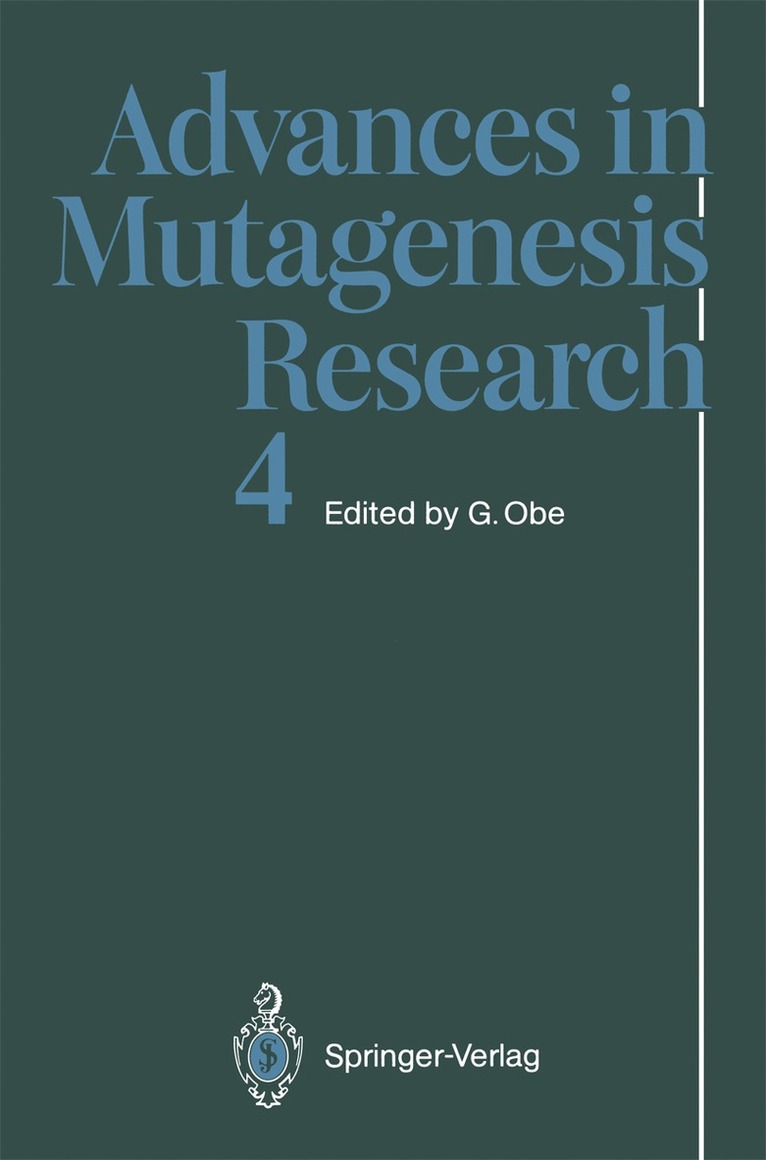
The new field of applied genetic research, genetic toxicology and mutation research investigates the mutagenicity and cancerogenicity of chemicals and other agents. Permanent changes in genes and chromosomes, or genome mutations, can be induced by a plethora of agents, including ionizing and nonionizing radiations, chemicals, and viruses. Mutagenesis research has two aims: (1) to understand the molecular mechanisms leading to mutations, and (2) to prevent a thoughtless introduction of mutagenic agents into our environment. Both aspects, namely, basic and applied, will be treated in the new series Advances in Mutagenesis Research.
1 094 kr
Skickas inom 10-15 vardagar
The new field of applied genetic research, genetic toxicology and mutation research investigates the muta- genicity and cancerogenicity of chemicals and other agents. Permanent changes in genes and chromosomes, or genome mutations, can be induced by a plethora of agents, including ionizing and nonionizing radiations, chemicals, and viruses. Mutagenesis research has two aims: (1) to understand the molecular mechanisms leading to mutations, and (2) to prevent a thoughtless introduction of mutagenic agents into our environment. Both aspects, namely, basic and applied, will be treated in the new series Advances in Mutagenesis Research.
1 094 kr
Skickas inom 10-15 vardagar
Chromosomale Mutationen sind eine der m|glichen Ursachen f}r Ver{nderungen der Erbinformation. Neben grunds{tzlichen As- pekten, wie Reparaturmechanismen der Zelle oder Ursachen von Chromosomenver{nderungen, werden angewandte Aspekte, z.B. Chromosomen als Testindikatoren der Toxizit{t, behandelt.
1 062 kr
Skickas inom 10-15 vardagar
Applied genetic research, genetic toxicology and mutation research investigate the mutagenicity and cancerogenicity of chemicals and other agents. Permanent mutation in genes and chromosomes, can be induced by a plethora of agents, including ionizing and nonionizing radiations, chemicals, and viruses. Among the aspects discussed by Advances in Mutagenesis Research are (1) the understanding of the molecular mechanisms leading to mutations, and (2) the prevention of a thoughtless introduction of mutagenic agents into the environment.
1 062 kr
Skickas inom 10-15 vardagar
Applied genetic research, genetic toxicology and mutation research investigate the mutagenicity and cancerogenicity of chemicals and other agents. Permanent mutation in genes and chromosomes, can be induced by aplethora of agents, including ionizing and nonionizing radiations, chemicals, and viruses. Among the aspects discused by Advances in Mutagenesis Research are (1) the understanding of the molecular mechanisms leading to mutations, and (2) the prevention of a thoughtless introduction of mutagenic agents into the environment. Contents: Nikolay W. Timofeeff-Ressovsky (1900-1981): An Essay on his Life and Scientific Achievements. - Arylnitrenium Ions and the Genotoxic Potency of Aromatic Amines and Nitro Compounds. - Analysisof Mutagenicity and Chemical Structure in Various Series of Related Compounds. - Formation of 8-Hydroxyguanine by Oxidative DNA Damage, its Repair and its Mutagenic Effects. - Exploring Genetic and Non-Genetic Relationships: The Induction of Micronuclei. - Mechanisms of Induced Mutagenesis by Ultraviolet Light in Escherichia coli. - Polytene Chromosomes in Mutagenesis.Three-Way Differential Stainingof Chromosomes for the Identification of SCEs per Cell Cycle: Fundamentals and Applications. - The Mammalian Centromere: Centromere Separation, Kinetochore Proteins and Aneuploidy. - Chorionic Villi Analysis. - ExploringGenetic and Non-Genetic Relationships: The Induction of Micronuclei.
1 094 kr
Skickas inom 10-15 vardagar
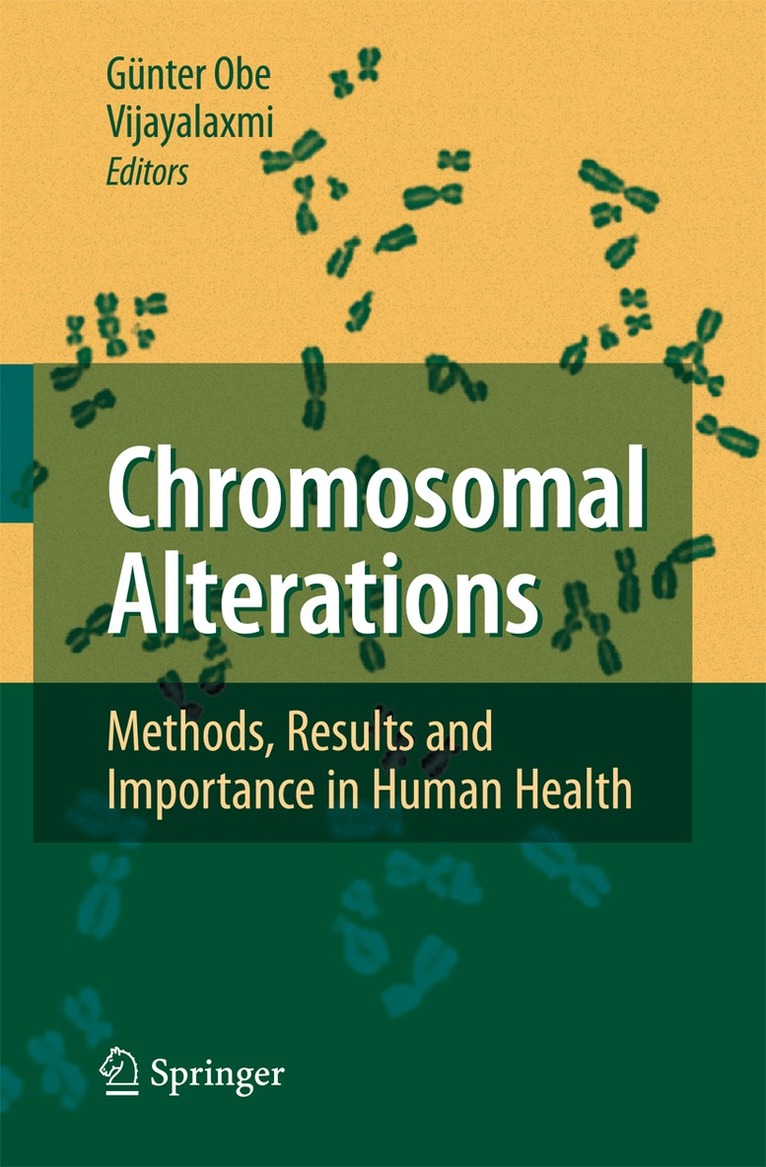
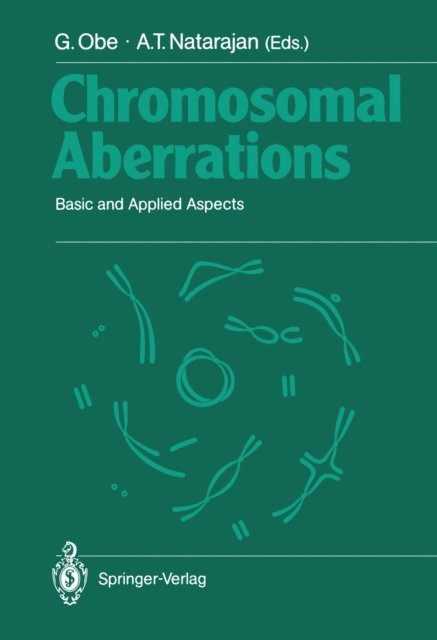
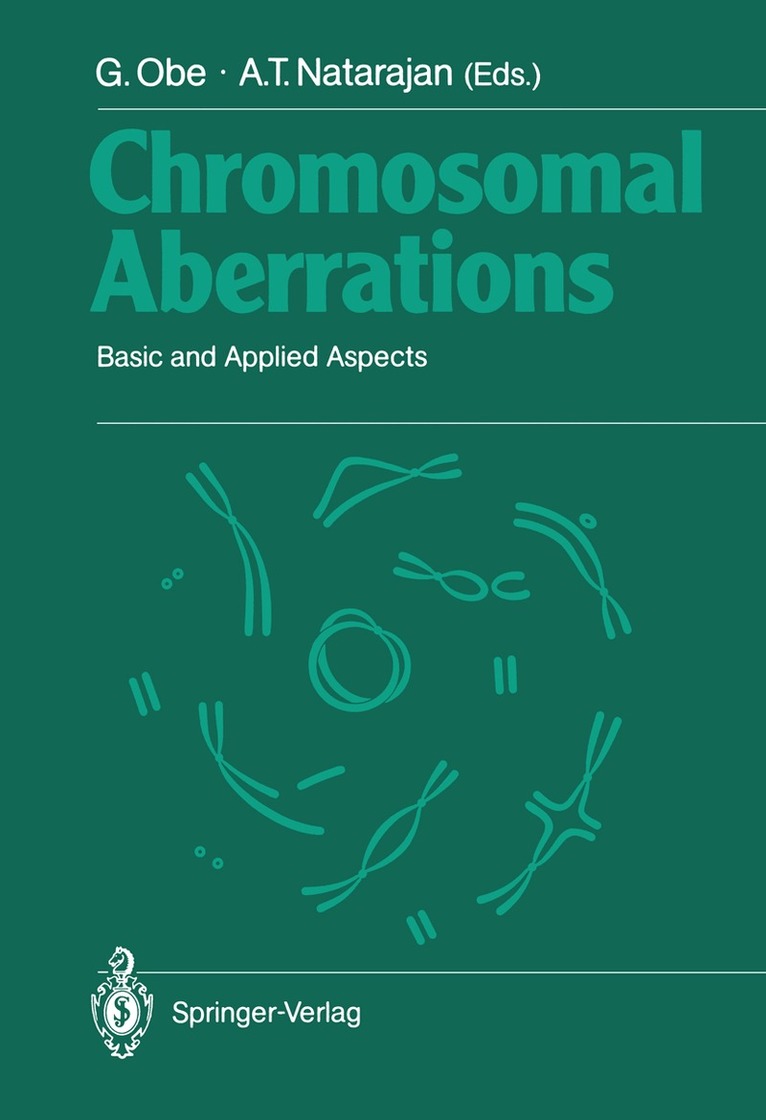
Due to sensitive molecular biological techniques, our understanding of chromosomal aberrations is steadily increasing. Provided here is a review of basic and applied aspects of the field. Chromosome structure, induction of DNA lesions by different clastogenic agents and their repair, induction of aberrations by agents which affect specific sequences in the DNA, and factors affecting induction and yield of chromosomal aberrations are covered. Further, topics such as automation of aberration scoring, problems associated with using chromosomal aberrations and micronuclei in population monitoring and the importance of chromosomal aberration assays in mutagenicity testing of chemicals are included.