Guntra A. Aistara - Böcker
Visar alla böcker från författaren Guntra A. Aistara. Handla med fri frakt och snabb leverans.
4 produkter
4 produkter
1 750 kr
Skickas inom 7-10 vardagar
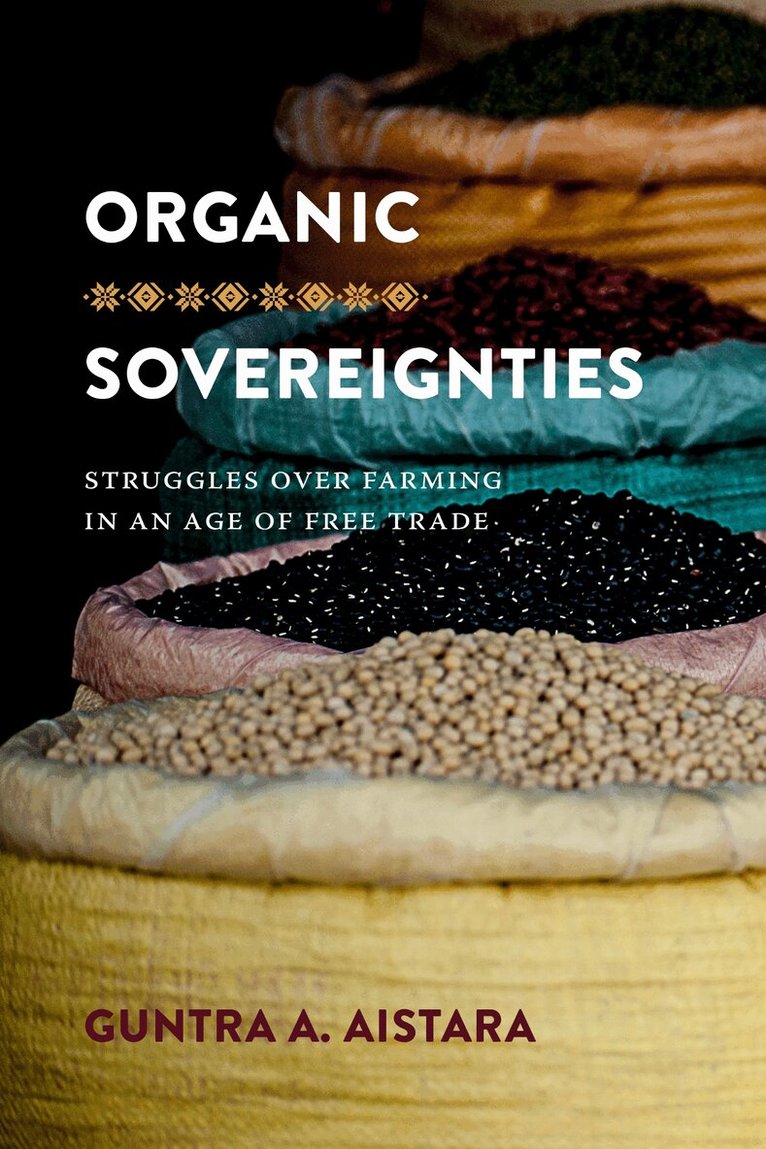
This first sustained ethnographic study of organic agriculture outside the United States traces its meanings, practices, and politics in two nations typically considered worlds apart: Latvia and Costa Rica. Situated on the frontiers of the European Union and the United States, these geopolitically and economically in-between places illustrate ways that international treaties have created contradictory pressures for organic farmers.Organic farmers in both countries build multispecies networks of biological and social diversity and create spaces of sovereignty within state and suprastate governance bodies. Organic associations in Central America and Eastern Europe face parallel challenges in balancing multiple identities as social movements, market sectors, and NGOs while finding their place in regions and nations reshaped by world events.
501 kr
Skickas inom 7-10 vardagar
This first sustained ethnographic study of organic agriculture outside the United States traces its meanings, practices, and politics in two nations typically considered worlds apart: Latvia and Costa Rica. Situated on the frontiers of the European Union and the United States, these geopolitically and economically in-between places illustrate ways that international treaties have created contradictory pressures for organic farmers.Organic farmers in both countries build multispecies networks of biological and social diversity and create spaces of sovereignty within state and suprastate governance bodies. Organic associations in Central America and Eastern Europe face parallel challenges in balancing multiple identities as social movements, market sectors, and NGOs while finding their place in regions and nations reshaped by world events.
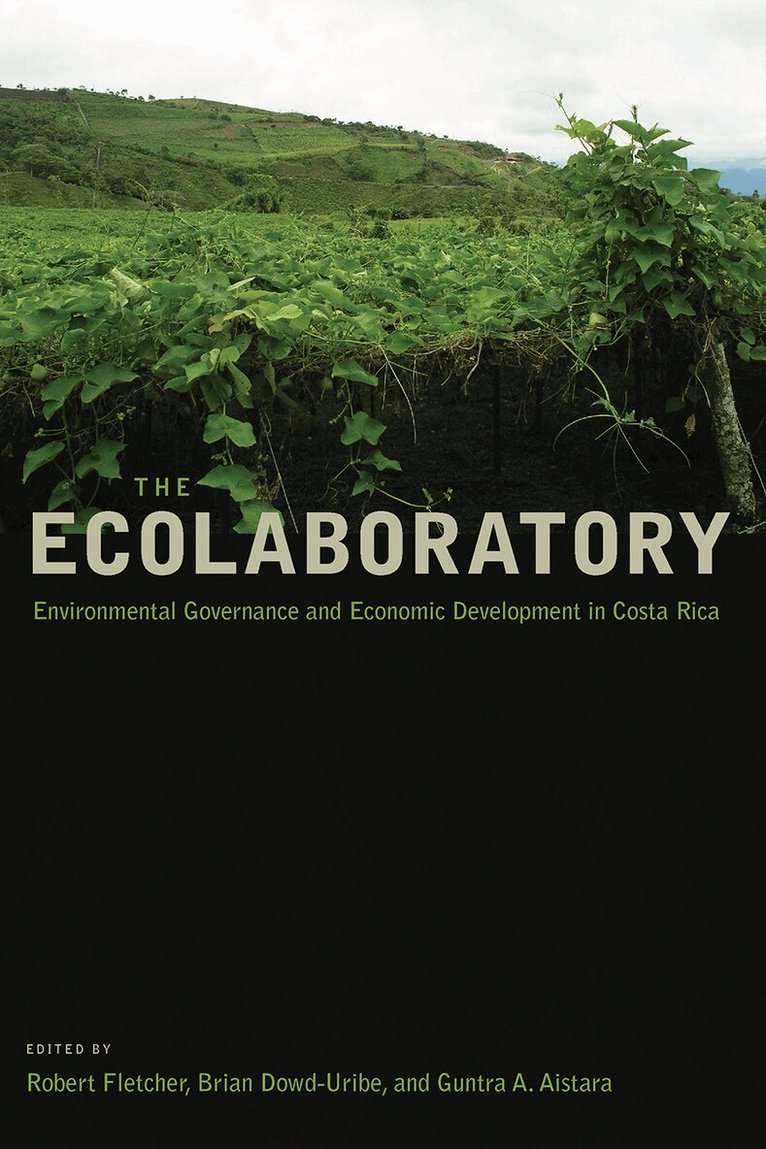
Ecolaboratory
Environmental Governance and Economic Development in Costa Rica
Inbunden, Engelska, 2020
768 kr
Skickas inom 7-10 vardagar
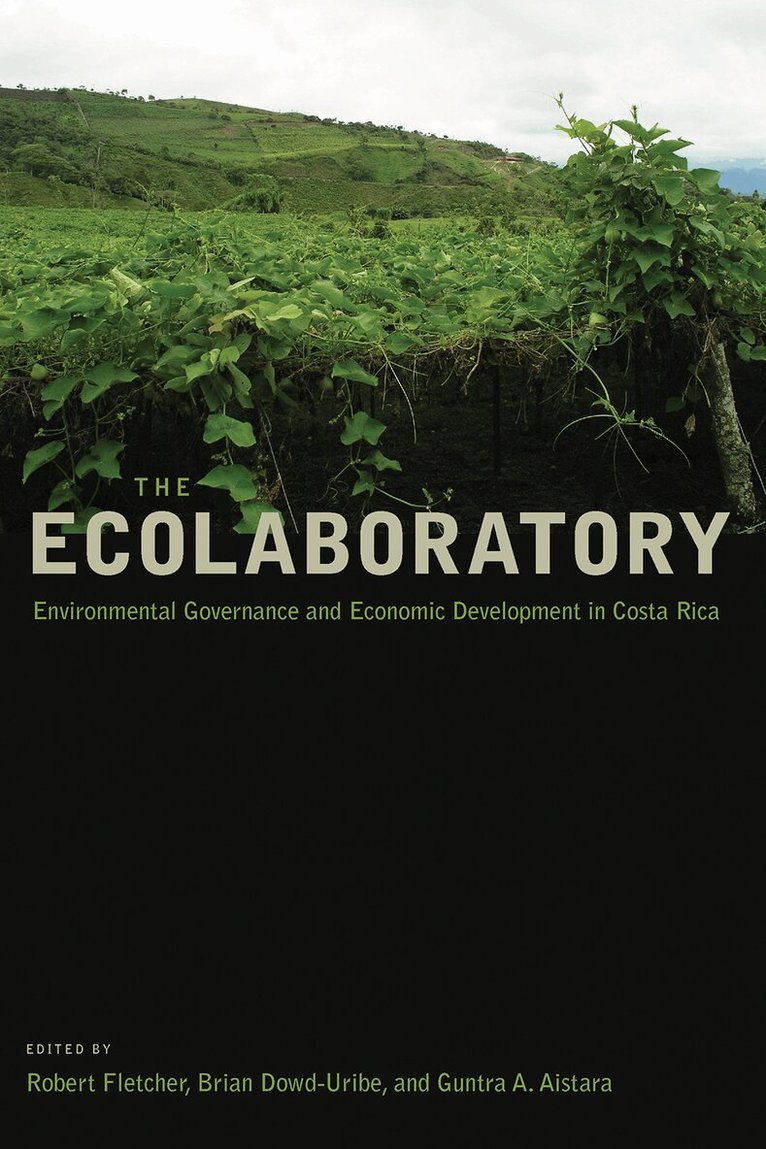
Despite its tiny size and seeming marginality to world affairs, the Central American republic of Costa Rica has long been considered an important site for experimentation in cutting-edge environmental policy. From protected area management to ecotourism to payment for environmental services (PES) and beyond, for the past half-century the country has successfully positioned itself at the forefront of novel trends in environmental governance and sustainable development. Yet the increasingly urgent dilemma of how to achieve equitable economic development in a world of ecosystem decline and climate change presents new challenges, testing Costa Rica's ability to remain a leader in innovative environmental governance.This book explores these challenges, how Costa Rica is responding to them, and the lessons this holds for current and future trends regarding environmental governance and sustainable development. It provides the first comprehensive assessment of successes and challenges as they play out in a variety of sectors, including agricultural development, biodiversity conservation, water management, resource extraction, and climate change policy.By framing Costa Rica as an 'ecolaboratory,' the contributors in this volume examine the lessons learned and offer a path for the future of sustainable development research and policy in Central America and beyond.
414 kr
Skickas inom 7-10 vardagar
Despite its tiny size and seeming marginality to world affairs, the Central American republic of Costa Rica has long been considered an important site for experimentation in cutting-edge environmental policy. From protected area management to ecotourism to payment for environmental services (PES) and beyond, for the past half-century the country has successfully positioned itself at the forefront of novel trends in environmental governance and sustainable development. Yet the increasingly urgent dilemma of how to achieve equitable economic development in a world of ecosystem decline and climate change presents new challenges, testing Costa Rica’s ability to remain a leader in innovative environmental governance.This book explores these challenges, how Costa Rica is responding to them, and the lessons this holds for current and future trends regarding environmental governance and sustainable development. It provides the first comprehensive assessment of successes and challenges as they play out in a variety of sectors, including agricultural development, biodiversity conservation, water management, resource extraction, and climate change policy.By framing Costa Rica as an “ecolaboratory,” the contributors in this volume examine the lessons learned and offer a path for the future of sustainable development research and policy in Central America and beyond.