Perhaps the most compelling gangster tale is one that has been, until now, surprisingly well hidden. This is the story of the Outfit: the secret organised crime cartel that began its reign in prohibition era Chicago before becoming the puppet master of Hollywood, Las Vegas and Washington DC. Moving with purpose and panache, the Outfit blended effortlessly with underworld corporate heads, Hollywood moguls, and national political icons. It was only after a fifty-year run that their world started to crumble in the 1970s. With extensive research including recently released FBI files, original interviews with Outfit associates and members of the Fourth Estate (who pursued the Outfit for over forty years) and first ever access to the journals of Humphreys' long-in-hiding widow, veteran investigative journalist Gus Russo uncovers sixty years of corruption and influence.
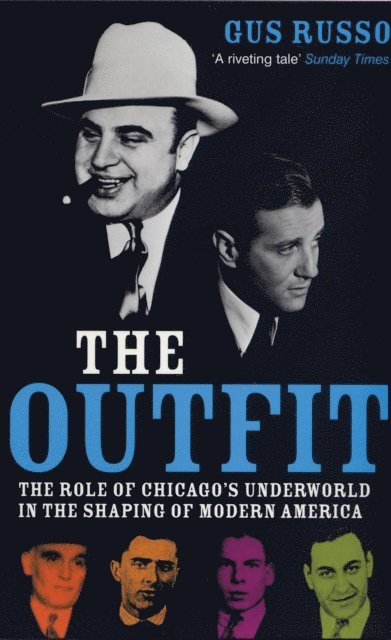
''Absolutely captivating! For a "Wiseguy" like me it was like going back to the neighbourhood for an education. I couldn''t put it down'' Henry Hill, inspiration for the film Goodfellas''Riveting ... and a plausible historical argument about the underworld being merely a lurid reflection of America''s "upperworld", which is rife with racketeering down to the tassels on a Wall Street broker''s loafers'' Sunday TimesThe thrilling never-before told story of the great Chicago crime family called The OutfitPerhaps the most compelling gangster tale is one that has been, until now, surprisingly well hidden.This is the story of the Outfit: the secret organised crime cartel that began its reign in prohibition era Chicago before becoming the puppet master of Hollywood, Las Vegas and Washington DC. Moving with purpose and panache, the Outfit blended effortlessly with underworld corporate heads, Hollywood moguls, and national political icons.It was only after a fifty-year run that their world started to crumble in the 1970s, and the fall was a long and painful one.With extensive research including recently released FBI files, original interviews with Outfit associates and members of the Fourth Estate (who pursued the Outfit for over forty years) and first ever access to the journals of Humphreys'' long-in-hiding widow, veteran investigative journalist Gus Russo uncovers sixty years of corruption and influence.
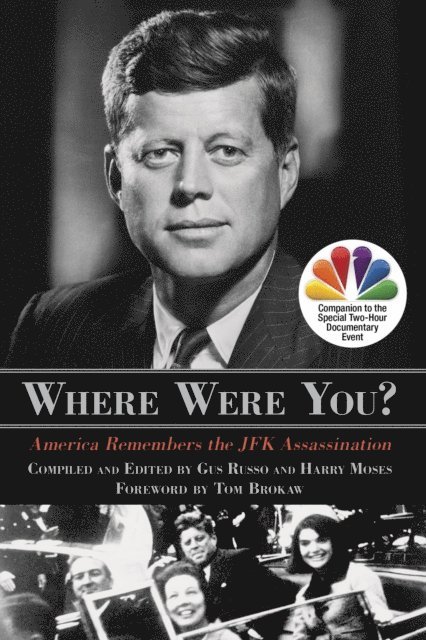
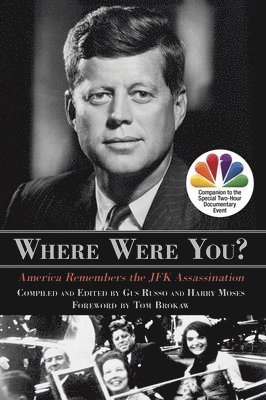
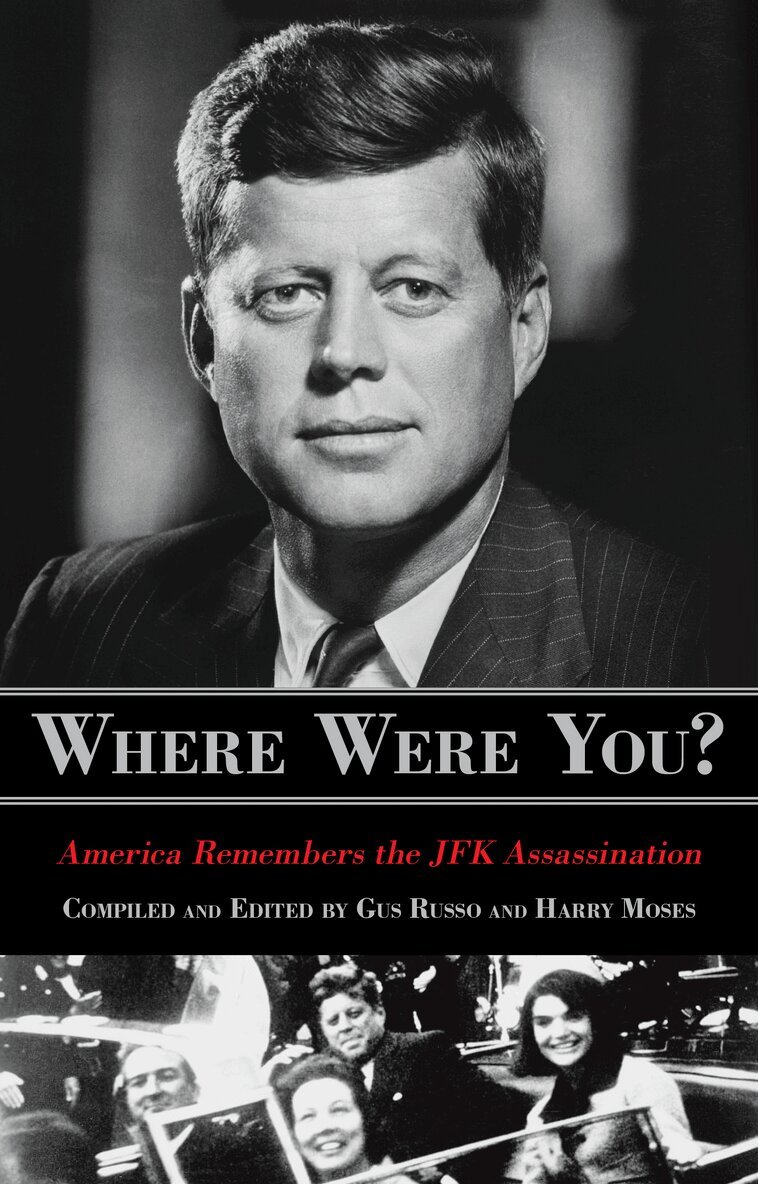
November 22, 1963. A policeman’s wife was fetching their sick child from school. A young shoe store manager had no idea what lay in wait for him that day. A future president was tending to his farm. A future vice president was standing on the steps of his college library. A Georgetown student was looking forward to playing the piano for the president when he returned to Washington, DC, that evening. A future movie star was attending his second-grade art class. Then the news rang out across airwaves, through telephone lines, and by word of mouth, plunging the country into shock and sorrow. It’s hard to imagine how the last fifty years would have unfolded if President John F. Kennedy had lived. Would Vietnam have dragged on until 1974? Would Nixon have come into power? It’s difficult to say—but, combining evocative archival images with the unique, first-person stories of those who lived through it, Where Were You? says what the history books can’t and offers a fresh look at what was, what is, and what might have been since that fateful day. In the two-hour NBC documentary event that this volume accompanies, special correspondent Tom Brokaw interviewed people close to the tragedy as well as former heads of state, politicians, authors, journalists, performers, musicians, and more. He asked them five simple questions, starting with: Where were you? Together, their words paint a rich and moving picture of a hopeful nation torn asunder by grief. It will remind those who lived it of a pivotal moment in American history, and it bears witness for all who follow.
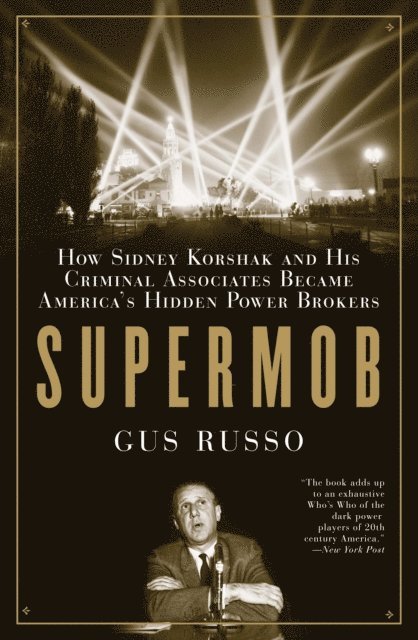
This is investigative reporter Gus Russo''s most explosive book yet, the remarkable story of the "Supermob"-a cadre of men who, over the course of decades, secretly influenced nearly every aspect of American society. Presenting startling revelations about such famous members as Jules Stein, Joe Glaser, Ronald Reagan, Lew Wasserman, and John Jacob Factor-as well as infamous, low-profile members-Russo pulls the lid off of a half-century of criminal infiltration into American business, politics, and society. At the heart of it all is Sidney "The Fixer" Korshak, who from the 1940s until his death in the 1990s was not only the most powerful lawyer in the world, according to the FBI, but the enigmatic player behind countless twentieth-century power mergers, political deals, and organized crime chicaneries.
November 22, 1963. A policeman's wife was fetching their sick child from school. A young shoe store manager had no idea what lay in wait for him that day. A future president was tending to his farm. A future vice president was standing on the steps of his college library. A Georgetown student was looking forward to playing the piano for the president when he returned to Washington, DC, that evening. A future movie star was attending his second-grade art class. Then the news rang out across airwaves, through telephone lines, and by word of mouth, plunging the country into shock and sorrow. It's hard to imagine how the last fifty years would have unfolded if President John F. Kennedy had lived. Would Vietnam have dragged on until 1974? Would Nixon have come into power? It's difficult to say—but, combining evocative archival images with the unique, first-person stories of those who lived through it, Where Were You? says what the history books can't and offers a fresh look at what was, what is, and what might have been since that fateful day. In the two-hour NBC documentary event that this volume accompanies, special correspondent Tom Brokaw interviewed people close to the tragedy as well as former heads of state, politicians, authors, journalists, performers, musicians, and more. He asked them five simple questions, starting with: Where were you? Together, their words paint a rich and moving picture of a hopeful nation torn asunder by grief. It will remind those who lived it of a pivotal moment in American history, and it bears witness for all who follow.
November 22, 1963. A policeman’s wife was fetching their sick child from school. A young shoe store manager had no idea what lay in wait for him that day. A future president was tending to his farm. A future vice president was standing on the steps of his college library. A Georgetown student was looking forward to playing the piano for the president when he returned to Washington, DC, that evening. A future movie star was attending his second-grade art class.Then the news rang out across airwaves, through telephone lines, and by word of mouth, plunging the country into shock and sorrow. It’s hard to imagine how the last fifty years would have unfolded if President John F. Kennedy had lived. Would Vietnam have dragged on until 1974? Would Nixon have come into power? It’s difficult to say—but, combining evocative archival images with the unique, first-person stories of those who lived through it, Where Were You? says what the history books can’t and offers a fresh look at what was, what is, and what might have been since that fateful day. In the two-hour NBC documentary event that this volume accompanies, special correspondent Tom Brokaw interviewed people close to the tragedy as well as former heads of state, politicians, authors, journalists, performers, musicians, and more. He asked them five simple questions, starting with: Where were you? Together, their words paint a rich and moving picture of a hopeful nation torn asunder by grief. It will remind those who lived it of a pivotal moment in American history, and it bears witness for all who follow.