Gustav Jakob Petersson - Böcker
Visar alla böcker från författaren Gustav Jakob Petersson. Handla med fri frakt och snabb leverans.
4 produkter
4 produkter
Artificial Intelligence and Evaluation
Emerging Technologies and Their Implications for Evaluation
Inbunden, Engelska, 2024
2 171 kr
Skickas inom 10-15 vardagar
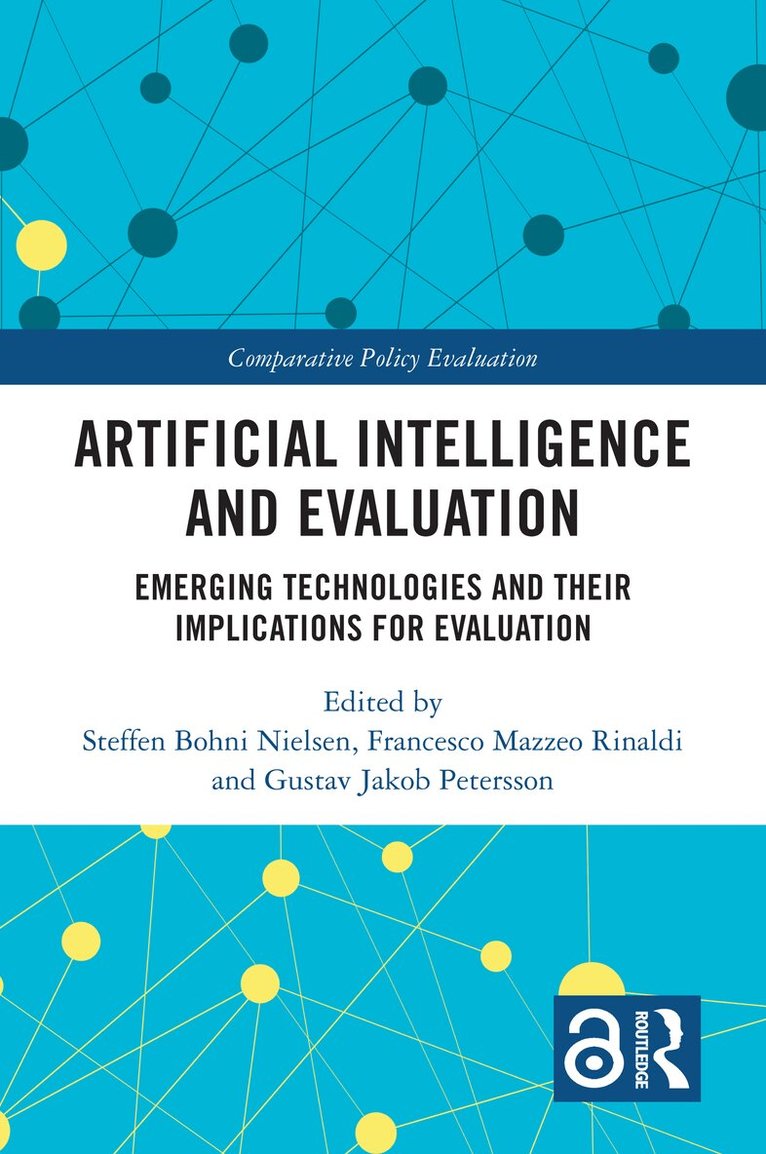
Artificial Intelligence and Evaluation: Emerging Technologies and Their Implications for Evaluation is a groundbreaking exploration of how the landscape of program evaluation will be redefined by artificial intelligence and other emerging digital technologies.In an era where digital technologies and artificial intelligence (AI) are rapidly evolving, this book presents a pivotal resource for evaluators navigating the transformative intersection of their practice and cutting-edge technology. Addressing the dual dimensions of how evaluations are conducted and what is evaluated, a roster of distinguished contributors illuminate the impact of AI on program evaluation methodologies. Offering a discerning overview of various digital technologies, their promises and perils, they carefully dissect the implications for evaluative processes and debate how evaluators must be equipped with the requisite skills to harness the full potential of AI tools. Further, the book includes a number of compelling use cases, demonstrating the tangible applications of AI in diverse evaluation scenarios. The use cases range from the application of GIS data to advanced text analytics. As such, this book provides evaluators with inspirational cases on how to apply AI in their practice as well as what pitfalls one must look out for.Artificial Intelligence and Evaluation is an indispensable guide for evaluators seeking to not only adapt to but thrive in the dynamic landscape of evaluation practices reshaped by the advent of artificial intelligence.The Open Access version of this book, available at http://www.taylorfrancis.com, has been made available under a Creative Commons Attribution-Non Commercial-No Derivatives 4.0 license.
Artificial Intelligence and Evaluation
Emerging Technologies and Their Implications for Evaluation
Häftad, Engelska, 2026
588 kr
Skickas inom 10-15 vardagar
Artificial Intelligence and Evaluation: Emerging Technologies and Their Implications for Evaluation is a groundbreaking exploration of how the landscape of program evaluation will be redefined by artificial intelligence and other emerging digital technologies.In an era where digital technologies and artificial intelligence (AI) are rapidly evolving, this book presents a pivotal resource for evaluators navigating the transformative intersection of their practice and cutting-edge technology. Addressing the dual dimensions of how evaluations are conducted and what is evaluated, a roster of distinguished contributors illuminate the impact of AI on program evaluation methodologies. Offering a discerning overview of various digital technologies, their promises and perils, they carefully dissect the implications for evaluative processes and debate how evaluators must be equipped with the requisite skills to harness the full potential of AI tools. Further, the book includes a number of compelling use cases, demonstrating the tangible applications of AI in diverse evaluation scenarios. The use cases range from the application of GIS data to advanced text analytics. As such, this book provides evaluators with inspirational cases on how to apply AI in their practice as well as what pitfalls one must look out for.Artificial Intelligence and Evaluation is an indispensable guide for evaluators seeking to not only adapt to but thrive in the dynamic landscape of evaluation practices reshaped by the advent of artificial intelligence.The Open Access version of this book, available at http://www.taylorfrancis.com, has been made available under a Creative Commons Attribution-Non Commercial-No Derivatives 4.0 license.
494 kr
Skickas inom 10-15 vardagar
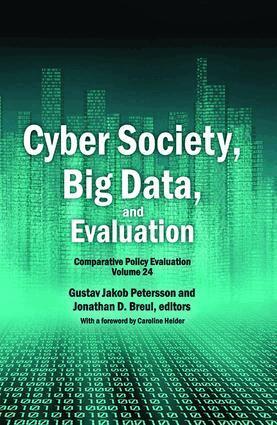
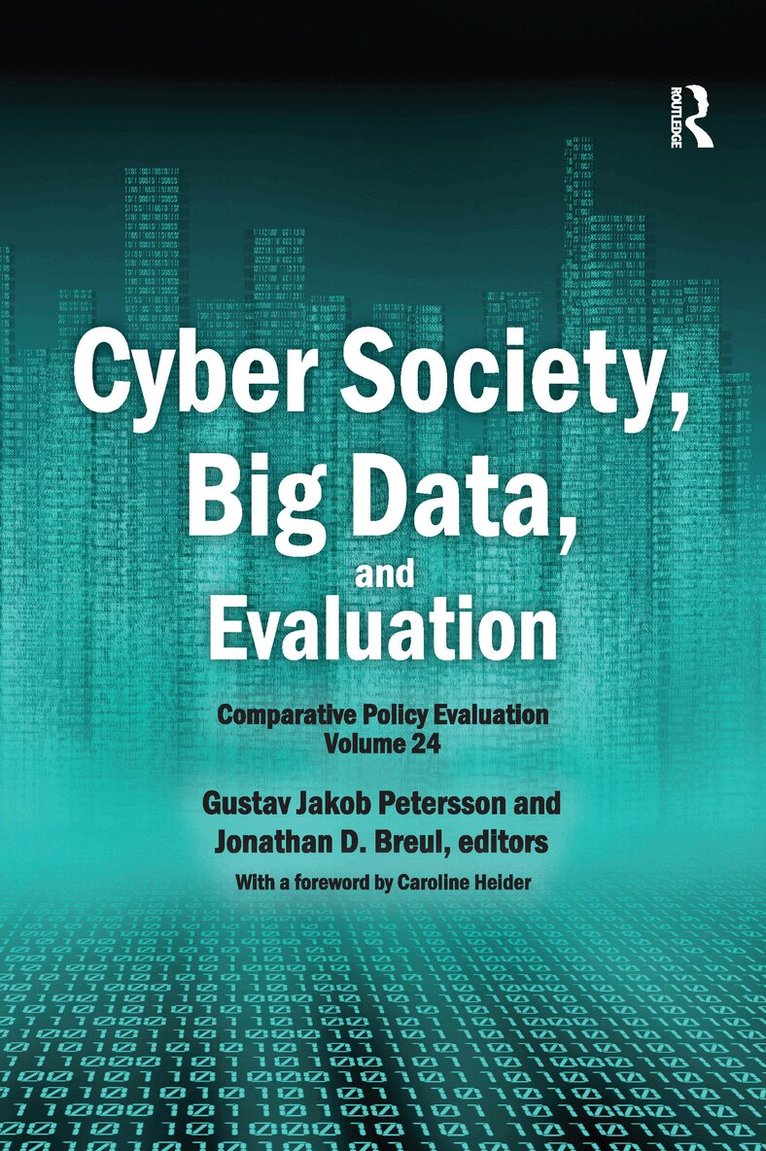
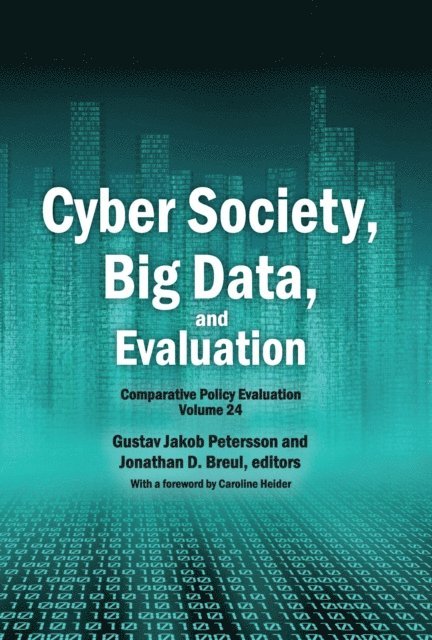
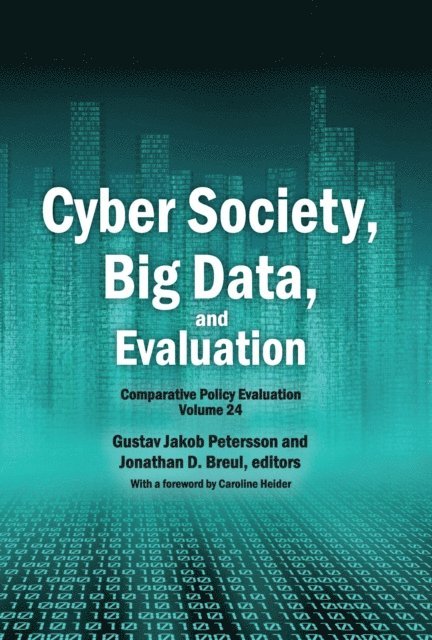
We are living in a cyber society. Mobile devices, social media, the Internet, crime cameras, and other diverse sources can be pulled together to form massive datasets, known as big data, which make it possible to learn things we could not begin to comprehend otherwise. While private companies are using this macroscopic tool, policy-makers and evaluators have been slower to adopt big data to make and evaluate public policy. Cyber Society, Big Data, and Evaluation shows ways big data is now being used in policy evaluation and discusses how it will transform the role of evaluators in the future. Arguing that big data will play a permanent and growing role in policy evaluation, especially since results may be delivered almost in real time, the contributors declare that the evaluation community must rise to the challenge or risk being marginalized. This volume suggests that evaluators must redefine their tools in relation to big data, obtain competencies necessary to work with it, and collaborate with professionals already experienced in using big data. By adding evaluators' expertise, for example, in theory- driven evaluation, using repositories, making value judgements, and applying findings, policy-makers and evaluators can come to make better-informed decisions and policies.
2 103 kr
Skickas inom 10-15 vardagar
We are living in a cyber society. Mobile devices, social media, the Internet, crime cameras, and other diverse sources can be pulled together to form massive datasets, known as big data, which make it possible to learn things we could not begin to comprehend otherwise. While private companies are using this macroscopic tool, policy-makers and evaluators have been slower to adopt big data to make and evaluate public policy. Cyber Society, Big Data, and Evaluation shows ways big data is now being used in policy evaluation and discusses how it will transform the role of evaluators in the future. Arguing that big data will play a permanent and growing role in policy evaluation, especially since results may be delivered almost in real time, the contributors declare that the evaluation community must rise to the challenge or risk being marginalized. This volume suggests that evaluators must redefine their tools in relation to big data, obtain competencies necessary to work with it, and collaborate with professionals already experienced in using big data. By adding evaluators' expertise, for example, in theory- driven evaluation, using repositories, making value judgements, and applying findings, policy-makers and evaluators can come to make better-informed decisions and policies.