Gustavo Esteva – författare
Visar alla böcker från författaren Gustavo Esteva. Handla med fri frakt och snabb leverans.
11 produkter
Gustavo Esteva
A Critique of Development and other essays
E-bok, 2022
866 kr
Lägg i varukorg
In his reflections on decolonization and post-development, Gustavo Esteva forged a unique synthesis of critical theory and political economy. This book presents more than half a century of "reflection in action" in the form of essays, books, and interventions in national and international forums …
Gustavo Esteva
A Critique of Development and other essays
E-bok, 2022
866 kr
Lägg i varukorg
In his reflections on decolonization and post-development, Gustavo Esteva forged a unique synthesis of critical theory and political economy. This book presents more than half a century of "reflection in action" in the form of essays, books, and interventions in national and international forums …
Gustavo Esteva
A Critique of Development and other essays
Inbunden, 2022
2744 kr
Lägg i varukorg
In his reflections on decolonization and post-development, Gustavo Esteva forged a unique synthesis of critical theory and political economy. This book presents more than half a century of "reflection in action" in the form of essays, books, and interventions in national and international forums …
Gustavo Esteva
A Critique of Development and other essays
Häftad, 2022
735 kr
Lägg i varukorg
In his reflections on decolonization and post-development, Gustavo Esteva forged a unique synthesis of critical theory and political economy. This book presents more than half a century of "reflection in action" in the form of essays, books, and interventions in national and international forums …
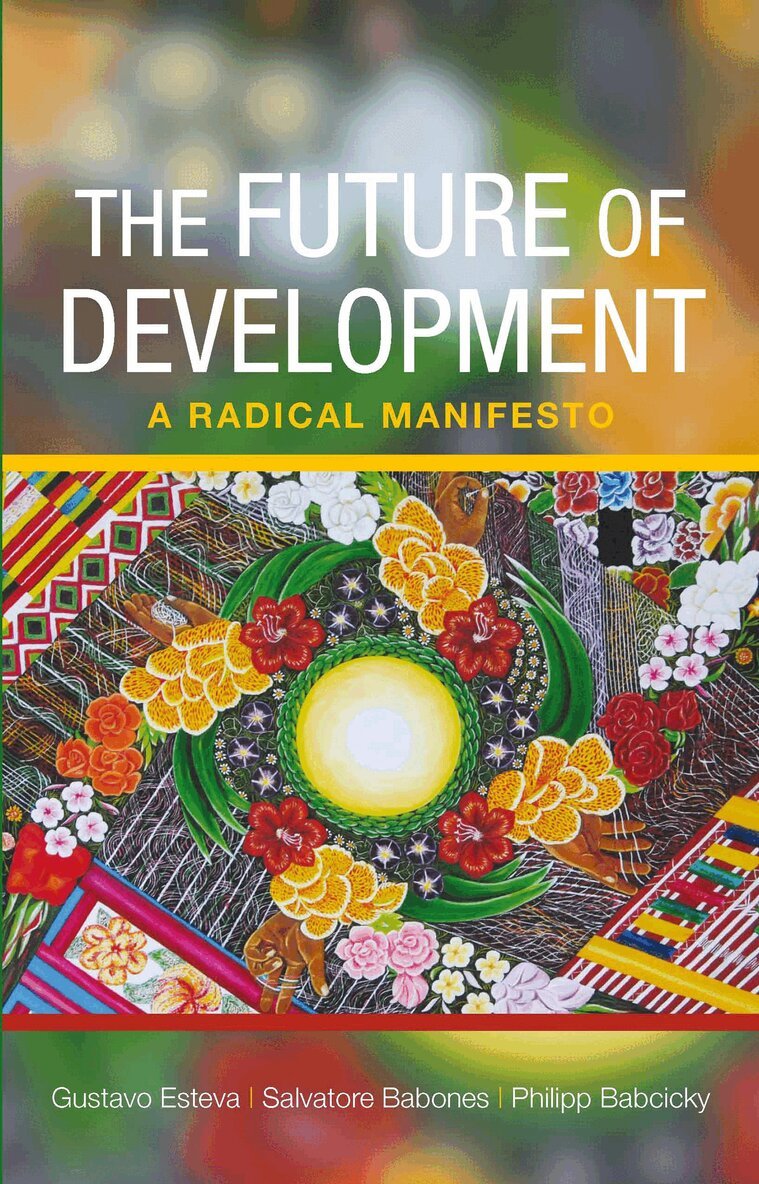
Future of Development
A Radical Manifesto
Av Gustavo Esteva, Salvatore J. Babones m. fl.
Häftad, 2013
343 kr
Lägg i varukorg
On January 20, 1949 US President Harry S. Truman officially opened the era of development. On that day, over one half of the people of the world were defined as "underdeveloped" and they have stayed that way ever since. This book explains the origins of development and underdevelopment and shows …
Future of Development
A Radical Manifesto
Av Gustavo Esteva, Salvatore J. Babones m. fl.
Inbunden, 2013
962 kr
Lägg i varukorg
On January 20, 1949 US President Harry S. Truman officially opened the era of development. On that day, over one half of the people of the world were defined as "underdeveloped" and they have stayed that way ever since. This book explains the origins of development and underdevelopment and shows …
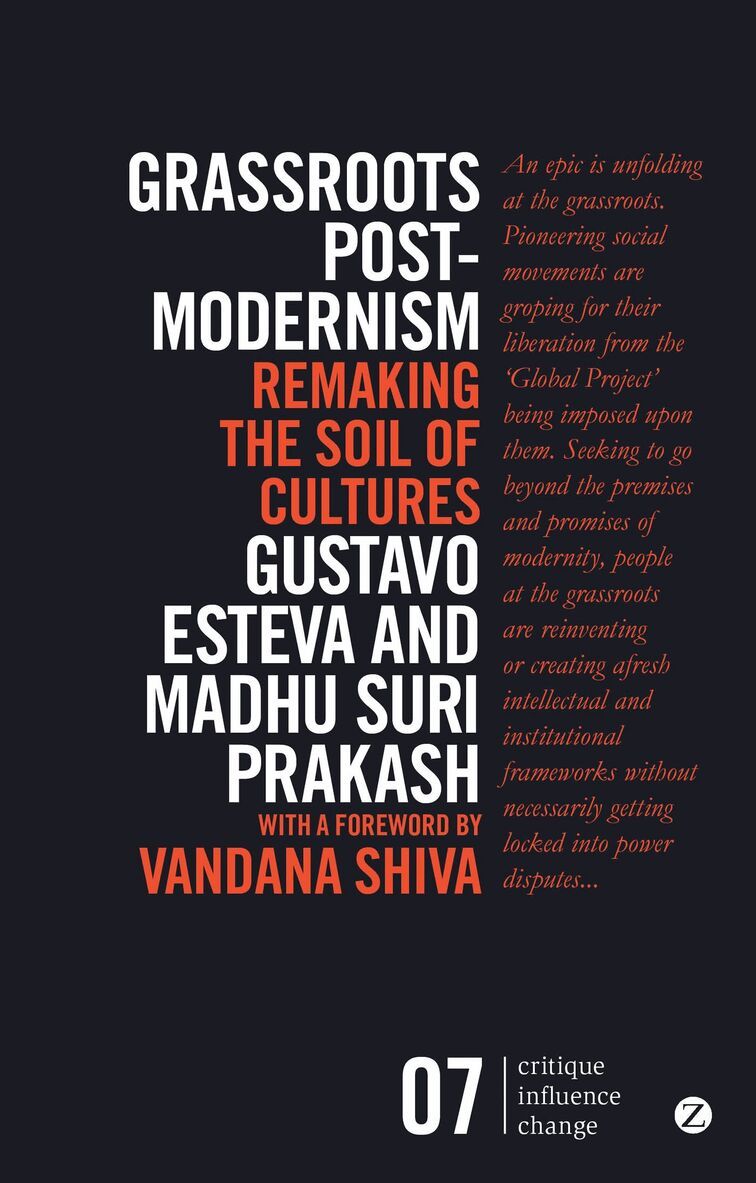
Grassroots Postmodernism
Remaking the Soil of Cultures
Av Gustavo Esteva, Madhu Suri Prakash
Häftad, 2014
191 kr
Lägg i varukorg
With the publication of this remarkable book in 1998, Gustavo Esteva and Madhu Suri Prakash instigated a complete epistemological rupture.Grassroots Post-modernism attacks the three sacred cows of modernity: global thinking, the universality of human rights and the self-sufficient individual. …
Grassroots Postmodernism
Remaking the Soil of Cultures
Av Gustavo Esteva, Madhu Suri Prakash
E-bok, 2014
203 kr
Lägg i varukorg
With the publication of this remarkable book in 1998, Gustavo Esteva and Madhu Suri Prakash instigated a complete epistemological rupture.Grassroots Post-modernism attacks the three sacred cows of modernity: global thinking, the universality of human rights and the self-sufficient individual. …
Zapatismo/EZLN. Antologías de la dignidad
Textos de 1994-2021
Av Diana Itzu Gutierrez Luna, Gustavo Esteva
E-bok, 2025
140 kr
Lägg i varukorg
"El levantamiento del Ejército Zapatista de Liberación Nacional cumplió 30 años en enero del 2024. Gustavo Esteva fue de los intelectuales mexicanos que desde 1994, hasta su muerte en marzo del 2022, acompañó al movimiento zapatista pensando a su lado, con ellxs y a partir de ellxs. Esteva …