Gustavo Gozzi - Böcker
Visar alla böcker från författaren Gustavo Gozzi. Handla med fri frakt och snabb leverans.
5 produkter
5 produkter
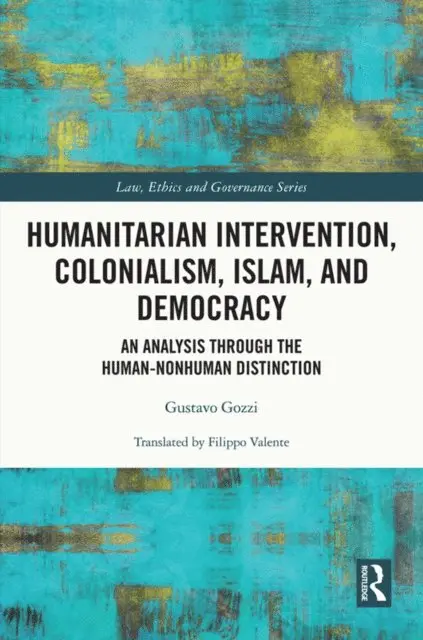
Humanitarian Intervention, Colonialism, Islam and Democracy
An Analysis through the Human-Nonhuman Distinction
Inbunden, Engelska, 2021
2 162 kr
Skickas inom 10-15 vardagar
This book offers a critical analysis of the European colonial heritage in the Arab countries and highlights the way this legacy is still with us today, informing the current state of relations between Europe and the formerly colonized states.The work analyses the fraught relationship between the Western powers and the Arab countries that have been subject to their colonial rule. It does so by looking at this relationship from two vantage points. On the one hand is that of humanitarian intervention—a paradigm under which colonial rule coexisted alongside “humanitarian” policies pursued on the dual assumption that the colonized were “barbarous” peoples who wanted to be civilized and that the West could lay a claim of superiority over an inferior humanity. On the other hand is the Arab view, from which the humanitarian paradigm does not hold up, and which accordingly offers its own insights into the processes through which the Arab countries have sought to wrest themselves from colonial rule. In unpacking this analysis the book traces a history of international and colonial law, to this end also using the tools offered by the history of political thought.The book will be of interest to students, academics, and researchers working in legal history, international law, international relations, the history of political thought, and colonial studies.
Humanitarian Intervention, Colonialism, Islam and Democracy
An Analysis through the Human-Nonhuman Distinction
Häftad, Engelska, 2023
591 kr
Skickas inom 10-15 vardagar
This book offers a critical analysis of the European colonial heritage in the Arab countries and highlights the way this legacy is still with us today, informing the current state of relations between Europe and the formerly colonized states.The work analyses the fraught relationship between the Western powers and the Arab countries that have been subject to their colonial rule. It does so by looking at this relationship from two vantage points. On the one hand is that of humanitarian intervention—a paradigm under which colonial rule coexisted alongside “humanitarian” policies pursued on the dual assumption that the colonized were “barbarous” peoples who wanted to be civilized and that the West could lay a claim of superiority over an inferior humanity. On the other hand is the Arab view, from which the humanitarian paradigm does not hold up, and which accordingly offers its own insights into the processes through which the Arab countries have sought to wrest themselves from colonial rule. In unpacking this analysis the book traces a history of international and colonial law, to this end also using the tools offered by the history of political thought.The book will be of interest to students, academics, and researchers working in legal history, international law, international relations, the history of political thought, and colonial studies.
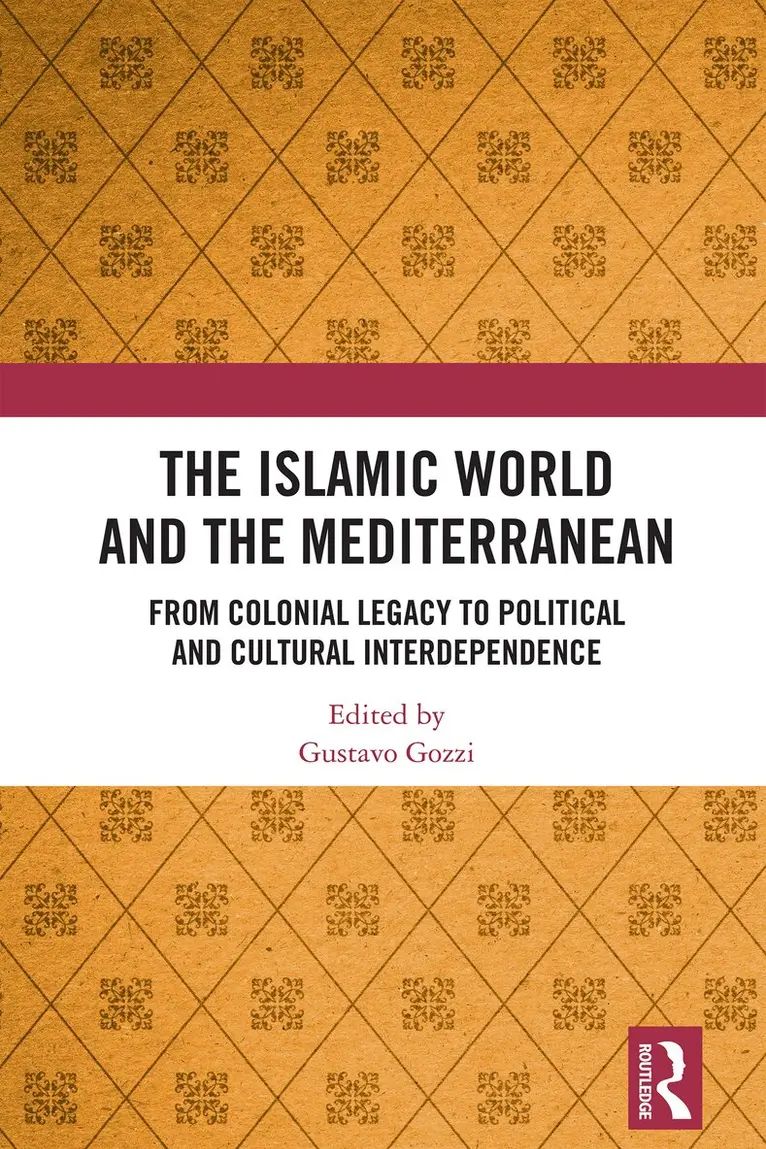
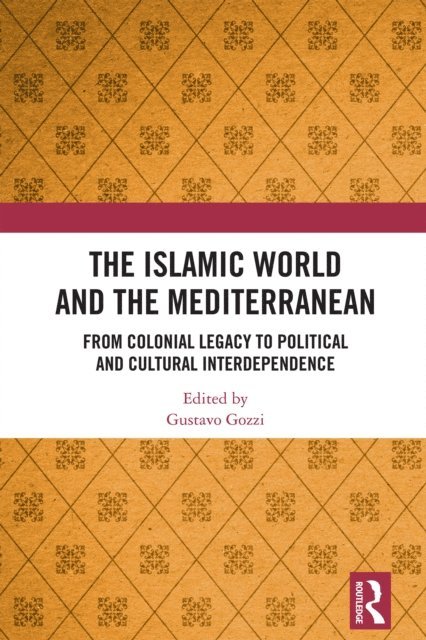
Islamic World and the Mediterranean
From Colonial Legacy to Political and Cultural Interdependence
Inbunden, Engelska, 2025
2 100 kr
Skickas inom 10-15 vardagar
This collection investigates the conflictual relationship between the Islamic world and Western civilization, looking at its history as key to understanding its present. The historical narrative starts from the controversial encounter that took place at the close of the 18th century, the effort being to improve our understanding of that engagement and its current implications, focusing in particular on how it has affected law, philosophy, and religion. The subsequent age of 19th-century colonialism is analysed with a view to understanding the currents of mutual influence that throughout that era ran between Islam and the Western world, looking at the law and the institutions, as well as at different strains in the culture. This discussion provides the backdrop against which the book turns a critical eye on current Euro-Mediterranean relations, highlighting the need to move beyond the conditionality principle that has traditionally been a cornerstone of European policy toward Arab Muslim peoples and to set this relationship on a new foundation, one that recognizes the interdependency between these two areas, making it possible to open up a Mediterranean space of mutual recognition among all its peoples. The book will be of interest to researchers and academics working in the areas of legal and political history, comparative law, legal philosophy, law and religion, and Islamic studies.
507 kr
Skickas inom 7-10 vardagar
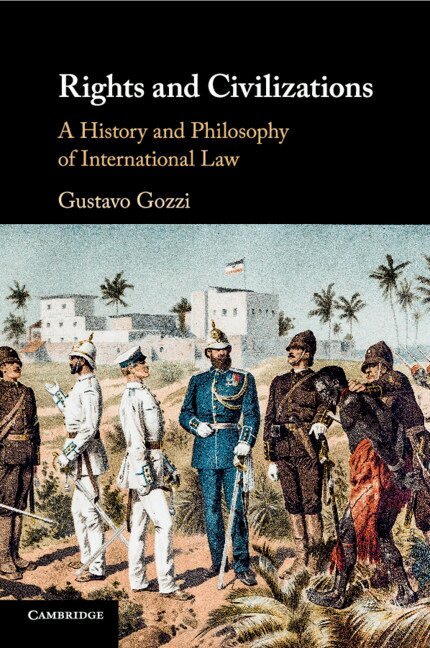
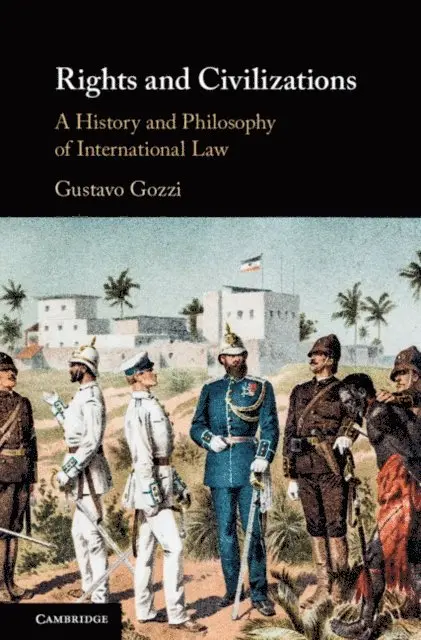
Rights and Civilizations, translated from the Italian original, traces a history of international law to illustrate the origins of the Western colonial project and its attempts to civilize the non-European world. The book, ranging from the sixteenth century to the twenty-first, explains how the West sought to justify its own colonial conquests through an ideology that revolved around the idea of its own assumed superiority, variously attributed to Christian peoples (in the early modern age), Western 'civil' peoples (in the nineteenth century), and 'developed' peoples (at the beginning of the twentieth century), and now to democratic Western peoples. In outlining this history and discourse, the book shows that, while the Western conception may style itself as universal, it is in fact relative. This comes out by bringing the Western civilization into comparison with others, mainly the Islamic one, suggesting the need for an 'intercivilizational' approach to international law.
1 521 kr
Skickas inom 7-10 vardagar
Rights and Civilizations, translated from the Italian original, traces a history of international law to illustrate the origins of the Western colonial project and its attempts to civilize the non-European world. The book, ranging from the sixteenth century to the twenty-first, explains how the West sought to justify its own colonial conquests through an ideology that revolved around the idea of its own assumed superiority, variously attributed to Christian peoples (in the early modern age), Western 'civil' peoples (in the nineteenth century), and 'developed' peoples (at the beginning of the twentieth century), and now to democratic Western peoples. In outlining this history and discourse, the book shows that, while the Western conception may style itself as universal, it is in fact relative. This comes out by bringing the Western civilization into comparison with others, mainly the Islamic one, suggesting the need for an 'intercivilizational' approach to international law.