Guy Davidov – författare
Visar alla böcker från författaren Guy Davidov. Handla med fri frakt och snabb leverans.
11 produkter
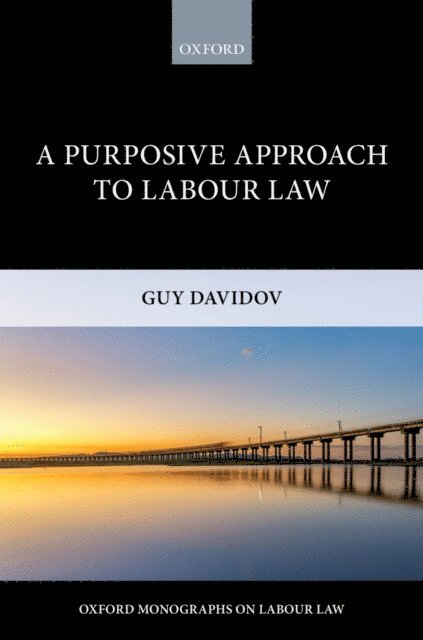
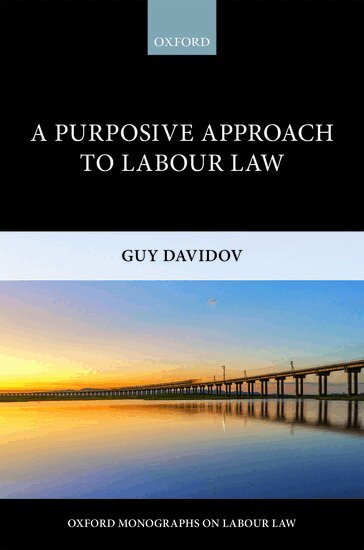
Purposive Approach to Labour Law
Av Guy Davidov
E-bok, 2016
607 kr
Lägg i varukorg
The mismatch between goals and means is a major cause of crisis in labour law. The regulations that we use - the legal instruments and techniques - are no longer in sync with the goals they are supposed to advance. This mismatch leads to a problem of coverage, where many workers who need the …
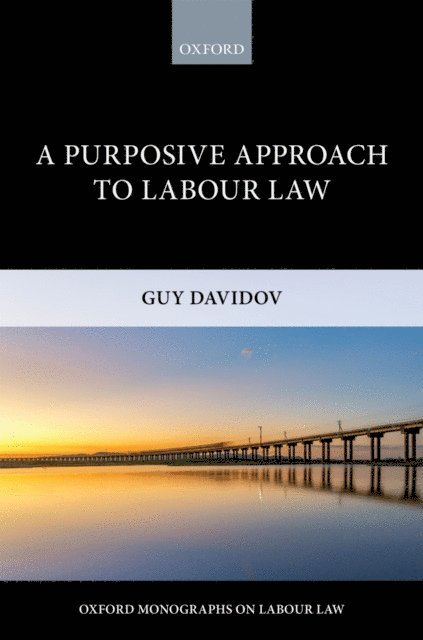
Purposive Approach to Labour Law
Av Guy Davidov
E-bok, 2016
607 kr
Lägg i varukorg
The mismatch between goals and means is a major cause of crisis in labour law. The regulations that we use - the legal instruments and techniques - are no longer in sync with the goals they are supposed to advance. This mismatch leads to a problem of coverage, where many workers who need the …
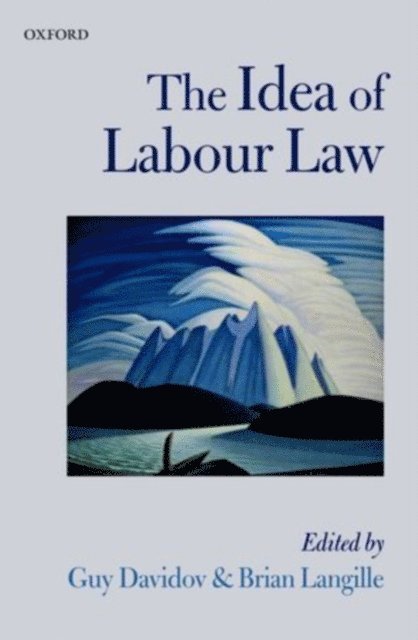
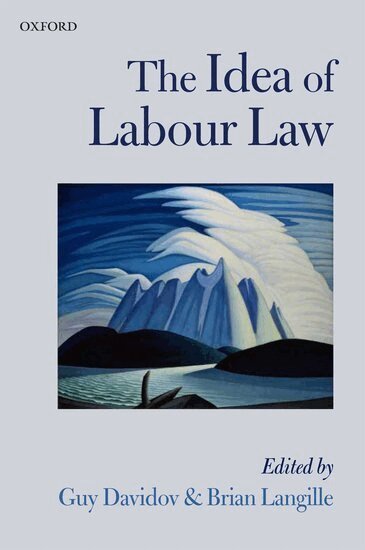
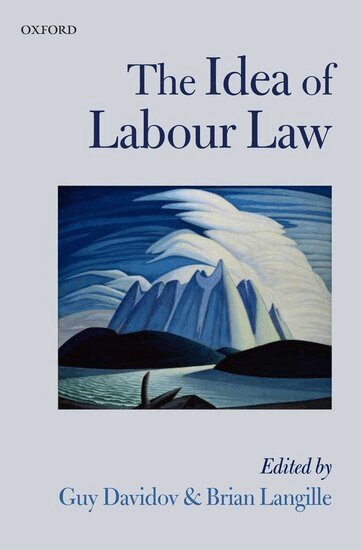
Idea of Labour Law
Av Brian Langille, Guy Davidov
E-bok, 2011
524 kr
Lägg i varukorg
Labour law is widely considered to be in crisis by scholars of the field. This crisis has an obvious external dimension - labour law is attacked for impeding efficiency, flexibility, and development; vilified for reducing employment and for favouring already well placed employees over less …
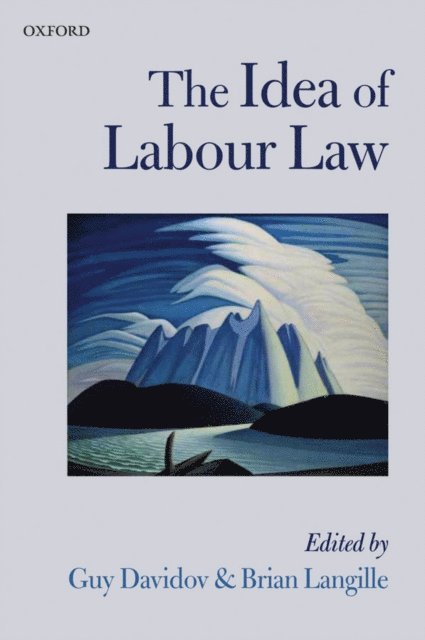
Idea of Labour Law
Av Brian Langille, Guy Davidov
E-bok, 2013
524 kr
Lägg i varukorg
Labour law is widely considered to be in crisis by scholars of the field. This crisis has an obvious external dimension - labour law is attacked for impeding efficiency, flexibility, and development; vilified for reducing employment and for favouring already well placed employees over less …
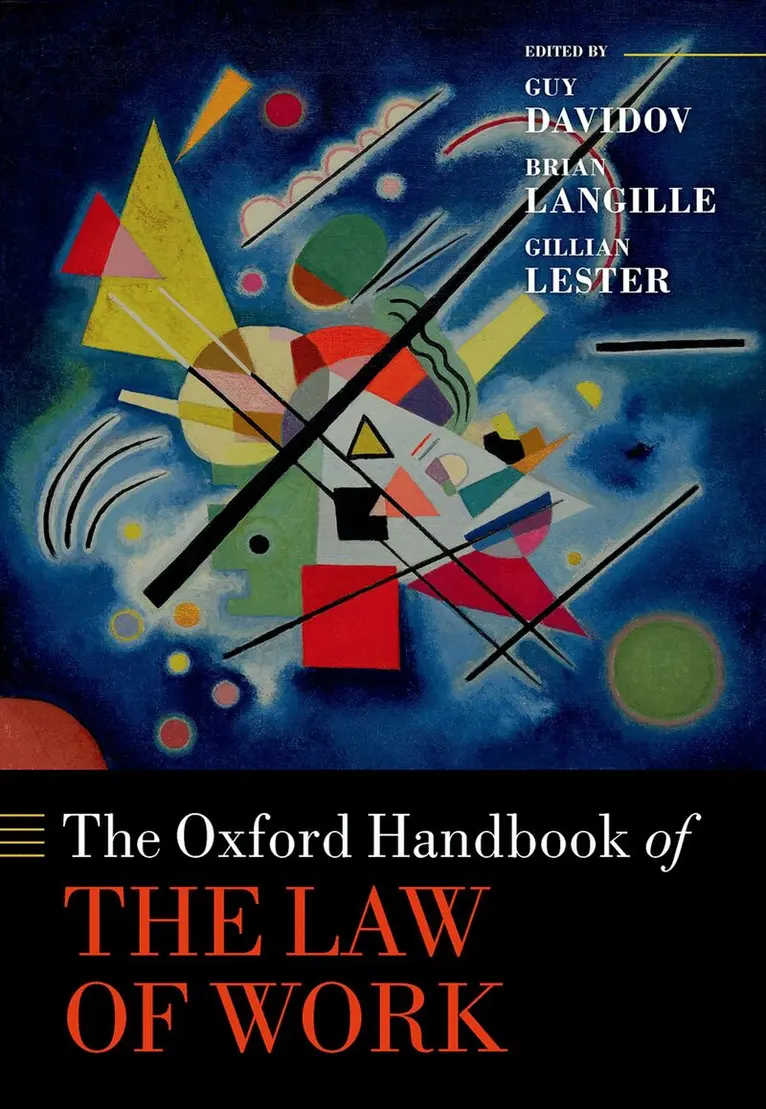
The Oxford Handbook of the Law of Work
Av Guy Davidov, Brian Langille
Inbunden, 2024
2293 kr
Lägg i varukorg
At the core of all societies and economies are human beings deploying their energies and talents in productive activities - that is, at work. The law governing human productive activity is a large part of what determines outcomes in terms of social justice, material wellbeing, and the …
A Purposive Approach to Labour Law
Av Guy Davidov
Inbunden, 2016
1994 kr
Lägg i varukorg
The mismatch between goals and means is a major cause of crisis in labour law. The regulations that we use - the legal instruments and techniques - are no longer in sync with the goals they are supposed to advance. This mismatch leads to a problem of coverage, where many workers who need the …
A Purposive Approach to Labour Law
Av Guy Davidov
Häftad, 2018
689 kr
Lägg i varukorg
The mismatch between goals and means is a major cause of crisis in labour law. The regulations that we use - the legal instruments and techniques - are no longer in sync with the goals they are supposed to advance. This mismatch leads to a problem of coverage, where many workers who need the …
The Idea of Labour Law
Av Guy Davidov, Brian Langille
Häftad, 2012
778 kr
Lägg i varukorg
Labour law is widely considered to be in crisis by scholars of the field. This crisis has an obvious external dimension - labour law is attacked for impeding efficiency, flexibility, and development; vilified for reducing employment and for favouring already well placed employees over less …
The Idea of Labour Law
Av Guy Davidov, Brian Langille
Inbunden, 2011
2543 kr
Lägg i varukorg
Labour law is widely considered to be in crisis by scholars of the field. This crisis has an obvious external dimension - labour law is attacked for impeding efficiency, flexibility, and development; vilified for reducing employment and for favouring already well placed employees over less …
Boundaries and Frontiers of Labour Law
Goals and Means in the Regulation of Work
Av Guy Davidov, Brian Langille
Inbunden, 2006
1302 kr
Lägg i varukorg
Labour law has always been preoccupied with boundaries. One can either be an 'employee' or not, an 'employer' or not, and the answer dictates who comes within the scope of labour law, for better or worse. But such divisions have always been difficult, and in recent years their shortcomings have …
Boundaries and Frontiers of Labour Law
Goals and Means in the Regulation of Work
Av Guy Davidov, Brian Langille
E-bok, 2006
1434 kr
Lägg i varukorg
Labour law has always been preoccupied with boundaries. One can either be an ''employee'' or not, an ''employer'' or not, and the answer dictates who comes within the scope of labour law, for better or worse. But such divisions have always been difficult, and in recent years their shortcomings have …