Gwynne Dyer – författare
Visar alla böcker från författaren Gwynne Dyer. Handla med fri frakt och snabb leverans.
12 produkter
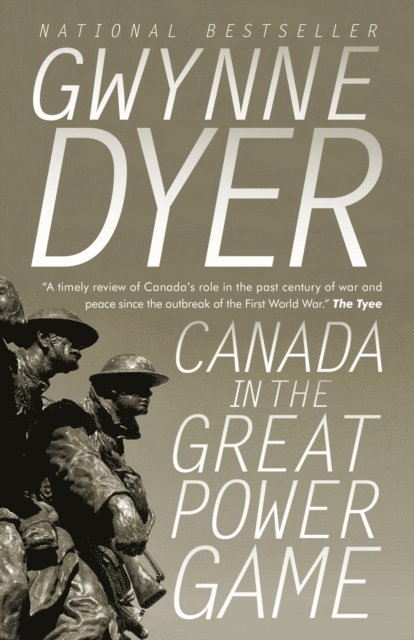
Canada in the Great Power Game 1914-2014
Av Gwynne Dyer
E-bok, 2014
280 kr
Lägg i varukorg
Canada in the Great Power Game 1914-2014 is a serious contemplation of what it means to engage in major world conflicts, and the price we pay when we do. The First World War was Canada''s baptism of fire, or at least the only one that people now remember. (Montrealers in 1776 or Torontonians in …
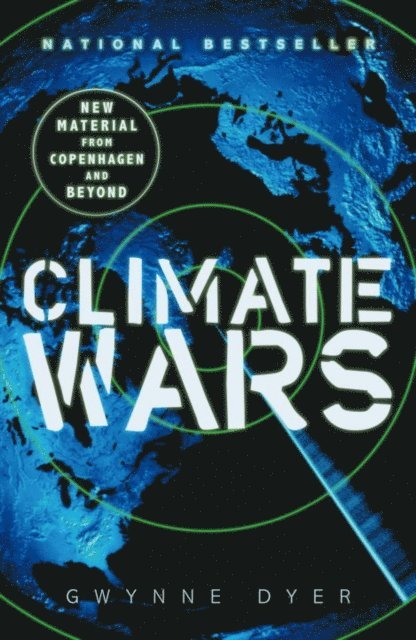
Climate Wars
How Peak Oil and the Climate Crisis Will Change Canada (and Our Lives)
Av Gwynne Dyer
E-bok, 2009
5,0 utav 5 stjärnor. Totalt antal röster: (1)
215 kr
Lägg i varukorg
From one of the world’s great geopolitical analysts, a terrifying glimpse of the none-too-distant future, when climate change will force the world’s powers into a desperate struggle for advantage and even survival. Dwindling resources. Massive population shifts. Natural disasters. Spreading …
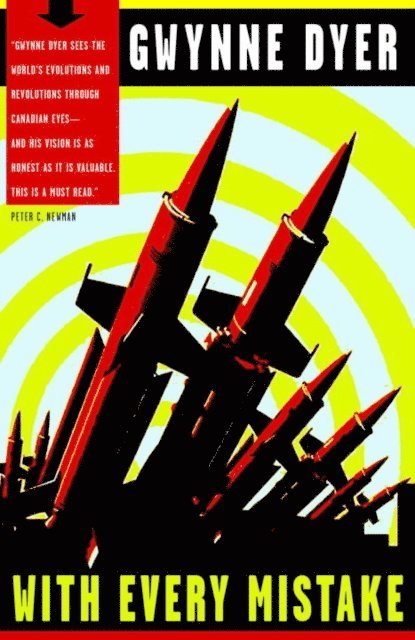
With Every Mistake
Av Gwynne Dyer
E-bok, 2010
225 kr
Lägg i varukorg
This essential collection contains the best of Gwynne Dyer’s writing on the post–September 11 world. Since 1973, writer, historian and filmmaker Gwynne Dyer has written a widely syndicated newspaper column on international affairs, regularly published in 45 countries. With Every Mistake is not only …
Don't Panic
ISIS, Terror and Today''s Middle East
Av Gwynne Dyer
E-bok, 2015
229 kr
Lägg i varukorg
It took a quarter-century of bad strategy, including more than a dozen years of Western air attacks and invasions in the Middle East, to bring the so-called "Islamic State" into existence. Can we somehow manage to avoid the well-trodden path of overreacting to the provocations of Islamist …
Shortest History of War
From Hunter-Gatherers to Nuclear Superpowers - A Retelling for Our Times
Av Gwynne Dyer
Häftad, 2022
129 kr
Lägg i varukorg
War has changed, but we have not. From our hunter-gatherer ancestors to the rival nuclear powers of today, whenever resources have been contested, we’ve gone to battle. Acclaimed historian Gwynne Dyer illuminates our many martial clashes in this brisk account, tracing warfare from prehistory to the …
Climate Wars
The Fight for Survival as the World Overheats
Av Gwynne Dyer
E-bok, 2010
106 kr
Lägg i varukorg
An essential, terryfying, and insightful analysis of a world plunging into crisis arrives in mass market paperback Dwindling resources. Massive population shifts. Natural disasters. Any of the expected consequences of climate change could - as Gwyne Dyer argues - tip the world towards chaos and …
Shortest History Of War
Av Gwynne Dyer
Inbunden, 2021
5,0 utav 5 stjärnor. Totalt antal röster: (1)
155 kr
Lägg i varukorg
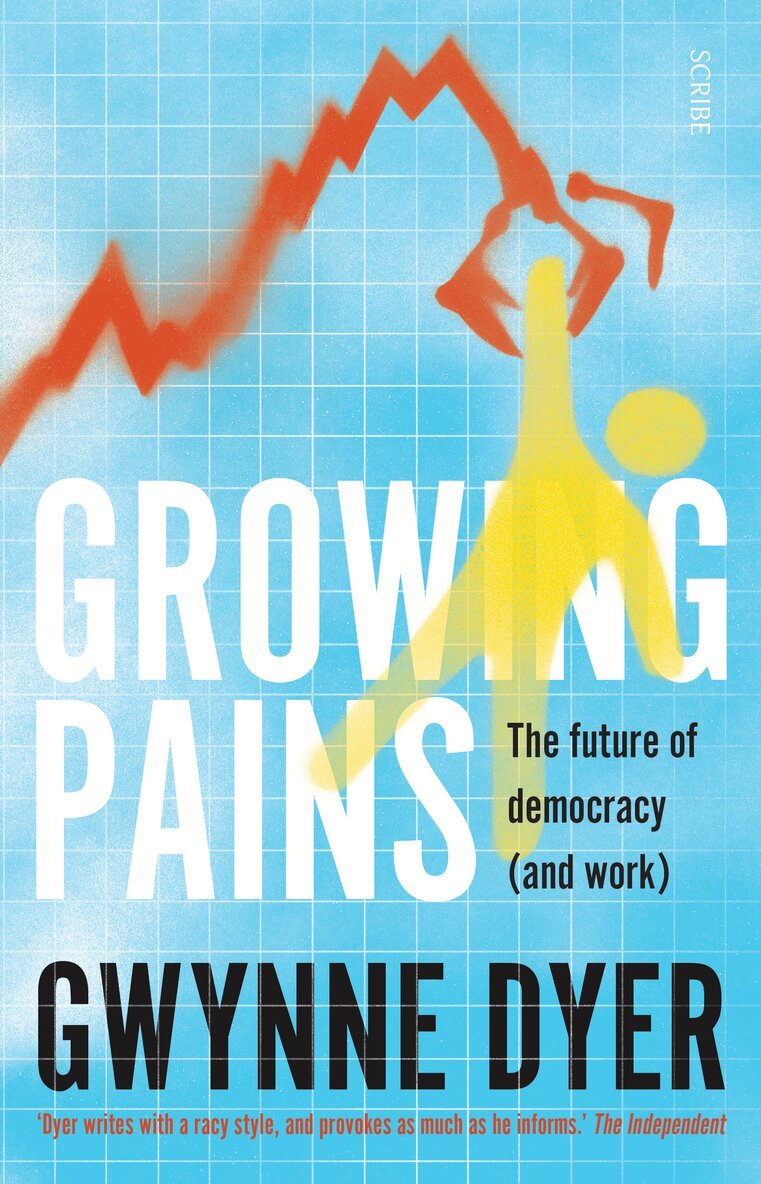
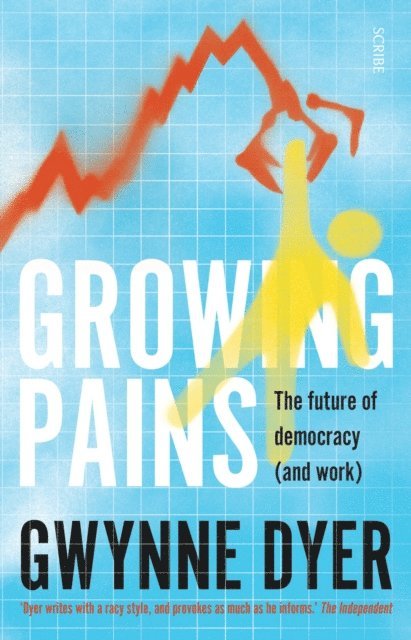
Growing Pains
the future of democracy (and work)
Av Gwynne Dyer
Häftad, 2018
152 kr
Lägg i varukorg
We are now living in a world where Brexit and Trump are daily realities. But how did this come about? And what does it mean for the future?Populism and ultra-nationalism brought about the rise of Hitler and Mussolini in the 1930s. Now, as Trump sits in the White House, Britain negotiates its way …
Growing Pains
the future of democracy (and work)
Av Gwynne Dyer
E-bok, 2018
225 kr
Lägg i varukorg
We are now living in a world where Brexit and Trump are daily realities. But how did this come about? And what does it mean for the future? Populism and ultra-nationalism brought about the rise of Hitler and Mussolini in the 1930s. Now, as Trump sits in the White House, Britain negotiates its way …