Gwynne Lewis – författare
Visar alla böcker från författaren Gwynne Lewis. Handla med fri frakt och snabb leverans.
10 produkter
The Advent of Modern Capitalism in France 1770-1840
The Contribution of Pierre-François Tubeuf
Av Gwynne Lewis
Inbunden, 1993
3366 kr
Lägg i varukorg
Drawing upon a wealth of documentation, Gwynne Lewis's story of one of the most dynamic entrepreneurs in modern French history examines Pierre-François Tubeuf's contribution to the development of industry in France. Professor Lewis explores the relationship between seigneurial, proto-industrial, …
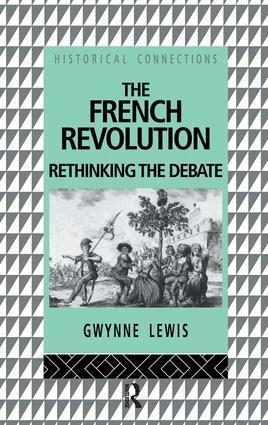
French Revolution
Rethinking the Debate
Av Gwynne Lewis
Häftad, 1993
667 kr
Lägg i varukorg
First Published in 2004. Historical Connections is a new series of short books on important historical topics and debates, written primarily for those studying and teaching history. The books will offer original and challenging works of synthesis that will make new themes accessible, or old themes …
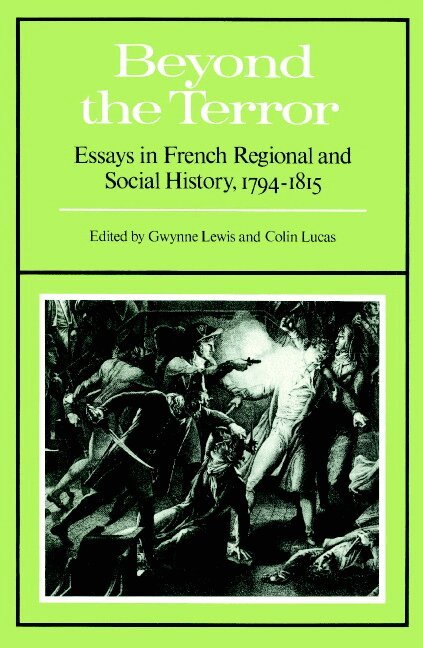
Beyond the Terror
Essays in French Regional and Social History 1794-1815
Häftad, 2003
586 kr
Lägg i varukorg
Richard Cobb is one of the most active and influential English historians of France. During a long career of research and writing, his interest has ranged from the Revolution to Vichy. He is especially renowned for his seminal work on the popular movement and on popular attitudes and preoccupations …
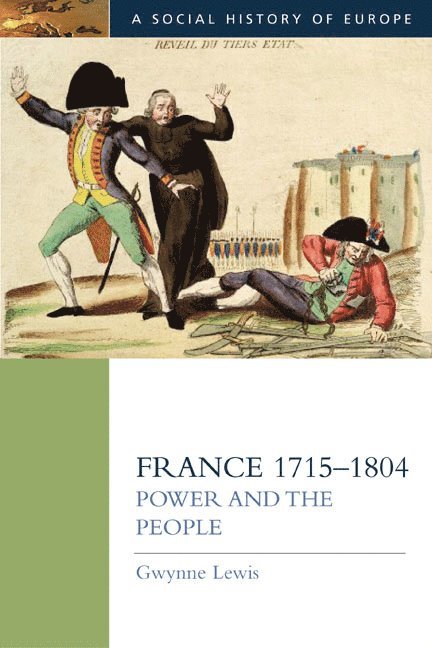
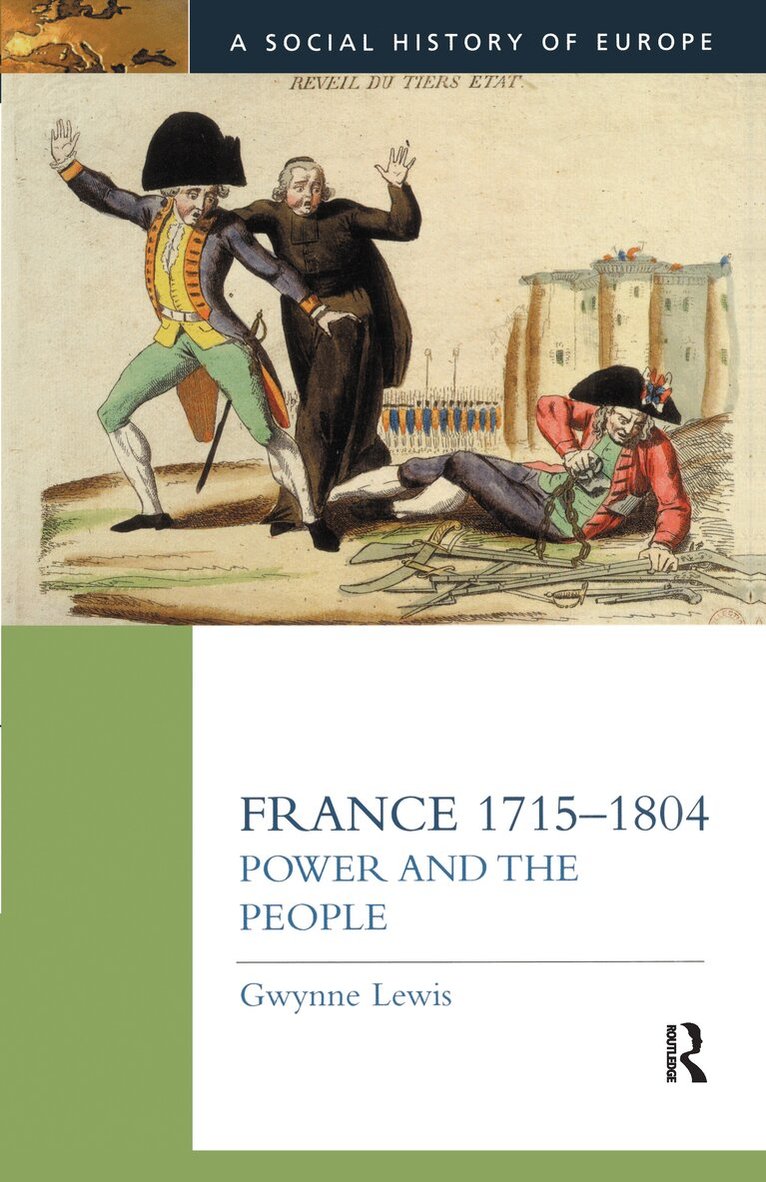
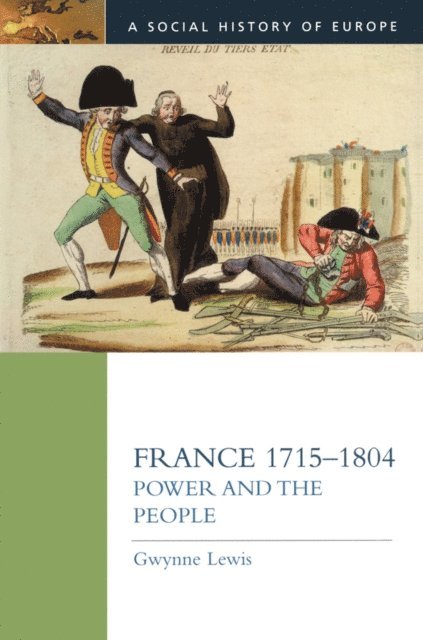
France 1715-1804
Power and the People
Av Gwynne Lewis
Häftad, 2004
757 kr
Lägg i varukorg
Gwynne Lewis’ history opens with a full analysis of all the components of traditional France, including political and religious structures, the seigneurial system, the bourgeoisie and the poor. Part two examines the meaning and challenge of the Enlightenment, with particular reference to women and …
French Revolution
Rethinking the Debate
Av Gwynne Lewis
E-bok, 2002
768 kr
Lägg i varukorg
First Published in 2004. Historical Connections is a new series of short books on important historical topics and debates, written primarily for those studying and teaching history. The books will offer original and challenging works of synthesis that will make new themes accessible, or old themes …
French Revolution
Rethinking the Debate
Av Gwynne Lewis
E-bok, 2002
768 kr
Lägg i varukorg
First Published in 2004. Historical Connections is a new series of short books on important historical topics and debates, written primarily for those studying and teaching history. The books will offer original and challenging works of synthesis that will make new themes accessible, or old themes …
French Revolution
Rethinking the Debate
Av Gwynne Lewis
Inbunden, 2016
2594 kr
Lägg i varukorg
First Published in 2004. Historical Connections is a new series of short books on important historical topics and debates, written primarily for those studying and teaching history. The books will offer original and challenging works of synthesis that will make new themes accessible, or old themes …
France 1715-1804
Power and the People
Av Gwynne Lewis
Inbunden, 2020
2198 kr
Lägg i varukorg
Gwynne Lewis history opens with a full analysis of all the components of traditional France, including political and religious structures, the seigneurial system, the bourgeoisie and the poor. Part two examines the meaning and challenge of the Enlightenment, with particular reference to women and …
France 1715-1804
Power and the People
Av Gwynne Lewis
E-bok, 2018
892 kr
Lägg i varukorg
Gwynne Lewis’ history opens with a full analysis of all the components of traditional France, including political and religious structures, the seigneurial system, the bourgeoisie and the poor. Part two examines the meaning and challenge of the Enlightenment, with particular reference to women …
France 1715-1804
Power and the People
Av Gwynne Lewis
E-bok, 2018
873 kr
Lägg i varukorg
Gwynne Lewis’ history opens with a full analysis of all the components of traditional France, including political and religious structures, the seigneurial system, the bourgeoisie and the poor. Part two examines the meaning and challenge of the Enlightenment, with particular reference to women …