H. Aram Veeser - Böcker
Visar alla böcker från författaren H. Aram Veeser. Handla med fri frakt och snabb leverans.
6 produkter
6 produkter
800 kr
Skickas inom 10-15 vardagar
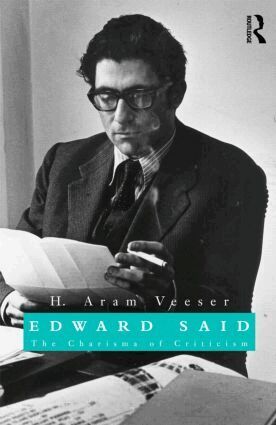
This insightful critical biography shows us an Edward Said we did not know. H. Aram Veeser brings forth not the Said of tabloid culture, or Said the remote philosopher, but the actual man, embedded in the politics of the Middle East but soaked in the values of the West and struggling to advance the best European ideas. Veeser shows the organic ties connecting his life, politics, and criticism.Drawing on what he learned over 35 years as Said's student and skeptical admirer, Veeser uses never-before-published interviews, debate transcripts, and photographs to discover a Said who had few inhibitions and loathed conventional routine. He stood for originality, loved unique ideas, wore marvelous clothes, and fought with molten fury. For twenty years he embraced and rejected, at the same time, not only the West, but also literary theory and the PLO. At last, his disgust with business-as-usual politics and criticism marooned him on the sidelines of both. The candid tale of Said's rise from elite academic precincts to the world stage transforms not only our understanding of Said—the man and the myth—but also our perception of how intellectuals can make their way in the world.
1 434 kr
Tillfälligt slut
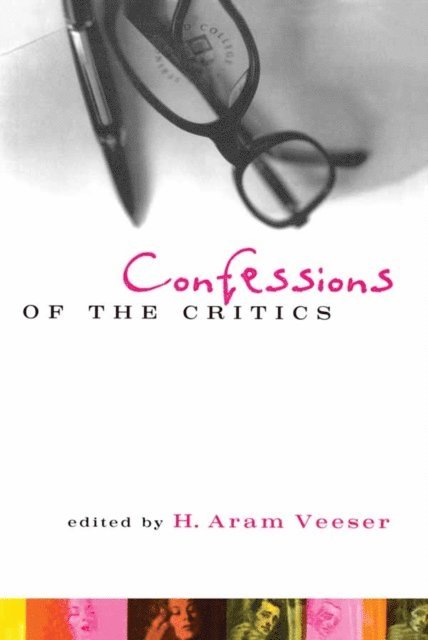
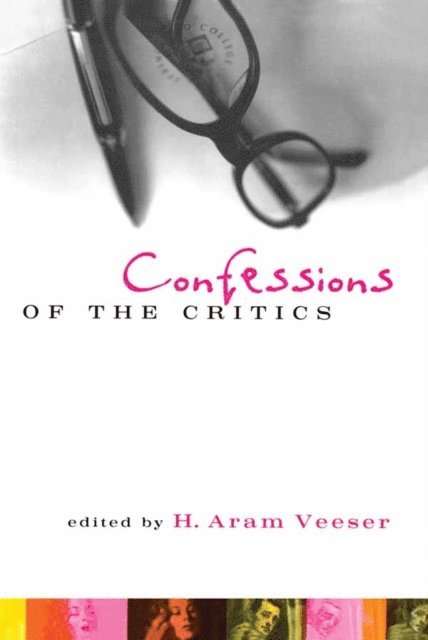
The Confessions of the Critics shatters a certain silence. Autobiographical criticism has until now skated relatively free from the challenges that usually assail a new literary critical method. It has had this immunity from critique largely because feminists and third-world liberation fighters--such as Alice Walker, Adrienne Rich and Jane Gallop--ushered it to the North American academic stage. Other women and men, including Rigoberta Menchu, Nawal al-Sadawi, Mahasweta Devi and Malcolm X, wrote in the tradition and genre of testimonio . These and other unimpeachably militant backgrounds gave confessional criticism a certain cache among the largely liberal community of literary scholars. We have hesitated to express misgivings about a form that seemed intrinsically tied to the most vital, powerful strivings. Telling stories about one's own past is probably our culture's richest way of characterizing the effects of social injustice and developing what it takes to resist various kinds of victimage, writes contributor Charles Altieri. Confessions of the Critics provides a revealing look into the thoughts and experiences of some of the most influential and important critics of the 20th century. The writers included avoid pretention and gross self-misrepresentation, giving way to raw, sometimes embarrassing, always wholly believable emotion. Describing cumulative literary shocks and episodes of self-recognition, contributors offer insights to their ruling passions and works. Powerful sensations, emotions, recognitions and revelations make up the heart of Confessions of the Critics. It is a book that none will put aside or easily forget. Contributors: Charles Altieri, William Andrews, Michael F. Berube, Timothy Brennan, Gillian Brown, Cathy Davidson, Elizabeth Fox-Genovese, Diane Freedman, Marjorie Garber, Gerald Graff, Stephen J. Greenblatt, Michael Hill, Marianne Hirsch, Alice Yeager Kaplan, Amitava Kumar, Candace Lang, Louis Menand, Judith Lowder Newton, Linda Orr, Vincent Pecora, David Simpson, Gayatri Chakravorty Spivak, Madelon Sprengnether, Jane Tompkins, Marianna Torgovnick, H. Aram Veeser, Jeffrey Williams, Elizabeth Young-Bruehl.
660 kr
Skickas inom 10-15 vardagar
The Confessions of the Critics shatters a certain silence. Autobiographical criticism has until now skated relatively free from the challenges that usually assail a new literary critical method. It has had this immunity from critique largely because feminists and third-world liberation fighters--such as Alice Walker, Adrienne Rich and Jane Gallop--ushered it to the North American academic stage. Other women and men, including Rigoberta Menchu, Nawal al-Sadawi, Mahasweta Devi and Malcolm X, wrote in the tradition and genre of testimonio . These and other unimpeachably militant backgrounds gave confessional criticism a certain cache among the largely liberal community of literary scholars. We have hesitated to express misgivings about a form that seemed intrinsically tied to the most vital, powerful strivings. Telling stories about one's own past is probably our culture's richest way of characterizing the effects of social injustice and developing what it takes to resist various kinds of victimage, writes contributor Charles Altieri. Confessions of the Critics provides a revealing look into the thoughts and experiences of some of the most influential and important critics of the 20th century. The writers included avoid pretention and gross self-misrepresentation, giving way to raw, sometimes embarrassing, always wholly believable emotion. Describing cumulative literary shocks and episodes of self-recognition, contributors offer insights to their ruling passions and works. Powerful sensations, emotions, recognitions and revelations make up the heart of Confessions of the Critics. It is a book that none will put aside or easily forget. Contributors: Charles Altieri, William Andrews, Michael F. Berube, Timothy Brennan, Gillian Brown, Cathy Davidson, Elizabeth Fox-Genovese, Diane Freedman, Marjorie Garber, Gerald Graff, Stephen J. Greenblatt, Michael Hill, Marianne Hirsch, Alice Yeager Kaplan, Amitava Kumar, Candace Lang, Louis Menand, Judith Lowder Newton, Linda Orr, Vincent Pecora, David Simpson, Gayatri Chakravorty Spivak, Madelon Sprengnether, Jane Tompkins, Marianna Torgovnick, H. Aram Veeser, Jeffrey Williams, Elizabeth Young-Bruehl.
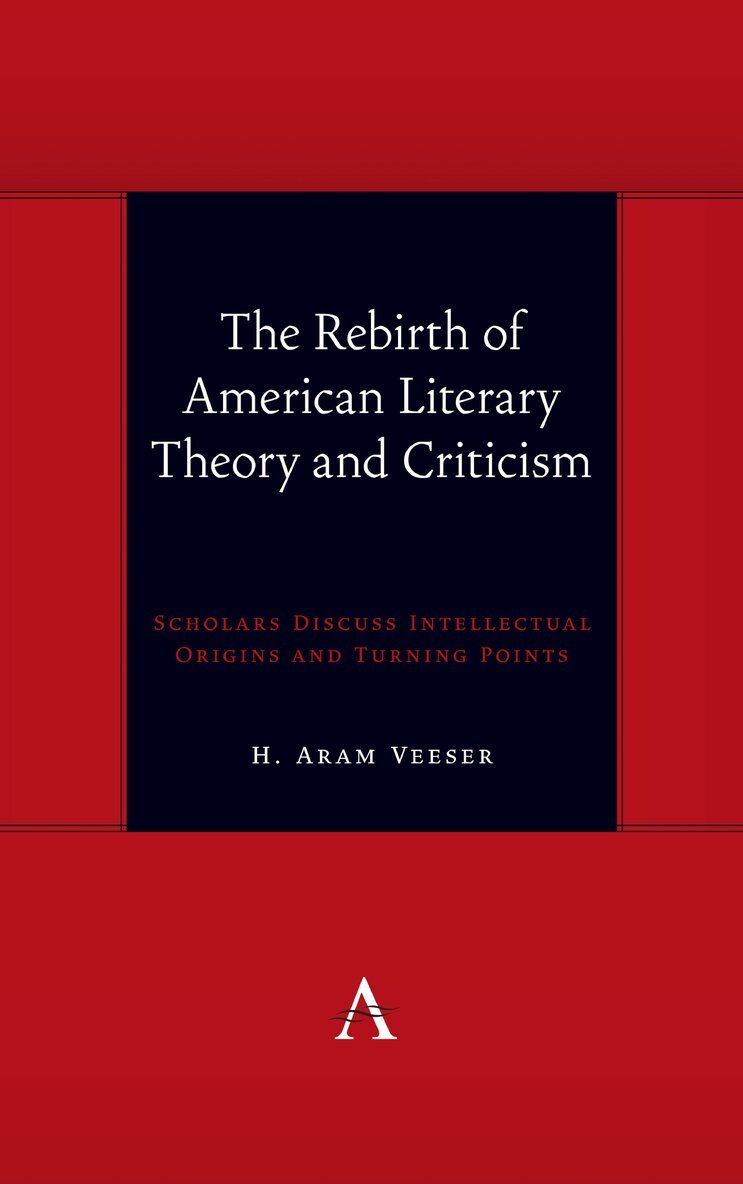
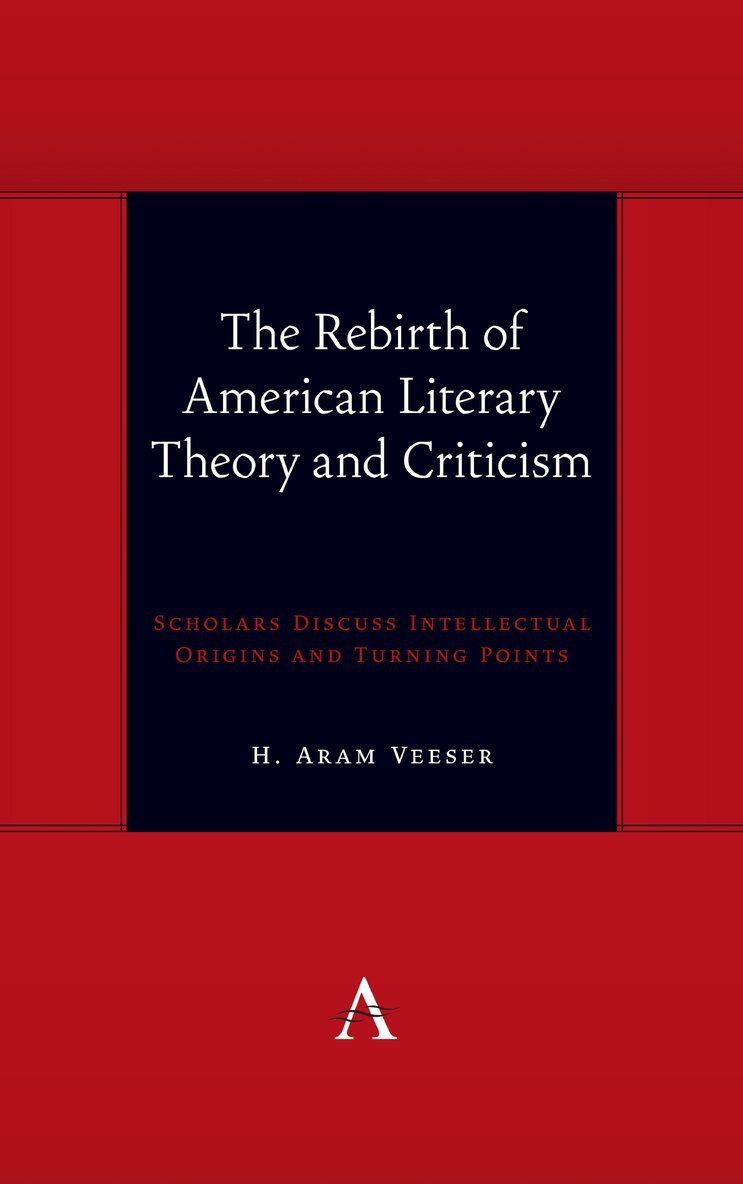
Rebirth of American Literary Theory and Criticism
Scholars Discuss Intellectual Origins and Turning Points
Inbunden, Engelska, 2020
1 442 kr
Skickas inom 5-8 vardagar
The interviewees of this volume fall into three groups: the main players who brought about the rise of theory (Fish, Gallop, Spivak, Bhabha); a younger group of post-theorists (Bérubé, Dimock, Nealon, Warren); the anti-critique theorists (Felski); and new order theorists (Puchner, Wolfe). They discuss elemental questions, such as trying to grasp what was logic and what was rhetoric; trying to see down the road while fog and turmoil held visibility to arm’s length; and trying to pick legible meanings out of the cultural blanket of deafening noise. Theorists were not only good thinkers but also pioneers who were seeking profound transformations.
The Rebirth of American Literary Theory and Criticism : Scholars Discuss Intellectual Origins and Turning Points
Engelska, 2020
512 kr
Tillfälligt slut
Rebirth of American Literary Theory and Criticism
Scholars Discuss Intellectual Origins and Turning Points
Häftad, Engelska, 2022
462 kr
Skickas inom 5-8 vardagar
The interviewees of this volume fall into three groups: the main players who brought about the rise of theory (Fish, Gallop, Spivak, Bhabha); a younger group of post-theorists (Bérubé, Dimock, Nealon, Warren); the anti-critique theorists (Felski); and new order theorists (Puchner, Wolfe). They discuss elemental questions, such as trying to grasp what was logic and what was rhetoric; trying to see down the road while fog and turmoil held visibility to arm’s length; and trying to pick legible meanings out of the cultural blanket of deafening noise. Theorists were not only good thinkers but also pioneers who were seeking profound transformations.