H. Friedman – författare
Visar alla böcker från författaren H. Friedman. Handla med fri frakt och snabb leverans.
4 produkter
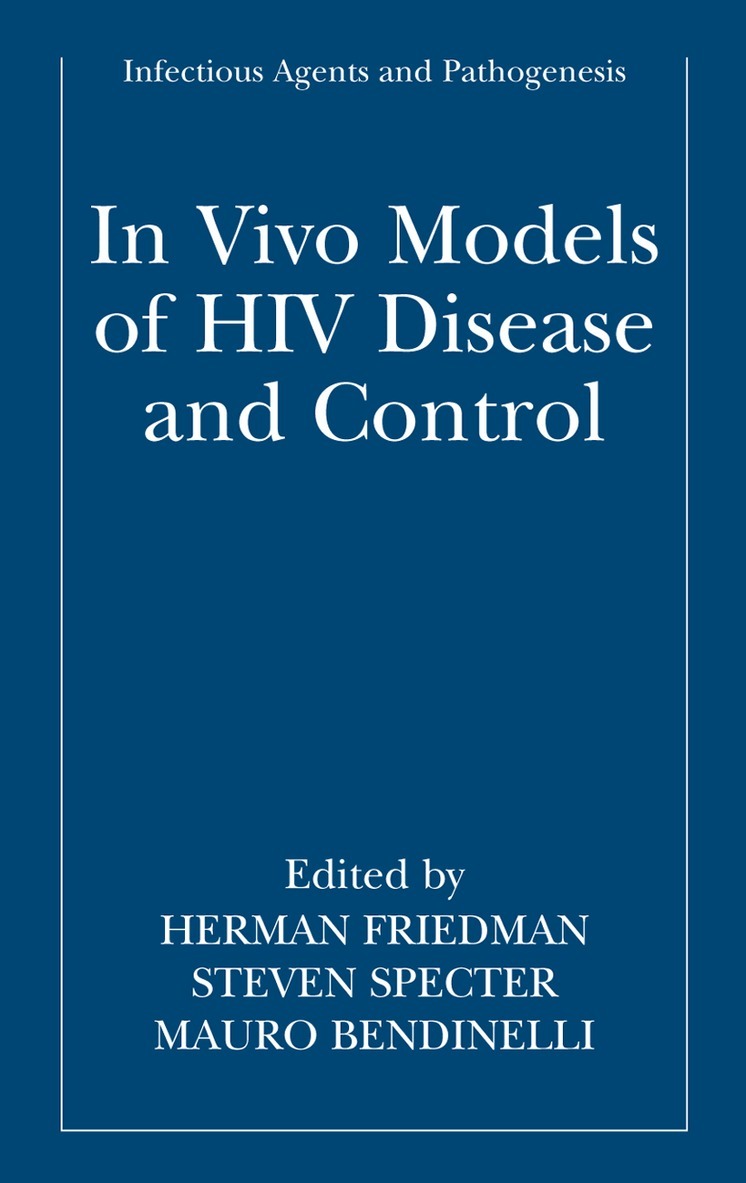
In vivo Models of HIV Disease and Control
Av H. Friedman, Herman Friedman m. fl.
Inbunden, 2005
1692 kr
Lägg i varukorg
An AIDS vaccine is still elusive and HIV treatment continues to develop multidrug resistance at alarming rates. Because of the similarities between HIV and immune deficiency infections in a variety of animals, it is only natural that scientists use these animals as models to study pathogenesis, …
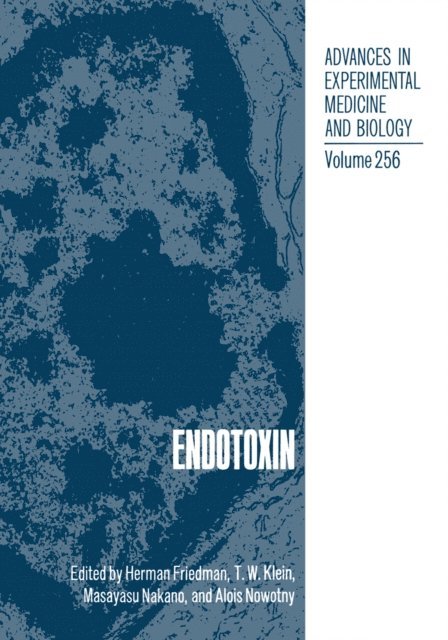
Endotoxin
Av H. Friedman
E-bok, 2013
1470 kr
Lägg i varukorg
This volume is based on the proceedings of the International Symposium on Bacterial Endotoxins held in Japan. May 11-14. 1988 and sponsored by the International Endotoxin Society and the International Society for Immuno pharmacology. Speakers and participants of this symposium provided new …
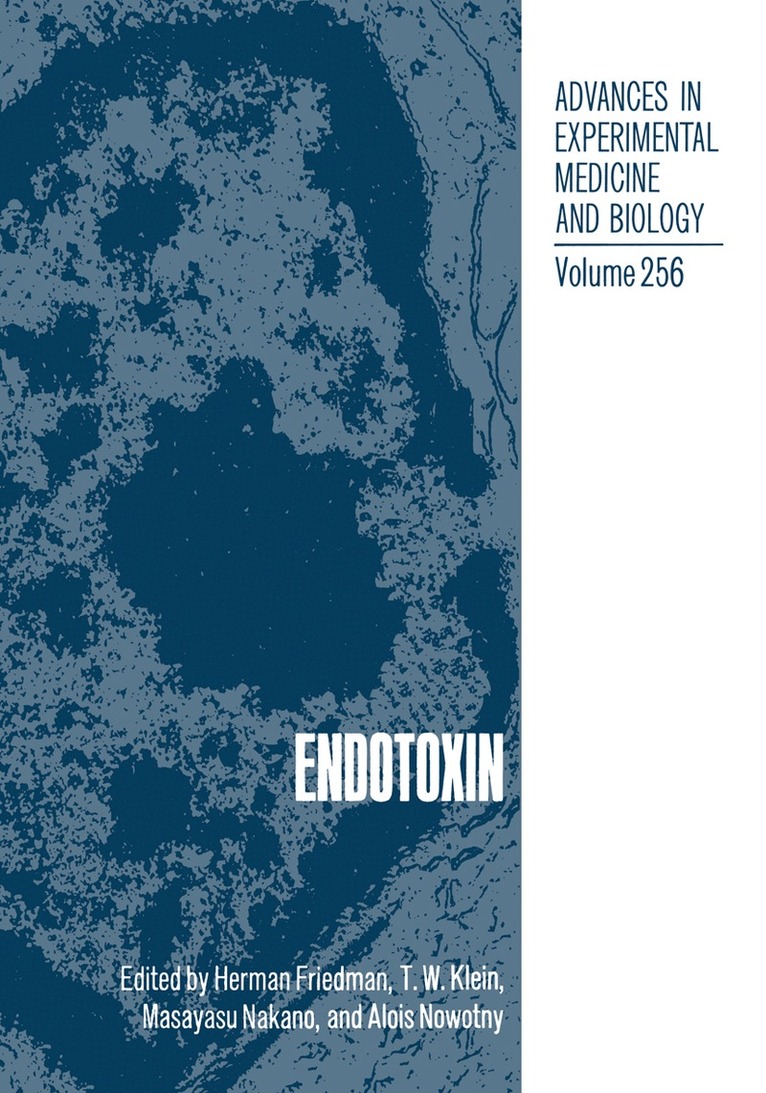
Endotoxin
Av H. Friedman
Häftad, 2013
1133 kr
Lägg i varukorg
This volume is based on the proceedings of the International Symposium on Bacterial Endotoxins held in Japan. May 11-14. 1988 and sponsored by the International Endotoxin Society and the International Society for Immuno pharmacology. Speakers and participants of this symposium provided new …