H. Lark Hall – författare
739 kr
Skickas inom 10-15 vardagar
2 335 kr
Skickas inom 10-15 vardagar
2 474 kr
Skickas inom 10-15 vardagar
643 kr
Läs direkt efter köp
641 kr
Läs direkt efter köp
855 kr
Läs direkt efter köp
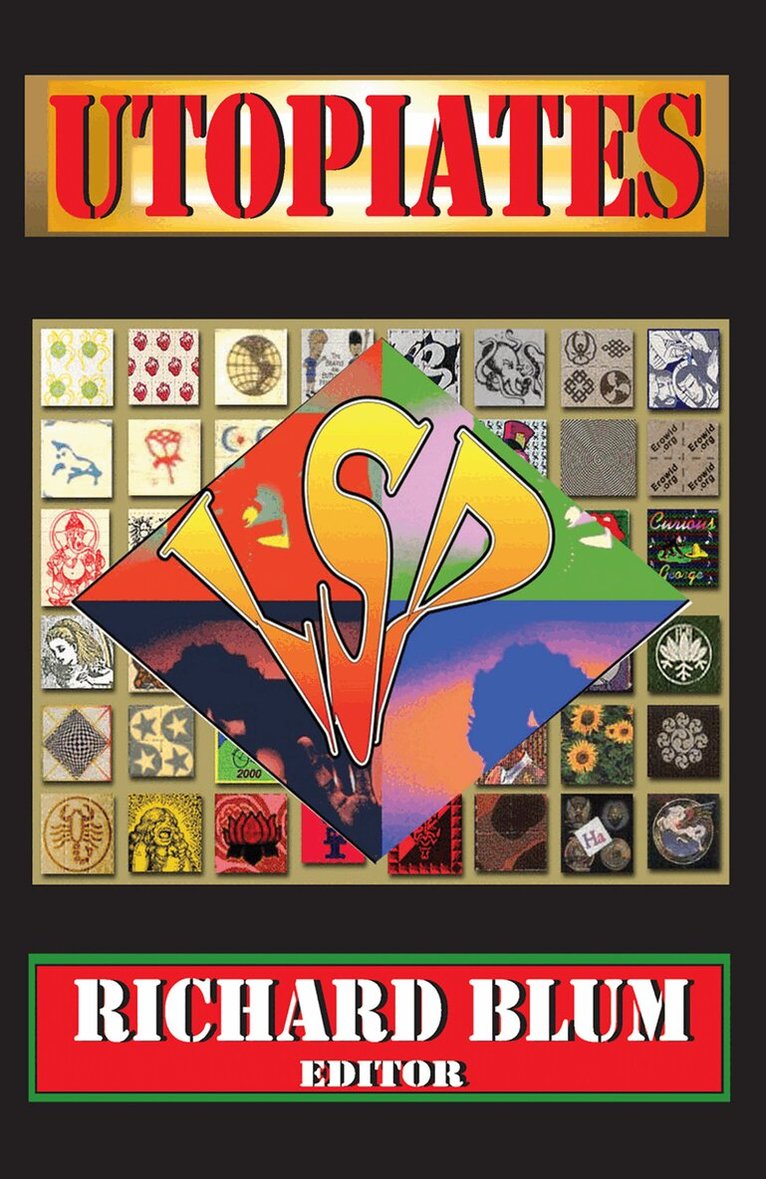
LSD belongs to the class of drugs that, taken orally, can produce dramatic psychological experiences. There appears to be a wide range of response to LSD. Commonly there are reports of sensory changes, extreme variations in strong emotions, new perspectives about oneself, changed views of-and feelings toward-other people, changes from prior chronic situations, shifts in interest, and new integrative experiences which may be delusional or mystically religious.
The contributors to this volume, which was first published in 1965, accent the culture that embraces LSD. They marshal evidence that the effects of any drug tend to be in keeping with the values of the culture or subculture in which it is used, or if the user''s wish is to express rebellion or dissidence, the effect will stand in opposition to prevailing values. The same substance has different effects in different cultures; and the same effects may be achieved with different substances. In the past, alcohol was hailed in much the same way as LSD. There was even a time when coffee was brought under the same kind of proscription that today holds for opiates.
Such conflicts in values and morals continue with a new generation of drugs, which makes this volume especially relevant. What could be done was an open issue at the time this book was first published. The contributors encourage citizens, scientists, physicians, mystics, ministers, lawmakers and lawmen, drug users and abstainers, to learn and to think more about the phenomena of drug use and to develop plans for social action. This volume stresses the need to develop a policy regarding the handling of classes of drugs and drug users. Although LSD has fallen in favor as a drug of choice for those interested in experimentation, the issues raised in this volume remain with us.
858 kr
Läs direkt efter köp
LSD belongs to the class of drugs that, taken orally, can produce dramatic psychological experiences. There appears to be a wide range of response to LSD. Commonly there are reports of sensory changes, extreme variations in strong emotions, new perspectives about oneself, changed views of-and feelings toward-other people, changes from prior chronic situations, shifts in interest, and new integrative experiences which may be delusional or mystically religious.
The contributors to this volume, which was first published in 1965, accent the culture that embraces LSD. They marshal evidence that the effects of any drug tend to be in keeping with the values of the culture or subculture in which it is used, or if the user''s wish is to express rebellion or dissidence, the effect will stand in opposition to prevailing values. The same substance has different effects in different cultures; and the same effects may be achieved with different substances. In the past, alcohol was hailed in much the same way as LSD. There was even a time when coffee was brought under the same kind of proscription that today holds for opiates.
Such conflicts in values and morals continue with a new generation of drugs, which makes this volume especially relevant. What could be done was an open issue at the time this book was first published. The contributors encourage citizens, scientists, physicians, mystics, ministers, lawmakers and lawmen, drug users and abstainers, to learn and to think more about the phenomena of drug use and to develop plans for social action. This volume stresses the need to develop a policy regarding the handling of classes of drugs and drug users. Although LSD has fallen in favor as a drug of choice for those interested in experimentation, the issues raised in this volume remain with us.
540 kr
Skickas inom 10-15 vardagar
451 kr
Läs direkt efter köp
“Consciously I was neither radical nor conservative, and yet my reading was drawing me inevitably out of the narrower field of polite literature into the new world of social thought that was rising about me. Carlyle, Ruskin, Morris became increasingly my teachers-above all others Morris. I have always been a rebel, I think, but with the bias of my training in art and letters I must enter the field of radicalism through such an avenue if at all. My economics must be sugar-coated for me. Shelley ought to have aroused me, or William Blake; but they did not. And it was not till William Morris came with the charm of his prose style that I was shaken out of the lethargy of the cultural. To enter the field of modern social thought through the avenue of art may seem strange to a younger generation; but it was a common experience in days when Ruskin and Morris were prophets to a world content with its smug Manchesterism.” -Vernon Louis Parrington (1918)
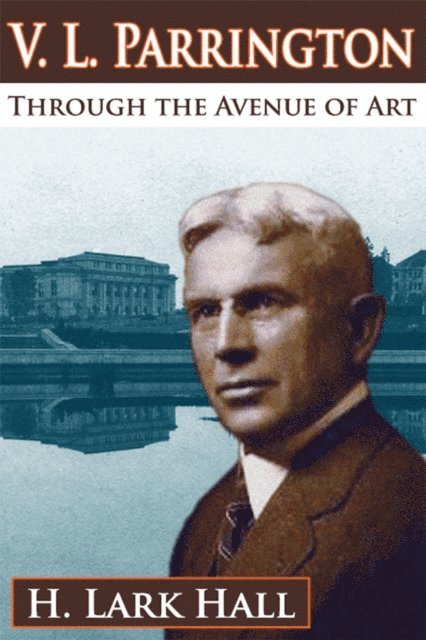
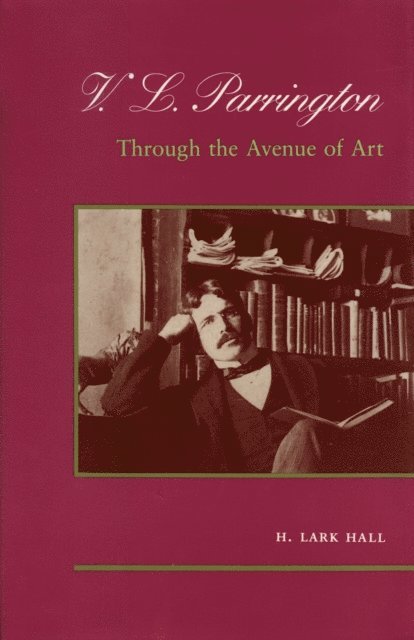
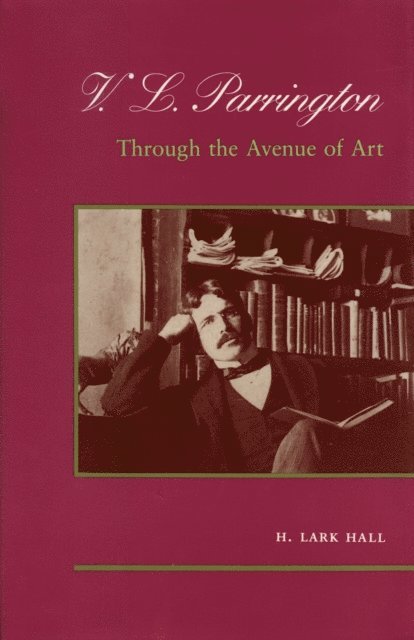
H. Lark Hall presents the first comprehensive biography of Vernon Louis Parrington (1871-1929). The recipient of the 1928 Pulitzer Prize in history for the first two volumes of his Main Currents in American Thought (3 vols., 1927, 1930), Parrington remains one of the most influential literary and historical scholars of the early 20th century.
Parrington was a man in search of a personal myth. He found his self-image successively mirrored in Victorian novels, painting, poetry, Populism, religion, the arts and crafts movement, American literature, and American history. These changes also were reflected in his teaching as a professor of English at the College of Emporia, the University of Oklahoma, and the University of Washington. Published late in his career, Main Currents represented the culmination of his search.
Drawing upon previously inaccessible personal papers-including correspondence, diaries, Harvard student course work, Main Currents chapter drafts, and other unpublished writings–Hall traces Parrington’s intellectual development from his midwestern childhood through a midlife engagement with English poet and artist William Morris, then from the radical impact of “the new history” to the tempered postwar reflection of his late career at the University of Washington. Her reinterpretation of Main Currents emphasizes Parrington’s concern with the drama of the life of the mind and links his historical viewpoint to his own personal history.
451 kr
Läs direkt efter köp
"Consciously I was neither radical nor conservative, and yet my reading was drawing me inevitably out of the narrower field of polite literature into the new world of social thought that was rising about me. Carlyle, Ruskin, Morris became increasingly my teachers-above all others Morris. I have always been a rebel, I think, but with the bias of my training in art and letters I must enter the field of radicalism through such an avenue if at all. My economics must be sugar-coated for me. Shelley ought to have aroused me, or William Blake; but they did not. And it was not till William Morris came with the charm of his prose style that I was shaken out of the lethargy of the cultural. To enter the field of modern social thought through the avenue of art may seem strange to a younger generation; but it was a common experience in days when Ruskin and Morris were prophets to a world content with its smug Manchesterism." -Vernon Louis Parrington (1918)
H. Lark Hall presents the first comprehensive biography of Vernon Louis Parrington (1871-1929). The recipient of the 1928 Pulitzer Prize in history for the first two volumes of his Main Currents in American Thought (3 vols., 1927, 1930), Parrington remains one of the most influential literary and historical scholars of the early 20th century.
Parrington was a man in search of a personal myth. He found his self-image successively mirrored in Victorian novels, painting, poetry, Populism, religion, the arts and crafts movement, American literature, and American history. These changes also were reflected in his teaching as a professor of English at the College of Emporia, the University of Oklahoma, and the University of Washington. Published late in his career, Main Currents represented the culmination of his search.
Drawing upon previously inaccessible personal papers-including correspondence, diaries, Harvard student course work, Main Currents chapter drafts, and other unpublished writings--Hall traces Parrington''s intellectual development from his midwestern childhood through a midlife engagement with English poet and artist William Morris, then from the radical impact of "the new history" to the tempered postwar reflection of his late career at the University of Washington. Her reinterpretation of Main Currents emphasizes Parrington''s concern with the drama of the life of the mind and links his historical viewpoint to his own personal history.