H. Sidky – författare
Visar alla böcker från författaren . Handla med fri frakt och snabb leverans.
5 produkter
5 produkter
Häftad, Engelska, 2019
563 kr
Skickas inom 10-15 vardagar
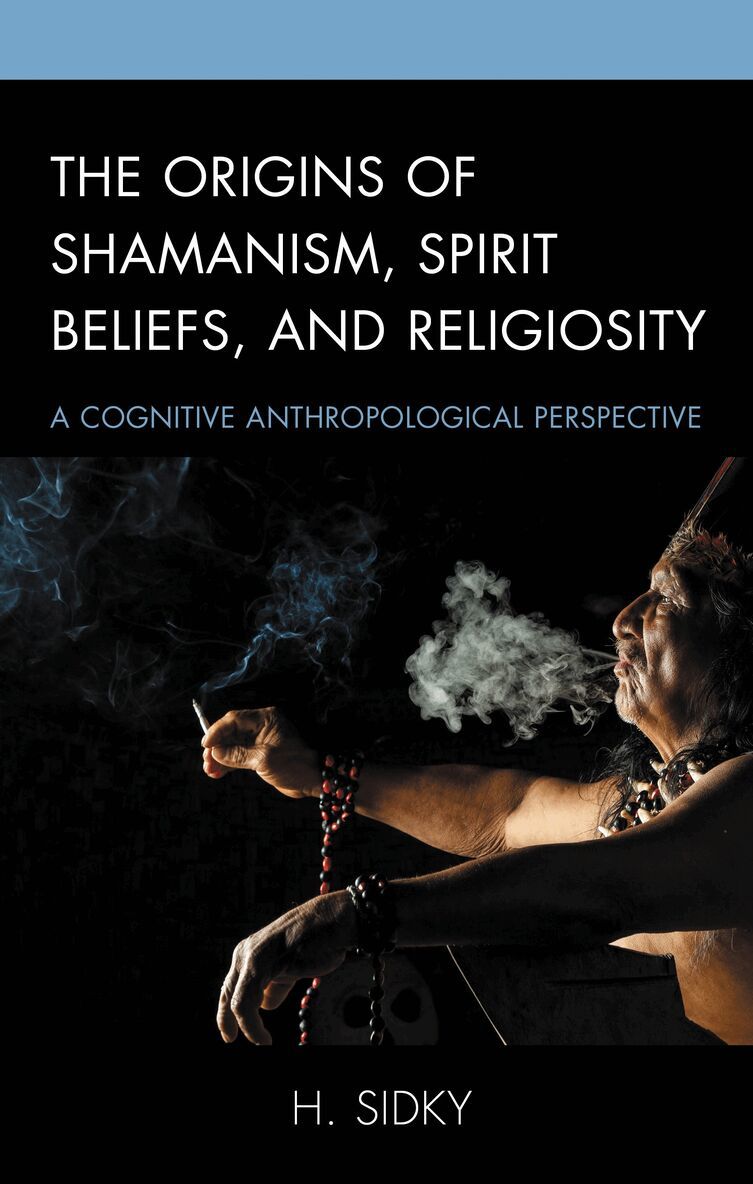
In The Origins of Shamanism, Spirit Beliefs, and Religiosity, H. Sidky examines shamanism as an ancient magico-religious, divinatory, medical, and psychotherapeutic tradition found in various parts of the world. Sidky uses first-hand ethnographic fieldwork and scientific theoretical work in archaeology, cognitive and evolutionary psychology, and neurotheology to explore the origins of shamanism, spirit beliefs, the evolution of human consciousness, and the origins of ritual behavior and religiosity.

Inbunden, Engelska, 2008
1 536 kr
Skickas inom 10-15 vardagar
Haunted by the Archaic Shaman critically engages the general discourse on shamanism by using ethnographic data gathered among different ethnic groups in the Nepal Himalayas to address several key conceptual issues and problems in the scholarly field of shamanic studies. Sidky not only tackles topics that appear beyond resolution to many, such as defining shamanism and delimiting its geographical scope, but also challenges on empirical and theoretical grounds several widely held ideas that have assumed the status of incontrovertible facts, such as the antiquity of shamanism and its place in the rise of human religiosity. This book makes a significant theoretical contribution to the field of shamanic studies and the anthropology of religion.
Inbunden, Engelska, 2000
1 308 kr
Skickas inom 10-15 vardagar
In this volume, Sidky undertakes the task of reconstructing the history of Greek Bactria, a warlike kingdom that existed twenty-two centuries ago in what is now northern Afghanistan, from fragmentary sources. The resulting work brings to life ancient documents in a narrative scope, where a forgotten people are recreated in the reader's mind. The story of east meeting west, and the resulting synthesis, is re-told here, with critical analysis of sources fitting easily alongside vivid descriptions of glorious battles and great cities. This easily accessible, yet scholarly, work will interest students of ancient history and archaeology.
Del 348 - American University Studies
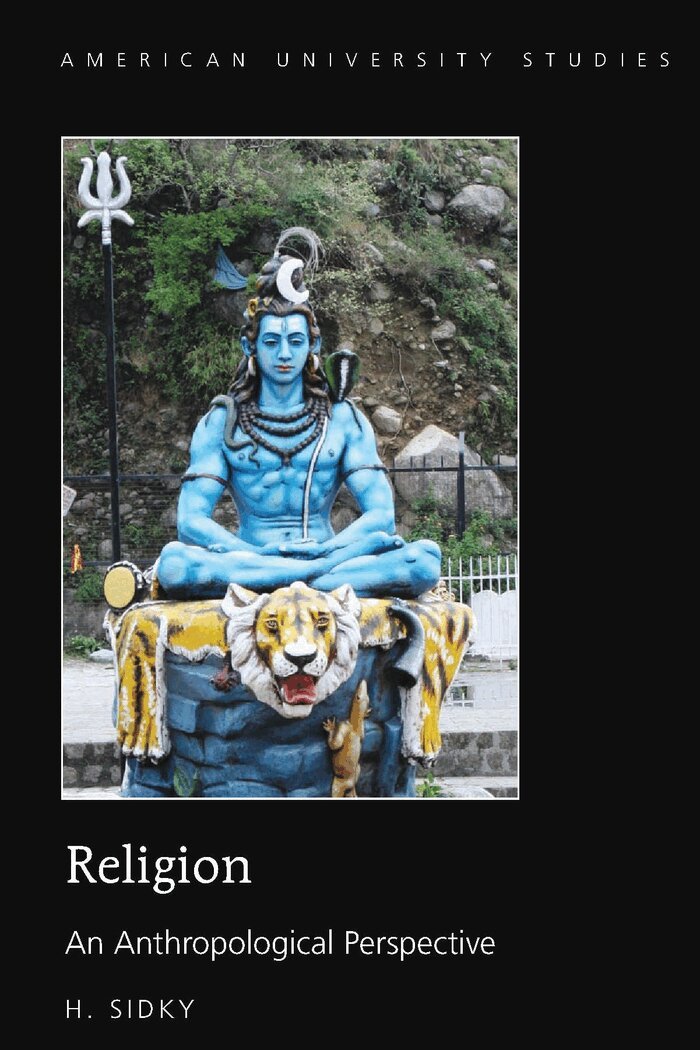
Religion
An Anthropological Perspective
Inbunden, Engelska, 2015
1 052 kr
Skickas inom 5-8 vardagar
Religion: An Anthropological Perspective provides a critical view of religion focusing upon important but overlooked topics such as religion, cognition, and prehistory; science, rationality, and religion; altered states of consciousness, entheogens and religious experience; religion and the paranormal; magic and divination; religion and ecology; fundamentalism; and religion and violence. In addition, this book offers a unique and concise coverage of traditional topics of the anthropology of religion such as shamanism and witchcraft (past and present), ritual, myth, religious symbols, and revitalization movements. A vast range of findings from ethnography, ethnology, cultural anthropology, archaeology, prehistory, history, and cognitive science are brought to bear on the subject. Written in clear jargon-free prose, this book provides an accessible and comprehensive yet critical view of the anthropology of religion both for graduate and undergraduate students and general audiences. Its scope and critical scientific orientation sets Religion: An Anthropological Perspective apart from all other treatments of the subject.
Häftad, Engelska, 2022
507 kr
Skickas inom 10-15 vardagar
At the end of 2019, Americans were living in an era of post-truth characterized by fake news, weaponized lies, alternative facts, conspiracy theories, magical thinking, and irrationalism. While many complex interconnected factors were at work, this post-truth era was partly the culmination of a cadre of anthropologists and other academics in American universities and colleges during the 1980’s and 1990’s. In Science and Anthropology in a Post-Truth World, H. Sidky examines how their untoward dalliance with problematic and dangerous ideas by Michel Foucault, Jacques Derrida, Jean-François Lyotard, Bruno Latour, and Jean Baudrillard informed and empowered a forceful assault on science and truth in the following decades by corporate organizations, politicians, religious extremists, and right-wing populists.