H. Van Dop – författare
Visar alla böcker från författaren H. Van Dop. Handla med fri frakt och snabb leverans.
10 produkter
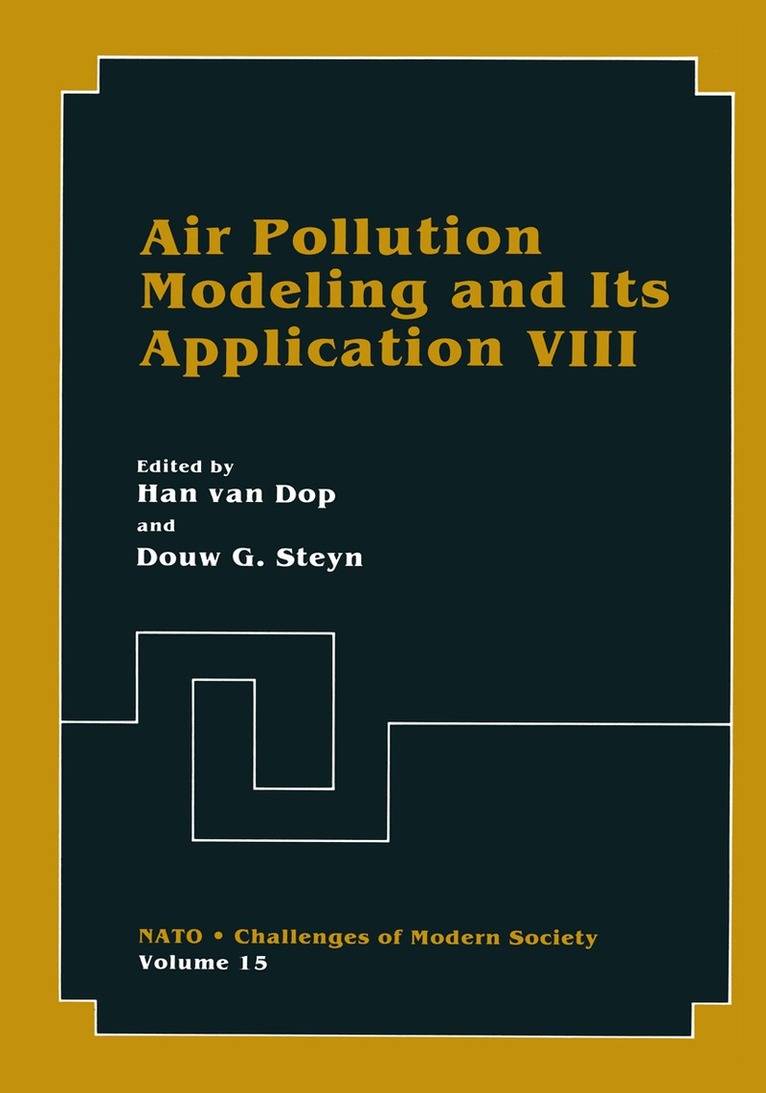
Air Pollution Modeling and Its Application VIII
Inbunden, 1991
2187 kr
Lägg i varukorg
In 1949, when the North Atlantic Treaty was ratified, one of its articles explicitly noted '1hat member countries should contribute towards the further development of peaceful and friendly international relations." Specific problems related to the human environment were addressed by the Committee …
Air Pollution Modeling and Its Application IX
Inbunden, 1992
2187 kr
Lägg i varukorg
The interest in air pollution modelling has shown substantial growth over the last five years. This was particularly evident by the increasing number of participants attending the NATO/CCMS International Technical Meetings on Air Pollution modelling and its Application. At the last meeting 118 …
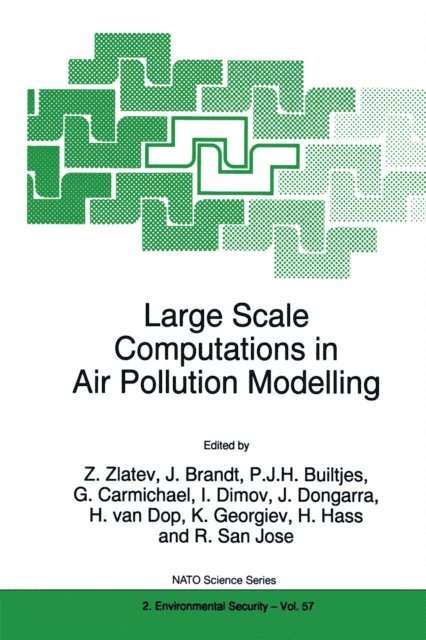
Large Scale Computations in Air Pollution Modelling
Av Zahari Zlatev, Jørgen Brandt m. fl.
Häftad, 1999
552 kr
Lägg i varukorg
1. Contents of these proceedings. These proceedings contain most of the papers which were presented at the NATO ARW (Advanced Research Workshop) on "Large Scale Computations in Air Pollution Modelling". The workshop was held, from June 6 to June to, 1998, in Residence Bistritza, a beautiful site …
Air Pollution Modeling and Its Application IX
Häftad, 2012
2187 kr
Lägg i varukorg
The interest in air pollution modelling has shown substantial growth over the last five years. This was particularly evident by the increasing number of participants attending the NATO/CCMS International Technical Meetings on Air Pollution modelling and its Application. At the last meeting 118 …
Air Pollution Modeling and Its Application VIII
Häftad, 2012
2187 kr
Lägg i varukorg
In 1949, when the North Atlantic Treaty was ratified, one of its articles explicitly noted '1hat member countries should contribute towards the further development of peaceful and friendly international relations." Specific problems related to the human environment were addressed by the Committee …
Air Pollution Modeling and Its Application IX
E-bok, 2012
2925 kr
Lägg i varukorg
The interest in air pollution modelling has shown substantial growth over the last five years. This was particularly evident by the increasing number of participants attending the NATO/CCMS International Technical Meetings on Air Pollution modelling and its Application. At the last meeting 118 …
Air Pollution Modeling and Its Application VIII
E-bok, 2012
2925 kr
Lägg i varukorg
In 1949, when the North Atlantic Treaty was ratified, one of its articles explicitly noted ''1hat member countries should contribute towards the further development of peaceful and friendly international relations." Specific problems related to the human environment were addressed by the Committee …
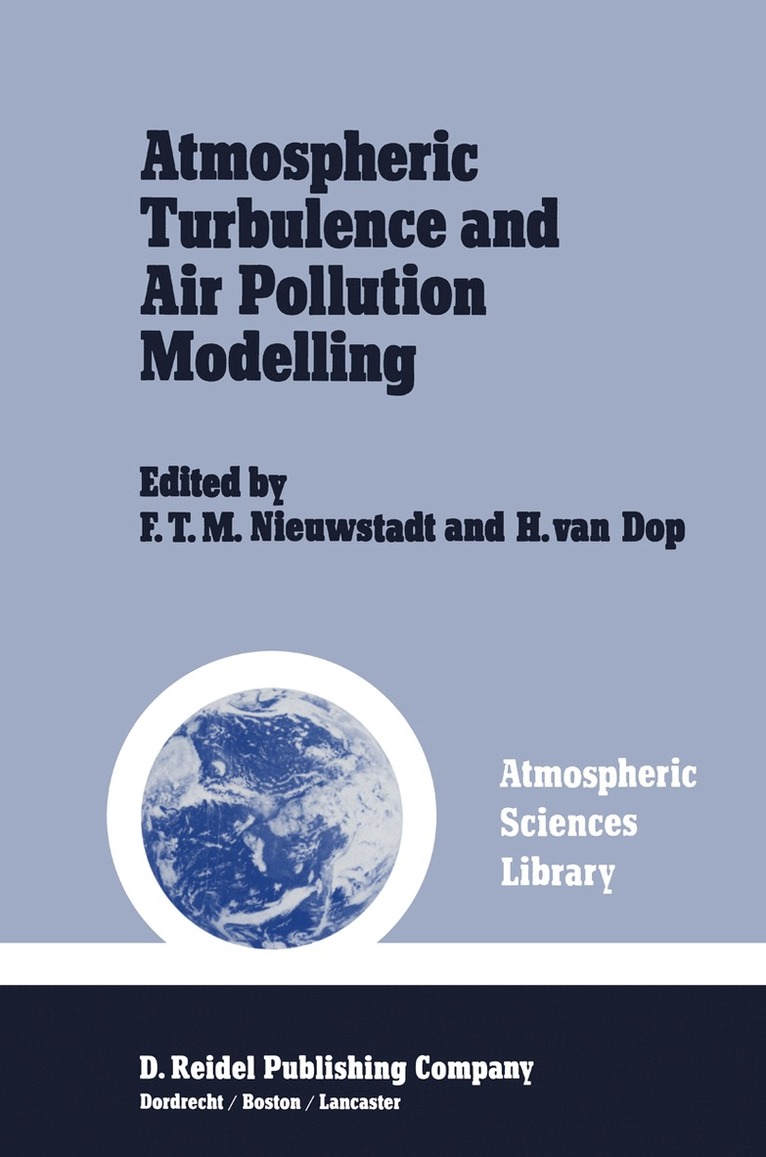
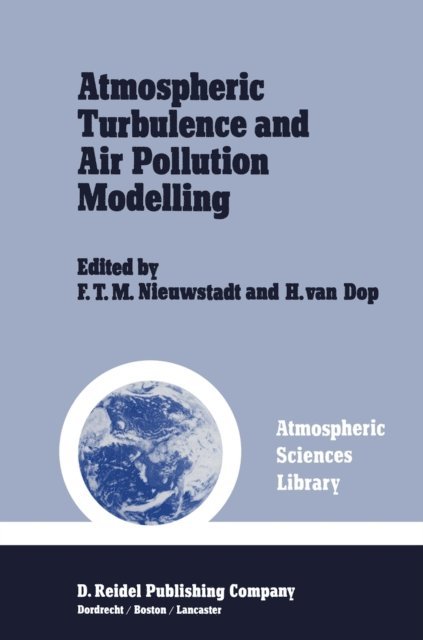
Atmospheric Turbulence and Air Pollution Modelling
A Course held in The Hague, 21–25 September, 1981
Av F.T. Nieuwstadt, H. Van Dop
Häftad, 1984
1643 kr
Lägg i varukorg
The study of turbulence in the atmosphere has seen considerable progress in the last decade. To put it briefly: boundary-layer meteorology, the branch of atmospheric science that concentrates on turbulence in the lower atmosphere, has moved from the surface layer into the boundary layer itself. The …
Atmospheric Turbulence and Air Pollution Modelling
A Course held in The Hague, 21–25 September, 1981
Av H. Van Dop, F.T. Nieuwstadt
E-bok, 2012
2111 kr
Lägg i varukorg
The study of turbulence in the atmosphere has seen considerable progress in the last decade. To put it briefly: boundary-layer meteorology, the branch of atmospheric science that concentrates on turbulence in the lower atmosphere, has moved from the surface layer into the boundary layer itself. The …
Large Scale Computations in Air Pollution Modelling
Av Roberto San Jose, Heinz Hass m. fl.
E-bok, 2012
734 kr
Lägg i varukorg
1. Contents of these proceedings. These proceedings contain most of the papers which were presented at the NATO ARW (Advanced Research Workshop) on "Large Scale Computations in Air Pollution Modelling". The workshop was held, from June 6 to June to, 1998, in Residence Bistritza, a beautiful site …