
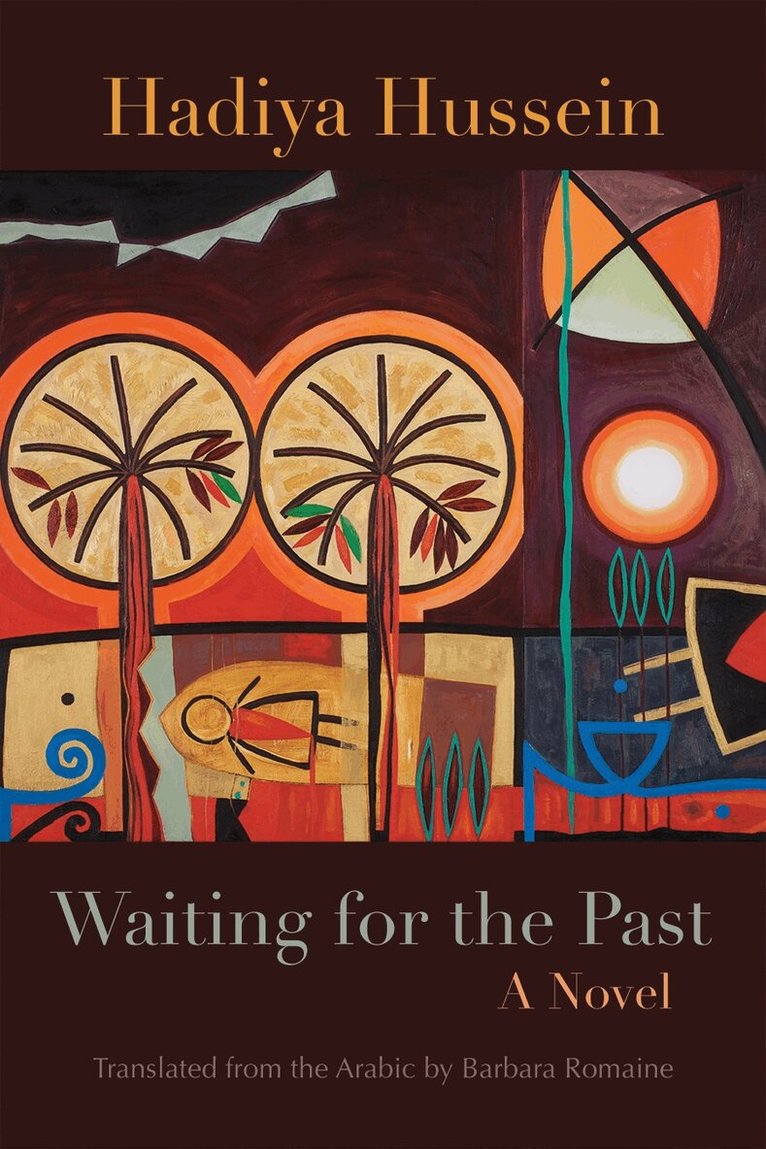
Hadiya Hussein’s poignant 2017 novel plunges readers into a haunting and powerful story of resilience. Set at the end of Saddam Hussein’s brutal reign, the novel follows Narjis, a young Iraqi woman, on her quest to discover what has become of the man she loves. Yusef, suspected by the regime of being a dissident, has disappeared—presumably either imprisoned or executed.On her journey, Narjis receives shelter from a Kurdish family who welcome her into their home and meets Umm Hani, an older woman who is searching for her long-lost son. Together they form a bond, and Narjis comes to understand the depth of loss and grief of those around her. At the same time, she is introduced to the warm hospitality of the Kurds, settling into their everyday lives, and embracing their customs. Barbara Romaine’s translation skillfully renders this complex, layered story, giving readers a stark yet beautiful portrait of contemporary Iraq.
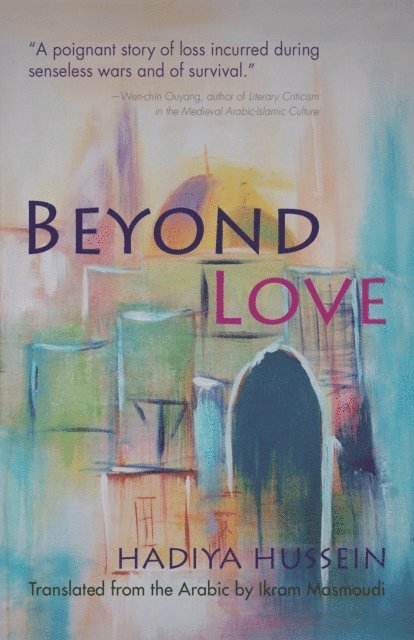
Hussein’s starkly beautiful novel Beyond Love plunges us into the 1991 Gulf War and its aftermath. Huda, the young woman at the center of the story, experiences the deprivation and humiliation of life in sanctioned Iraq, working in the satirically named al-Amal factory (factory of hope) making men’s underwear. While surveillance and fear permeate daily life, Huda dares to vote "no" in the referendum for Saddam Hussein. This courageous act could have led to her death had she not fled to the closest border, Jordan, where the novel begins. Huda is not alone: Iraqi exiles are legion there, all waiting to be relocated and start new lives. Unable to go home or to feel settled in a foreign city, she struggles to overcome her grief and haunting memories of the war and the Shi’ite uprising. In letters, diaries, and oral stories, Hussein’s characters viscerally portray the pain of war and the alienation of exile. Originally published in Arabic in 2003, Beyond Love introduces English-language readers to one of the leading voices in Iraqi fiction today.
Hadiya Hussein’s poignant 2017 novel plunges readers into a haunting and powerful story of resilience. Set at the end of Saddam Hussein’s brutal reign, the novel follows Narjis, a young Iraqi woman, on her quest to discover what has become of the man she loves. Yusef, suspected by the regime of being a dissident, has disappeared—presumably either imprisoned or executed. On her journey, Narjis receives shelter from a Kurdish family who welcome her into their home where she meets Umm Hani, an older woman who is searching for her long-lost son. Together they form a bond, and Narjis comes to understand the depth of loss and grief of those around her. At the same time, she is introduced to the warm hospitality of the Kurdish community, settling into their everyday lives, and embracing their customs. Barbara Romaine’s translation skillfully renders this complex, layered story, giving readers a stark yet beautiful portrait of contemporary Iraq.
Hadiya Hussein’s poignant 2017 novel plunges readers into a haunting and powerful story of resilience. Set at the end of Saddam Hussein’s brutal reign, the novel follows Narjis, a young Iraqi woman, on her quest to discover what has become of the man she loves. Yusef, suspected by the regime of being a dissident, has disappeared—presumably either imprisoned or executed.On her journey, Narjis receives shelter from a Kurdish family who welcome her into their home and meets Umm Hani, an older woman who is searching for her long-lost son. Together they form a bond, and Narjis comes to understand the depth of loss and grief of those around her. At the same time, she is introduced to the warm hospitality of the Kurds, settling into their everyday lives, and embracing their customs. Barbara Romaine’s translation skillfully renders this complex, layered story, giving readers a stark yet beautiful portrait of contemporary Iraq.
Hussein’s starkly beautiful novel Beyond Love plunges us into the 1991 Gulf War and its aftermath. Huda, the young woman at the center of the story, experiences the deprivation and humiliation of life in sanctioned Iraq, working in the satirically named al-Amal factory (factory of hope) making men’s underwear. While surveillance and fear permeate daily life, Huda dares to vote "no" in the referendum for Saddam Hussein. This courageous act could have led to her death had she not fled to the closest border, Jordan, where the novel begins. Huda is not alone: Iraqi exiles are legion there, all waiting to be relocated and start new lives. Unable to go home or to feel settled in a foreign city, she struggles to overcome her grief and haunting memories of the war and the Shi’ite uprising. In letters, diaries, and oral stories, Hussein’s characters viscerally portray the pain of war and the alienation of exile. Originally published in Arabic in 2003, Beyond Love introduces English-language readers to one of the leading voices in Iraqi fiction today.
Hadiya Hussein’s poignant 2017 novel plunges readers into a haunting and powerful story of resilience. Set at the end of Saddam Hussein’s brutal reign, the novel follows Narjis, a young Iraqi woman, on her quest to discover what has become of the man she loves. Yusef, suspected by the regime of being a dissident, has disappeared—presumably either imprisoned or executed. On her journey, Narjis receives shelter from a Kurdish family who welcome her into their home where she meets Umm Hani, an older woman who is searching for her long-lost son. Together they form a bond, and Narjis comes to understand the depth of loss and grief of those around her. At the same time, she is introduced to the warm hospitality of the Kurdish community, settling into their everyday lives, and embracing their customs. Barbara Romaine’s translation skillfully renders this complex, layered story, giving readers a stark yet beautiful portrait of contemporary Iraq.