How does an entire society become complicit in torture? The Civil Infrastructure of Torture traces the bureaucratic life of torture, examining the institutions and administrative processes that sustain torture over time—from courts and oversight bodies to ethics committees in public hospitals. Focusing on Israel—and written during a period in which the state's rationale for violence has dramatically shifted—it shows how these institutions have been shaped and adapted to allow torture not only to persist but also to intensify. Drawing on the archive of the Public Committee Against Torture in Israel, the book analyzes thousands of documents—victims' depositions, medical records, official correspondence, and committee briefings—to explore the banal paperwork through which brutality is normalized and torture is sustained. Alongside dozens of interviews with human rights practitioners, activists, interrogators, torture survivors, and Israeli officials, these materials reveal torture as a political technology. Torture is not merely a technique of information extraction and is not confined to the interrogation chamber in moments of emergency as it is often imagined. Nor are its effects limited to the individual body and psyche. Rather, torture works politically. It targets (post/colonized) societies as a whole, working to undermine resistance. The book further demonstrates how civil infrastructures that are often imagined as safeguards enable the proliferation and facilitate of torture: hospitals, complaint procedures, and oversight systems do not merely fail to stop torture; they actively help reproduce and legitimize it. Ultimately, torture becomes woven into the state's legal structures, its institutional practices, and, eventually, its ethos and self-image.
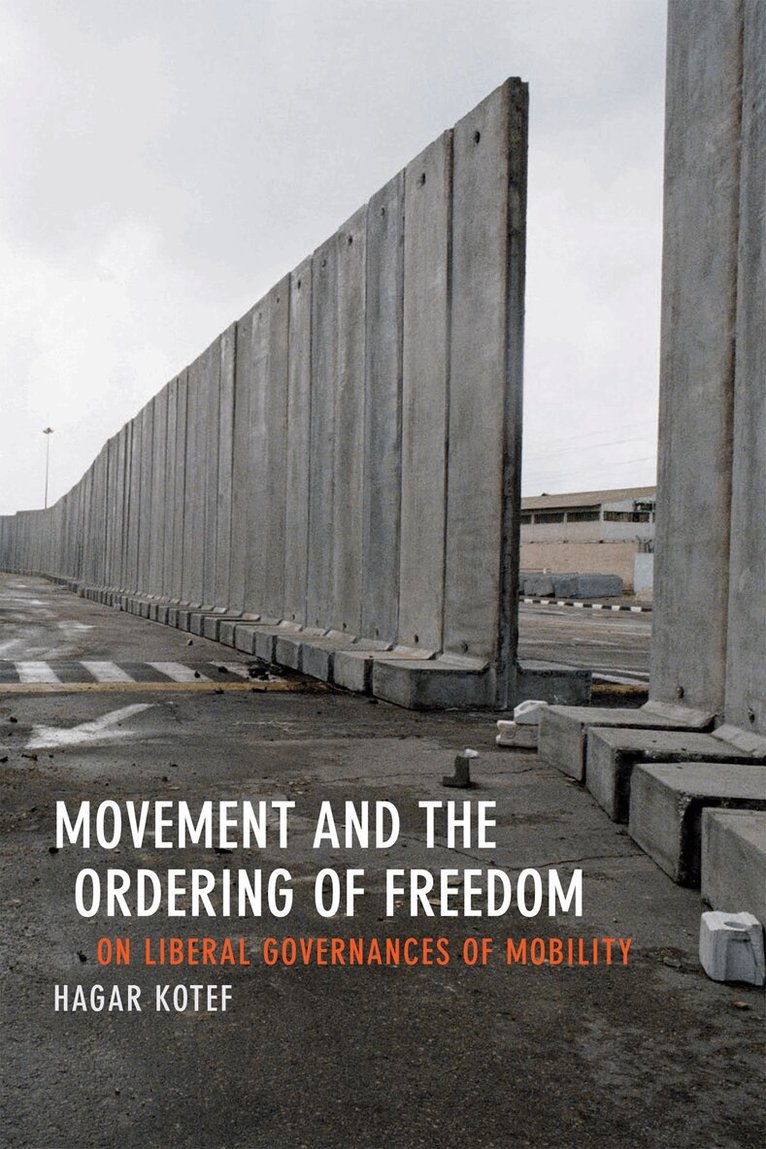
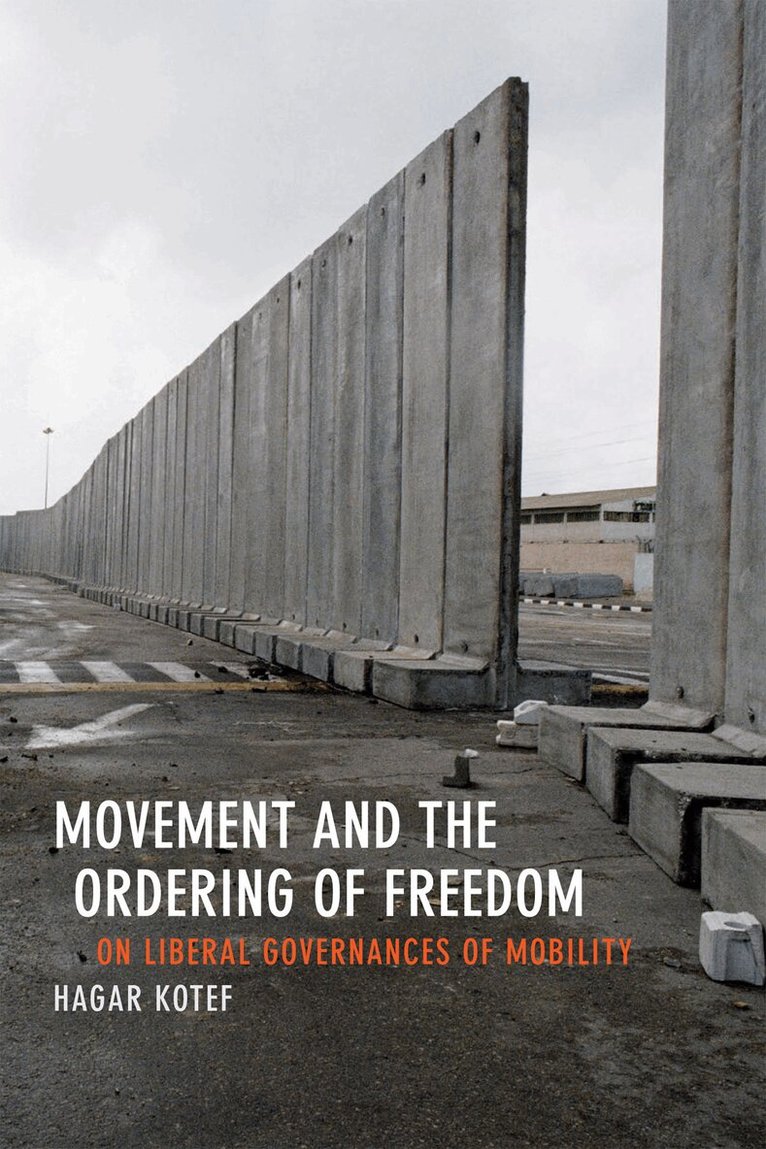
We live within political systems that increasingly seek to control movement, organized around both the desire and ability to determine who is permitted to enter what sorts of spaces, from gated communities to nation-states. In Movement and the Ordering of Freedom, Hagar Kotef examines the roles of mobility and immobility in the history of political thought and the structuring of political spaces. Ranging from the writings of Locke, Hobbes, and Mill to the sophisticated technologies of control that circumscribe the lives of Palestinians in the Occupied West Bank, this book shows how concepts of freedom, security, and violence take form and find justification via “regimes of movement.” Kotef traces contemporary structures of global (im)mobility and resistance to the schism in liberal political theory, which embodied the idea of “liberty” in movement while simultaneously regulating mobility according to a racial, classed, and gendered matrix of exclusions.
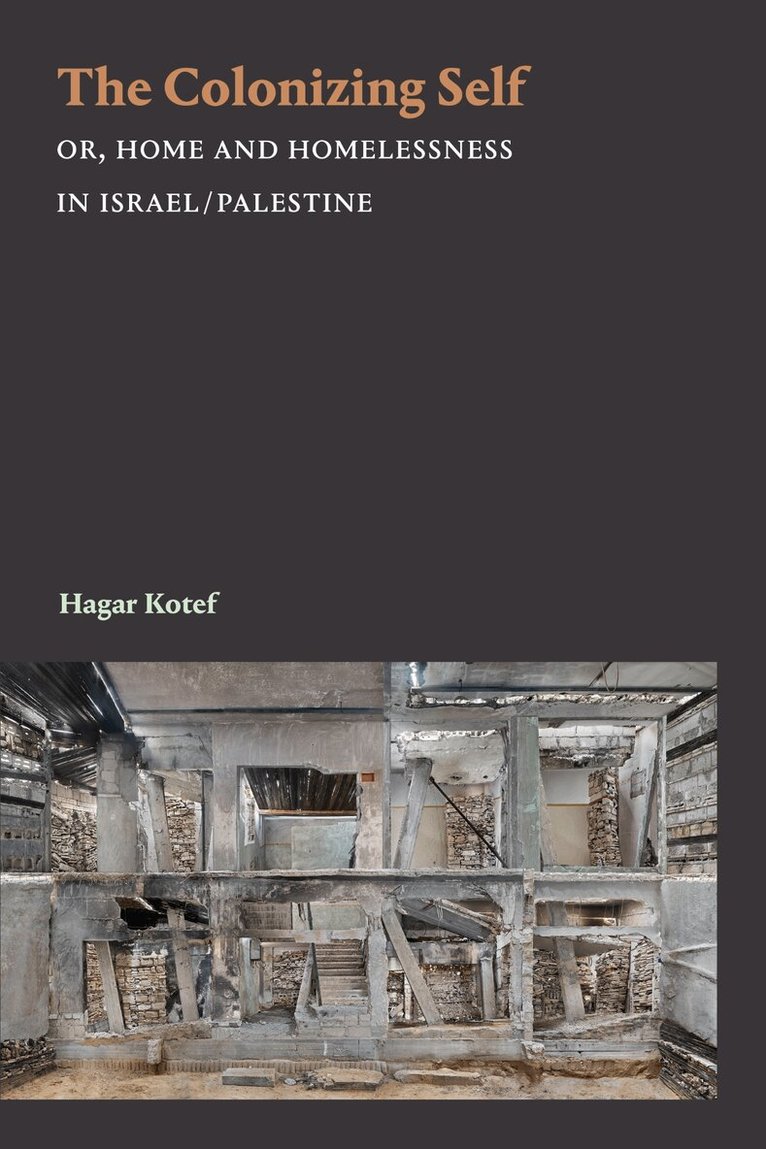
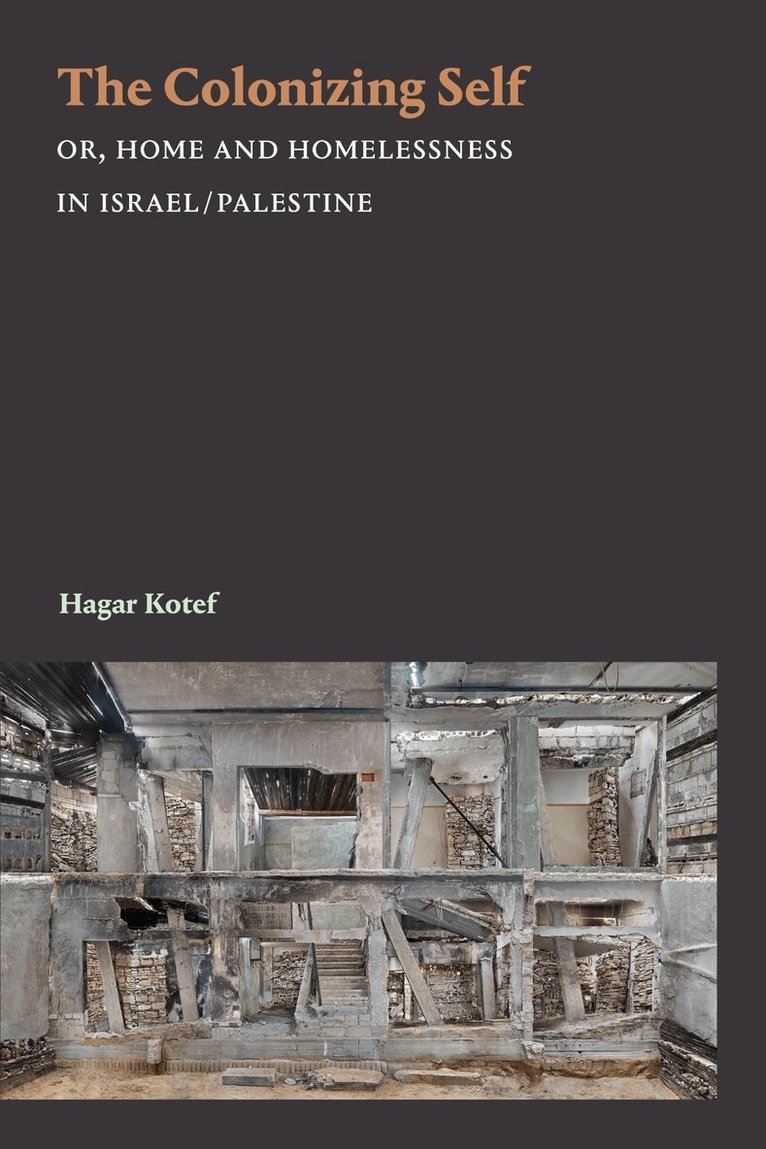
Colonizers continuously transform spaces of violence into spaces of home. Israeli Jews settle in the West Bank and in depopulated Palestinian houses in Haifa or Jaffa. White missionaries build their lives in Africa. The descendants of European settlers in the Americas and Australia dwell and thrive on expropriated indigenous lands. In The Colonizing Self Hagar Kotef traces the cultural, political, and spatial apparatuses that enable people and nations to settle on the ruins of other people's homes. Kotef demonstrates how the mass and structural modes of violence that are necessary for the establishment and sustainment of the colony dwell within settler-colonial homemaking, and through it shape collective and individual identities. She thus powerfully shows how the possibility to live amid the destruction one generates is not merely the possibility to turn one's gaze away from violence but also the possibility to develop an attachment to violence itself. Kotef thereby offers a theoretical framework for understanding how settler-colonial violence becomes inseparable from one's sense of self.
Colonizers continuously transform spaces of violence into spaces of home. Israeli Jews settle in the West Bank and in depopulated Palestinian houses in Haifa or Jaffa. White missionaries build their lives in Africa. The descendants of European settlers in the Americas and Australia dwell and thrive on expropriated indigenous lands. In The Colonizing Self Hagar Kotef traces the cultural, political, and spatial apparatuses that enable people and nations to settle on the ruins of other people''s homes. Kotef demonstrates how the mass and structural modes of violence that are necessary for the establishment and sustainment of the colony dwell within settler-colonial homemaking, and through it shape collective and individual identities. She thus powerfully shows how the possibility to live amid the destruction one generates is not merely the possibility to turn one''s gaze away from violence but also the possibility to develop an attachment to violence itself. Kotef thereby offers a theoretical framework for understanding how settler-colonial violence becomes inseparable from one''s sense of self.