Haggai Ram – författare
Visar alla böcker från författaren . Handla med fri frakt och snabb leverans.
7 produkter
7 produkter
Inbunden, Engelska, 2009
1 235 kr
Skickas inom 10-15 vardagar
Israel and Iran invariably are portrayed as sworn enemies, engaged in an unending conflict with potentially apocalyptic implications.Iranophobia offers an innovative and provocative new reading of this conflict. Concerned foremost with how Israelis perceive Iran, the author steps back from all-too-common geopolitical analyses to show that this conflict is as much a product of shared cultural trajectories and entangled histories as it is one of strategic concerns and political differences. Haggai Ram, an Israeli scholar, explores prevalent Israeli assumptions about Iran to look at how these assumptions have, in turn, reflected and shaped Jewish Israeli identity. Drawing on diverse political, cultural, and academic sources, he concludes that anti-Iran phobias in the Israeli public sphere are largely projections of perceived domestic threats to the prevailing Israeli ethnocratic order. At the same time, he examines these phobias in relation to the Jewish state's use of violence in the Palestinian territories and Lebanon in the post-9/11 world. In the end, Ram demonstrates that the conflict between Israel and Iran may not be as essential and polarized as common knowledge assumes. Israeli anti-Iran phobias are derived equally from domestic anxieties about the Jewish state's ethnic and religious identities and from exaggerated and displaced strategic concerns in the era of the "war on terrorism."
Häftad, Engelska, 2009
296 kr
Skickas inom 5-8 vardagar
Israel and Iran invariably are portrayed as sworn enemies, engaged in an unending conflict with potentially apocalyptic implications.Iranophobia offers an innovative and provocative new reading of this conflict. Concerned foremost with how Israelis perceive Iran, the author steps back from all-too-common geopolitical analyses to show that this conflict is as much a product of shared cultural trajectories and entangled histories as it is one of strategic concerns and political differences. Haggai Ram, an Israeli scholar, explores prevalent Israeli assumptions about Iran to look at how these assumptions have, in turn, reflected and shaped Jewish Israeli identity. Drawing on diverse political, cultural, and academic sources, he concludes that anti-Iran phobias in the Israeli public sphere are largely projections of perceived domestic threats to the prevailing Israeli ethnocratic order. At the same time, he examines these phobias in relation to the Jewish state's use of violence in the Palestinian territories and Lebanon in the post-9/11 world. In the end, Ram demonstrates that the conflict between Israel and Iran may not be as essential and polarized as common knowledge assumes. Israeli anti-Iran phobias are derived equally from domestic anxieties about the Jewish state's ethnic and religious identities and from exaggerated and displaced strategic concerns in the era of the "war on terrorism."
E-bok
Engelska, 2009364 kr
Läs direkt efter köp
Israel and Iran invariably are portrayed as sworn enemies, engaged in an unending conflict with potentially apocalyptic implications.Iranophobia offers an innovative and provocative new reading of this conflict. Concerned foremost with how Israelis perceive Iran, the author steps back from all-too-common geopolitical analyses to show that this conflict is as much a product of shared cultural trajectories and entangled histories as it is one of strategic concerns and political differences. Haggai Ram, an Israeli scholar, explores prevalent Israeli assumptions about Iran to look at how these assumptions have, in turn, reflected and shaped Jewish Israeli identity. Drawing on diverse political, cultural, and academic sources, he concludes that anti-Iran phobias in the Israeli public sphere are largely projections of perceived domestic threats to the prevailing Israeli ethnocratic order. At the same time, he examines these phobias in relation to the Jewish state's use of violence in the Palestinian territories and Lebanon in the post-9/11 world. In the end, Ram demonstrates that the conflict between Israel and Iran may not be as essential and polarized as common knowledge assumes. Israeli anti-Iran phobias are derived equally from domestic anxieties about the Jewish state's ethnic and religious identities and from exaggerated and displaced strategic concerns in the era of the "war on terrorism."
Inbunden, Engelska, 2020
1 365 kr
Skickas inom 5-8 vardagar
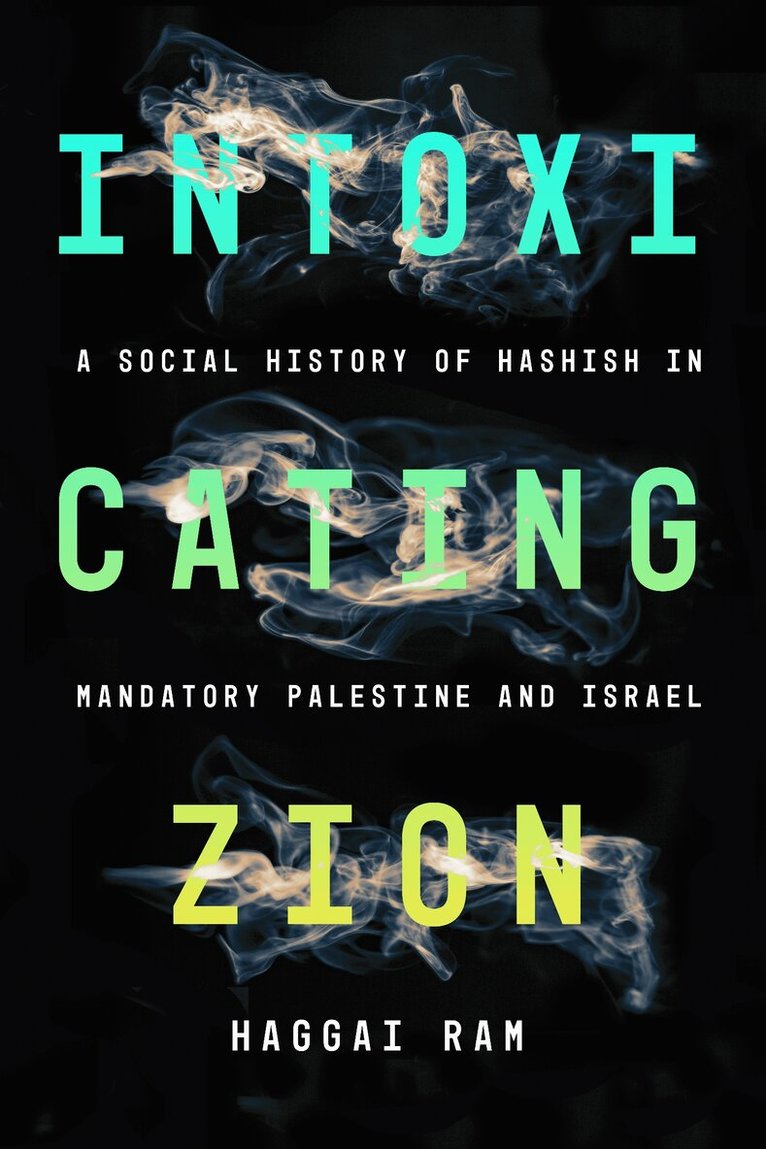
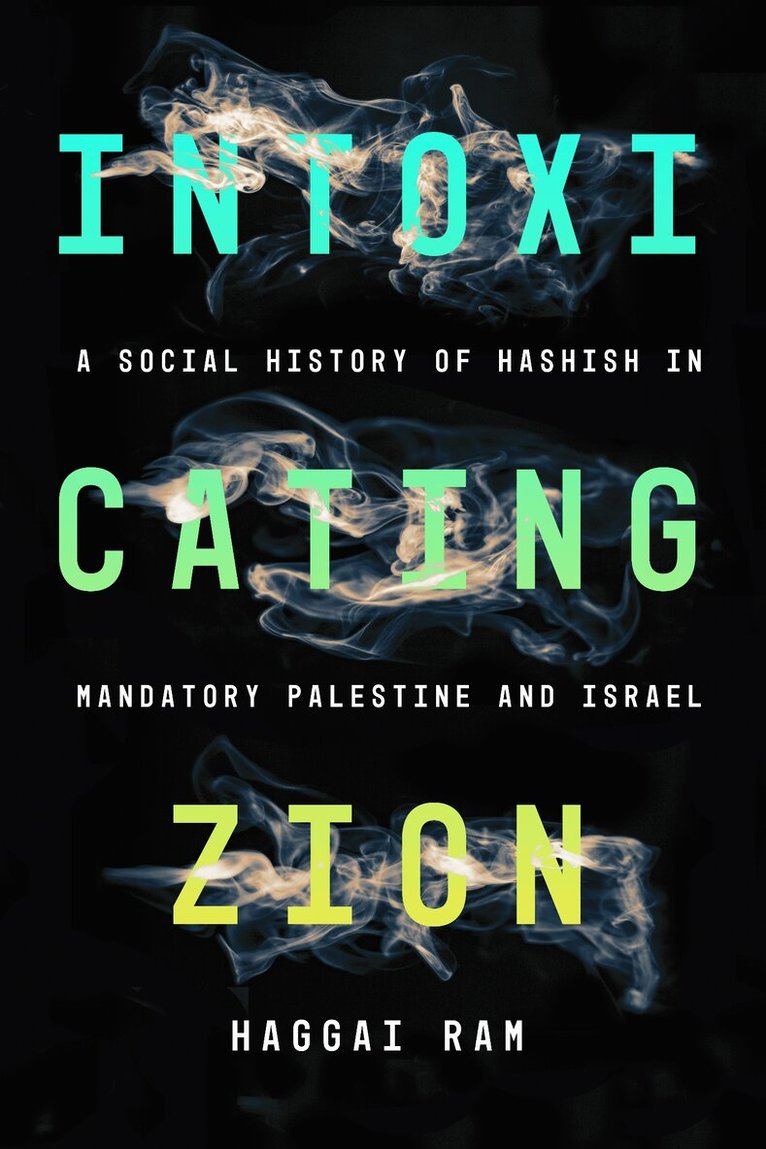
When European powers carved political borders across the Middle East following World War I, a curious event in the international drug trade occurred: Palestine became the most important hashish waystation in the region and a thriving market for consumption. British and French colonial authorities utterly failed to control the illicit trade, raising questions about the legitimacy of their mandatory regimes. The creation of the Israeli state, too, had little effect to curb illicit trade. By the 1960s, drug trade had become a major point of contention in the Arab-Israeli conflict, and drug use widespread.Intoxicating Zion is the first book to tell the story of hashish in Mandatory Palestine and Israel. Trafficking, use, and regulation; race, gender, and class; colonialism and nation-building all weave together in Haggai Ram's social history of the drug from the 1920s to the aftermath of the 1967 War. The hashish trade encompassed smugglers, international gangs, residents, law enforcers, and political actors, and Ram traces these flows through the interconnected realms of cross-border politics, economics, and culture. Hashish use was and is a marker of belonging and difference, and its history offers readers a unique glimpse into how the modern Middle East was made.
Häftad, Engelska, 2020
332 kr
Skickas inom 5-8 vardagar
When European powers carved political borders across the Middle East following World War I, a curious event in the international drug trade occurred: Palestine became the most important hashish waystation in the region and a thriving market for consumption. British and French colonial authorities utterly failed to control the illicit trade, raising questions about the legitimacy of their mandatory regimes. The creation of the Israeli state, too, had little effect to curb illicit trade. By the 1960s, drug trade had become a major point of contention in the Arab-Israeli conflict, and drug use widespread.Intoxicating Zion is the first book to tell the story of hashish in Mandatory Palestine and Israel. Trafficking, use, and regulation; race, gender, and class; colonialism and nation-building all weave together in Haggai Ram's social history of the drug from the 1920s to the aftermath of the 1967 War. The hashish trade encompassed smugglers, international gangs, residents, law enforcers, and political actors, and Ram traces these flows through the interconnected realms of cross-border politics, economics, and culture. Hashish use was and is a marker of belonging and difference, and its history offers readers a unique glimpse into how the modern Middle East was made.
328 kr
Läs direkt efter köp
When European powers carved political borders across the Middle East following World War I, a curious event in the international drug trade occurred: Palestine became the most important hashish waystation in the region and a thriving market for consumption. British and French colonial authorities utterly failed to control the illicit trade, raising questions about the legitimacy of their mandatory regimes. The creation of the Israeli state, too, had little effect to curb illicit trade. By the 1960s, drug trade had become a major point of contention in the Arab-Israeli conflict, and drug use widespread.Intoxicating Zion is the first book to tell the story of hashish in Mandatory Palestine and Israel. Trafficking, use, and regulation; race, gender, and class; colonialism and nation-building all weave together in Haggai Ram's social history of the drug from the 1920s to the aftermath of the 1967 War. The hashish trade encompassed smugglers, international gangs, residents, law enforcers, and political actors, and Ram traces these flows through the interconnected realms of cross-border politics, economics, and culture. Hashish use was and is a marker of belonging and difference, and its history offers readers a unique glimpse into how the modern Middle East was made.
Häftad, Engelska, 2002
481 kr
Skickas inom 10-15 vardagar
When asserting the history of 20th-century cultural forms, non-Western art can no longer remain relegated to the margins, viewed as derivative and imitative of canonical Western artistic modes. This assessment of modern Iranian visual culture from the 1960s and 1970s suggests that modernity in Iran was a creative, complex and contested process. The book examines the expression of Iranian modernity in a variety of media including painting, sculpture, photography, posters and graphic arts. It highlights new modes of artistic production within an expanding institutional context: developments in Iranian art criticism, exhibition apparatus, education and patronage. The contributors also address changes in the iconography of Iranian art and in the increasingly social role of the artist. Ultimately, these patterns of artistic production influenced the art that accompanied the Iranian Revolution of 1979. This work demonstrates that the visual arts serve as an important archival record of a critical period in Iranian history.