Hai Ren – författare
Visar alla böcker från författaren Hai Ren. Handla med fri frakt och snabb leverans.
14 produkter
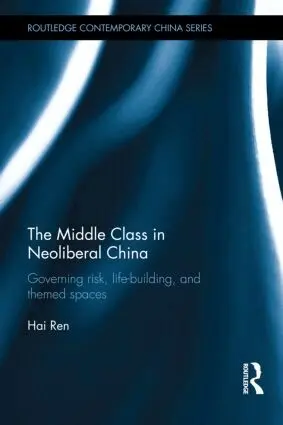
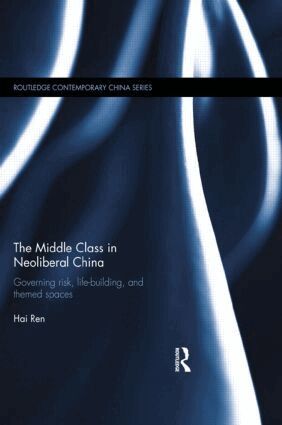
Middle Class in Neoliberal China
Governing Risk, Life-Building, and Themed Spaces
Av Hai Ren
Inbunden, 2012
2506 kr
Lägg i varukorg
Since the late 1970s, China’s move towards neoliberalism has made it not only one of the world’s fastest growing economies, but also one of the most polarised states. This economic, social and political transformation has led to the emergence of a new Chinese middle class, and understanding the …
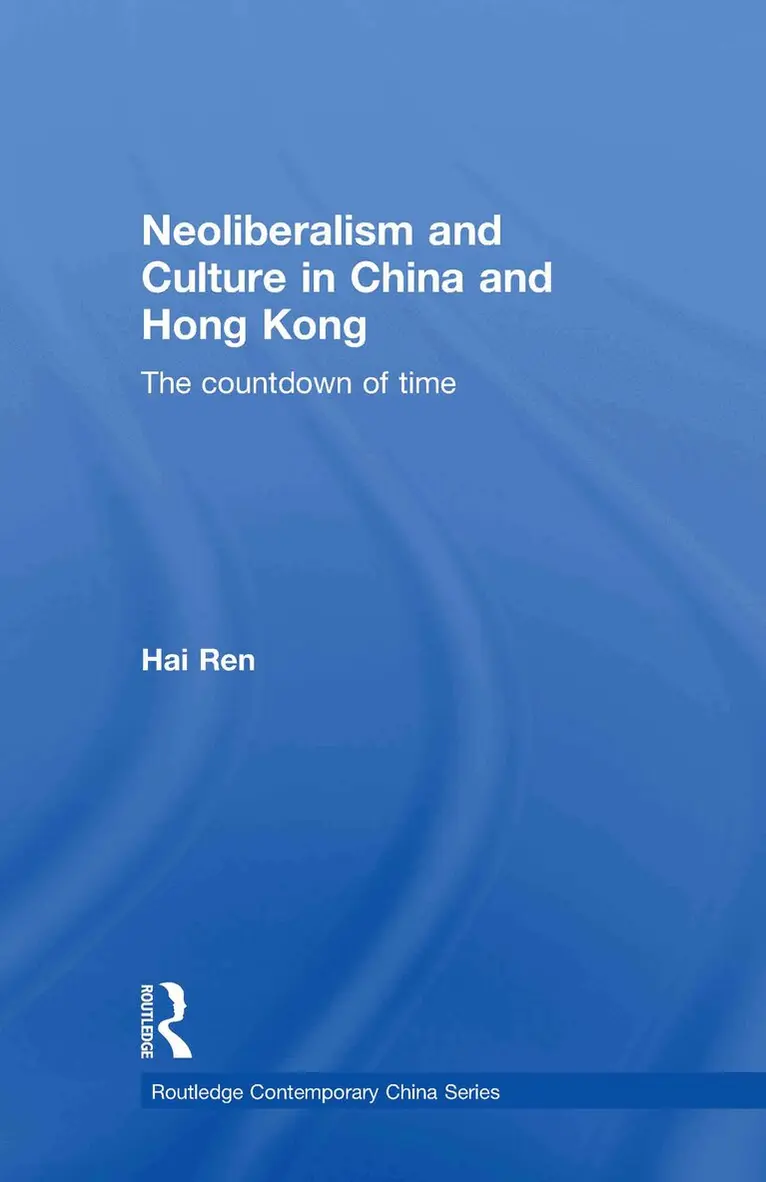
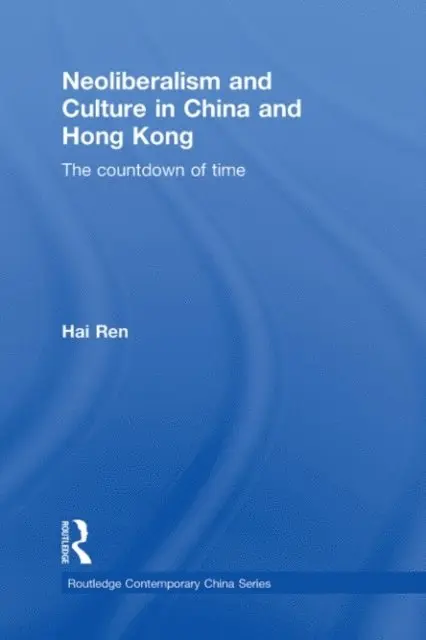
Neoliberalism and Culture in China and Hong Kong
The Countdown of Time
Av Hai Ren
Inbunden, 2010
2738 kr
Lägg i varukorg
This book examines the period leading up to the Hong Kong handover in 1997 - the 'countdown of time', and by using iconic cultural symbols such as the countdown clock, the Hong Kong Museum exhibitions and cultural heritage sites, argues that China has undergone a transition to neoliberal state, in …
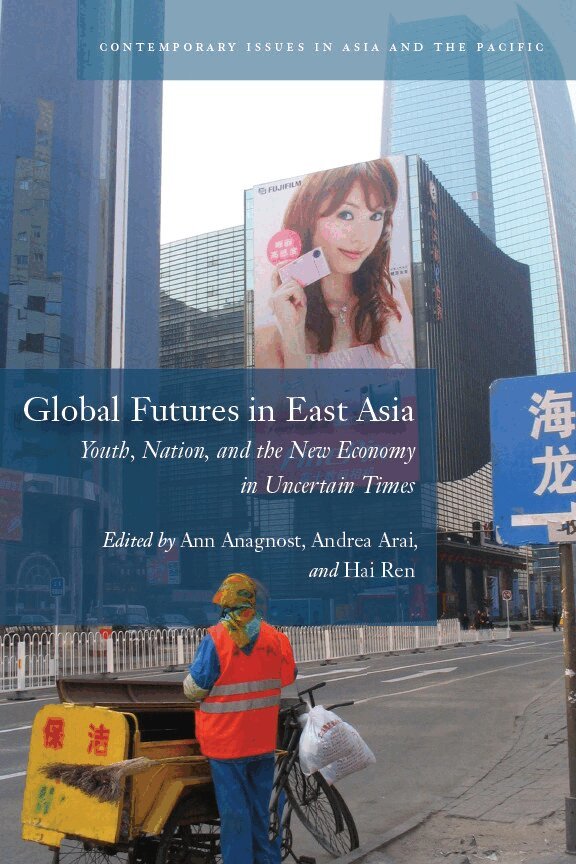
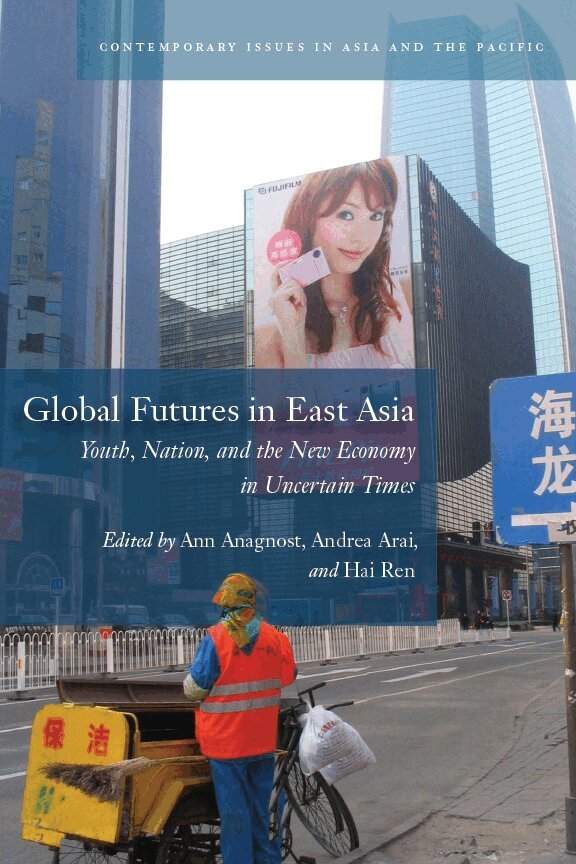
Global Futures in East Asia
Youth, Nation, and the New Economy in Uncertain Times
Av Ann Anagnost, Andrea Arai m. fl.
Inbunden, 2013
1459 kr
Lägg i varukorg
The East Asian economic miracle of the twentieth century is now a fond memory. What does it mean to be living in post-miracle times? For the youth of China, Taiwan, Japan, and South Korea, the opportunities and challenges of the neoliberal age, deeply shaped by global forces in labor markets, …
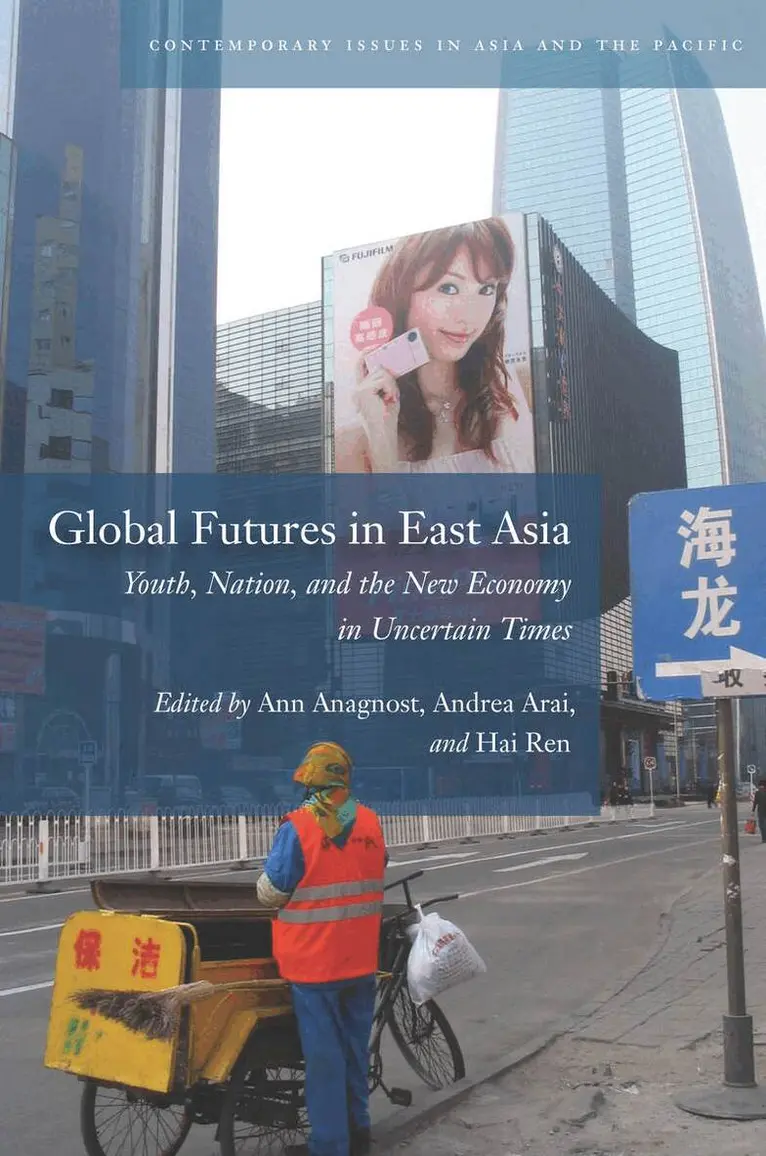
Global Futures in East Asia
Youth, Nation, and the New Economy in Uncertain Times
Av Ann Anagnost, Andrea Arai m. fl.
Häftad, 2013
342 kr
Lägg i varukorg
The East Asian economic miracle of the twentieth century is now a fond memory. What does it mean to be living in post-miracle times? For the youth of China, Taiwan, Japan, and South Korea, the opportunities and challenges of the neoliberal age, deeply shaped by global forces in labor markets, …
Global Futures in East Asia
Youth, Nation, and the New Economy in Uncertain Times
Av Ann Anagnost, Andrea Arai m. fl.
E-bok, 2013
416 kr
Lägg i varukorg
The East Asian economic miracle of the twentieth century is now a fond memory. What does it mean to be living in post-miracle times? For the youth of China, Taiwan, Japan, and South Korea, the opportunities and challenges of the neoliberal age, deeply shaped by global forces in labor markets, …
Middle Class in Neoliberal China
Governing Risk, Life-Building, and Themed Spaces
Av Hai Ren
E-bok, 2013
1074 kr
Lägg i varukorg
Since the late 1970s, China’s move towards neoliberalism has made it not only one of the world’s fastest growing economies, but also one of the most polarised states. This economic, social and political transformation has led to the emergence of a new Chinese middle class, and understanding the …
Middle Class in Neoliberal China
Governing Risk, Life-Building, and Themed Spaces
Av Hai Ren
E-bok, 2013
1074 kr
Lägg i varukorg
Since the late 1970s, China’s move towards neoliberalism has made it not only one of the world’s fastest growing economies, but also one of the most polarised states. This economic, social and political transformation has led to the emergence of a new Chinese middle class, and understanding the …
Neoliberalism and Culture in China and Hong Kong
The Countdown of Time
Av Hai Ren
E-bok, 2010
999 kr
Lägg i varukorg
This book examines the period leading up to the Hong Kong handover in 1997 - the ''countdown of time'', and by using iconic cultural symbols such as the countdown clock, the Hong Kong Museum exhibitions and cultural heritage sites, argues that China has undergone a transition to neoliberal state, …
Neoliberalism and Culture in China and Hong Kong
The Countdown of Time
Av Hai Ren
E-bok, 2010
977 kr
Lägg i varukorg
This book examines the period leading up to the Hong Kong handover in 1997 - the ''countdown of time'', and by using iconic cultural symbols such as the countdown clock, the Hong Kong Museum exhibitions and cultural heritage sites, argues that China has undergone a transition to neoliberal state, …
Middle Class in Neoliberal China
Governing Risk, Life-Building, and Themed Spaces
Av Hai Ren
Häftad, 2015
908 kr
Lägg i varukorg
Since the late 1970s, China’s move towards neoliberalism has made it not only one of the world’s fastest growing economies, but also one of the most polarised states. This economic, social and political transformation has led to the emergence of a new Chinese middle class, and understanding the …
Neoliberalism and Culture in China and Hong Kong
The Countdown of Time
Av Hai Ren
Häftad, 2015
821 kr
Lägg i varukorg
This book examines the period leading up to the Hong Kong handover in 1997 - the 'countdown of time', and by using iconic cultural symbols such as the countdown clock, the Hong Kong Museum exhibitions and cultural heritage sites, argues that China has undergone a transition to neoliberal state, in …
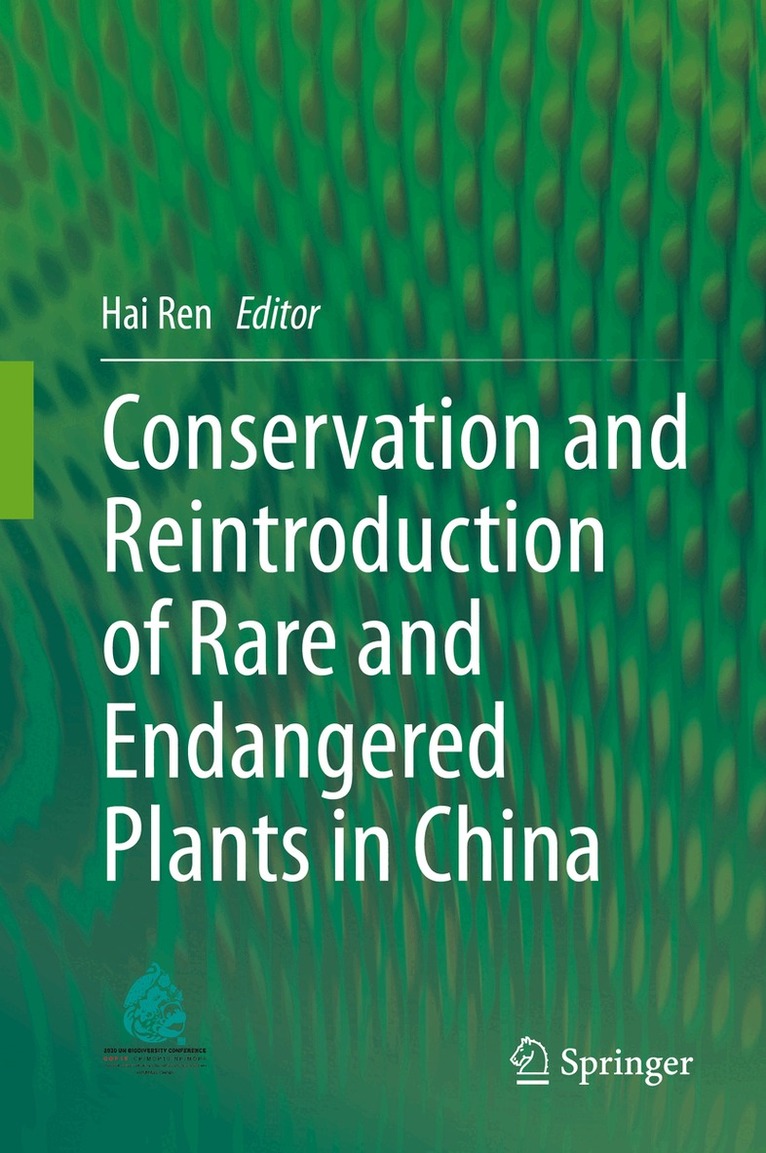
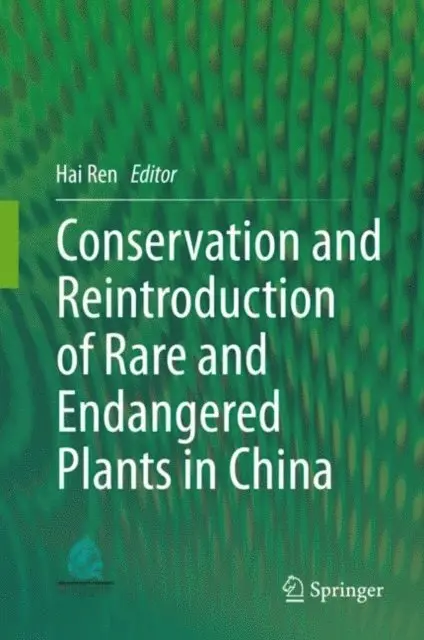
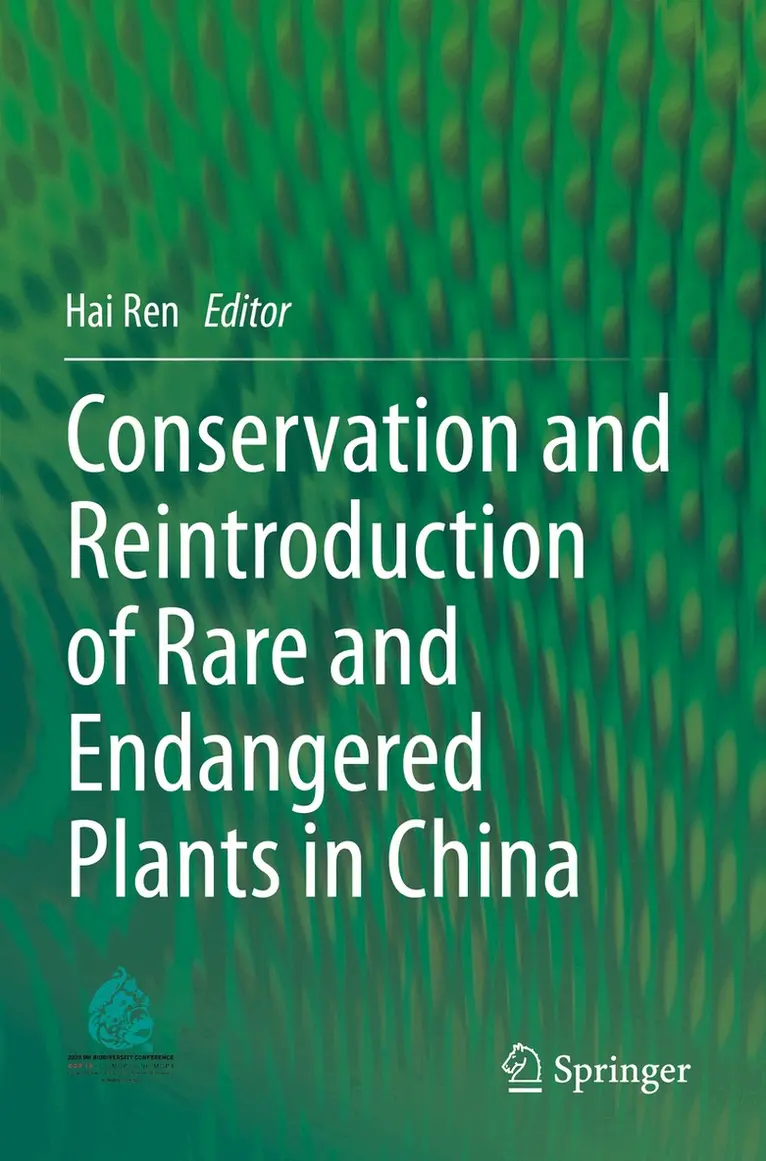
Conservation and Reintroduction of Rare and Endangered Plants in China
Av Hai Ren
Inbunden, 2020
1853 kr
Lägg i varukorg
The book offers a comprehensive review of the advances in conservation and the reintroduction of rare and endangered plants in China. It systematically discusses plant diversity, in situ and ex situ protection and plant reintroduction in China, including the reintroduction species list and orchid …
Conservation and Reintroduction of Rare and Endangered Plants in China
Av Hai Ren
E-bok, 2020
2437 kr
Lägg i varukorg
The book offers a comprehensive review of the advances in conservation and the reintroduction of rare and endangered plants in China. It systematically discusses plant diversity, in situ and ex situ protection and plant reintroduction in China, including the reintroduction species list and orchid …
Conservation and Reintroduction of Rare and Endangered Plants in China
Av Hai Ren
Häftad, 2021
1853 kr
Lägg i varukorg
The book offers a comprehensive review of the advances in conservation and the reintroduction of rare and endangered plants in China. It systematically discusses plant diversity, in situ and ex situ protection and plant reintroduction in China, including the reintroduction species list and orchid …