Hanna Schwander – författare
Visar alla böcker från författaren Hanna Schwander. Handla med fri frakt och snabb leverans.
7 produkter
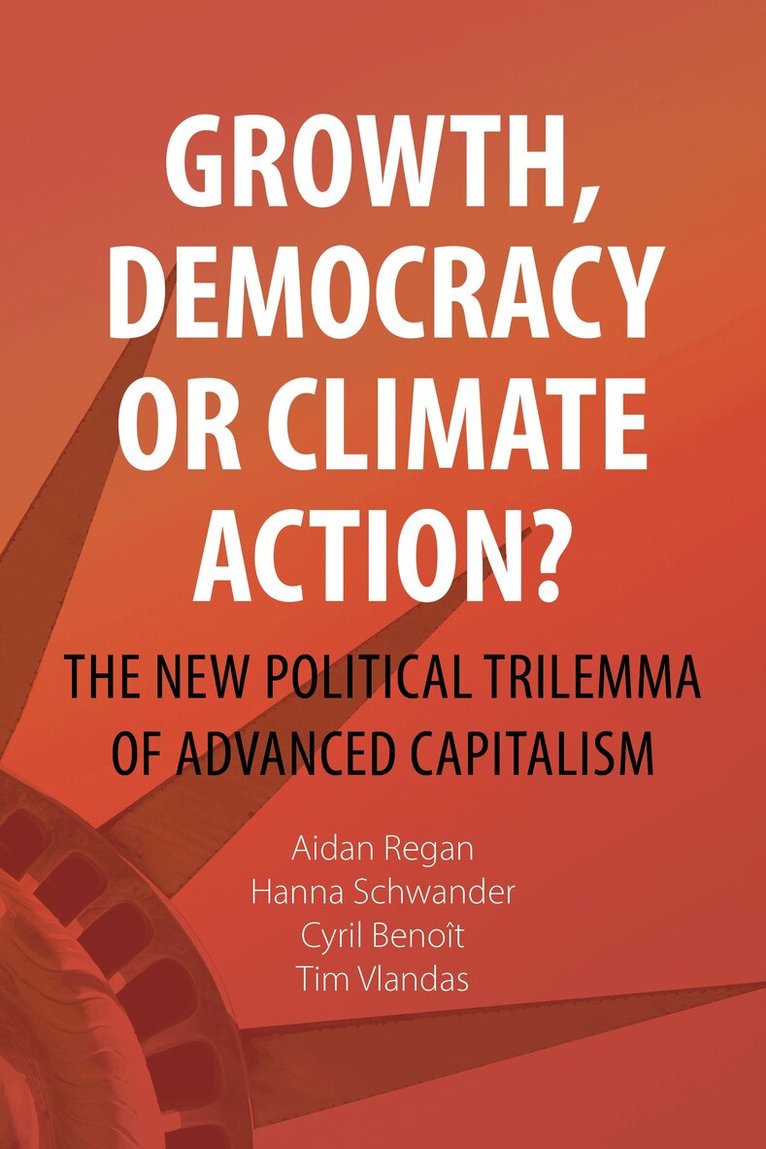
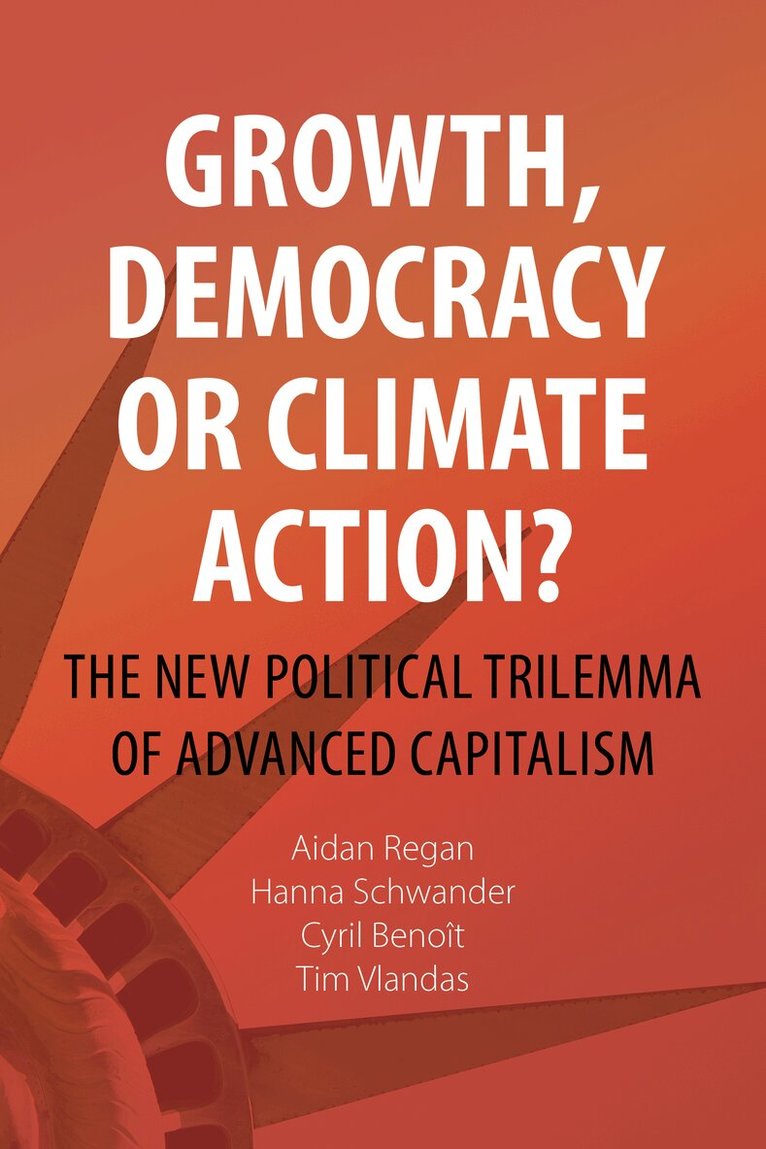
Growth, Democracy or Climate Action?
The New Political Trilemma of Advanced Capitalism
Av Aidan Regan, Hanna Schwander m. fl.
Häftad, 2026
338 kr
Lägg i varukorg
Governments face a conflicting choice between economic growth, democracy and tackling the climate crisis. They cannot achieve all three objectives simultaneously and the growing tensions between them are being played out in countries across the world. It is the new trilemma of advanced capitalist …
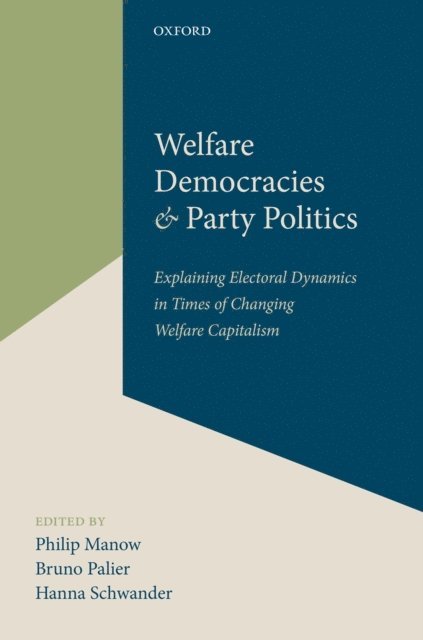
Welfare Democracies and Party Politics
Explaining Electoral Dynamics in Times of Changing Welfare Capitalism
Av Hanna Schwander, Bruno Palier m. fl.
E-bok, 2018
1448 kr
Lägg i varukorg
Europe''s political landscapes are in turmoil, and new radical parties challenge the established political order. This book locates Europe''s contemporary challenges within the longer economic and political trajectories of its ''welfare democracies''. The book argues that it is imperative to …
Welfare Democracies and Party Politics
Explaining Electoral Dynamics in Times of Changing Welfare Capitalism
Av Hanna Schwander, Bruno Palier m. fl.
E-bok, 2018
1448 kr
Lägg i varukorg
Europe''s political landscapes are in turmoil, and new radical parties challenge the established political order. This book locates Europe''s contemporary challenges within the longer economic and political trajectories of its ''welfare democracies''. The book argues that it is imperative to …
Welfare Democracies and Party Politics
Explaining Electoral Dynamics in Times of Changing Welfare Capitalism
Av Manow Et Al, Philip Manow m. fl.
Inbunden, 2018
2077 kr
Lägg i varukorg
Europe's political landscapes are in turmoil, and new radical parties challenge the established political order. This book locates Europe's contemporary challenges within the longer economic and political trajectories of its 'welfare democracies'. The book argues that it is imperative to understand …
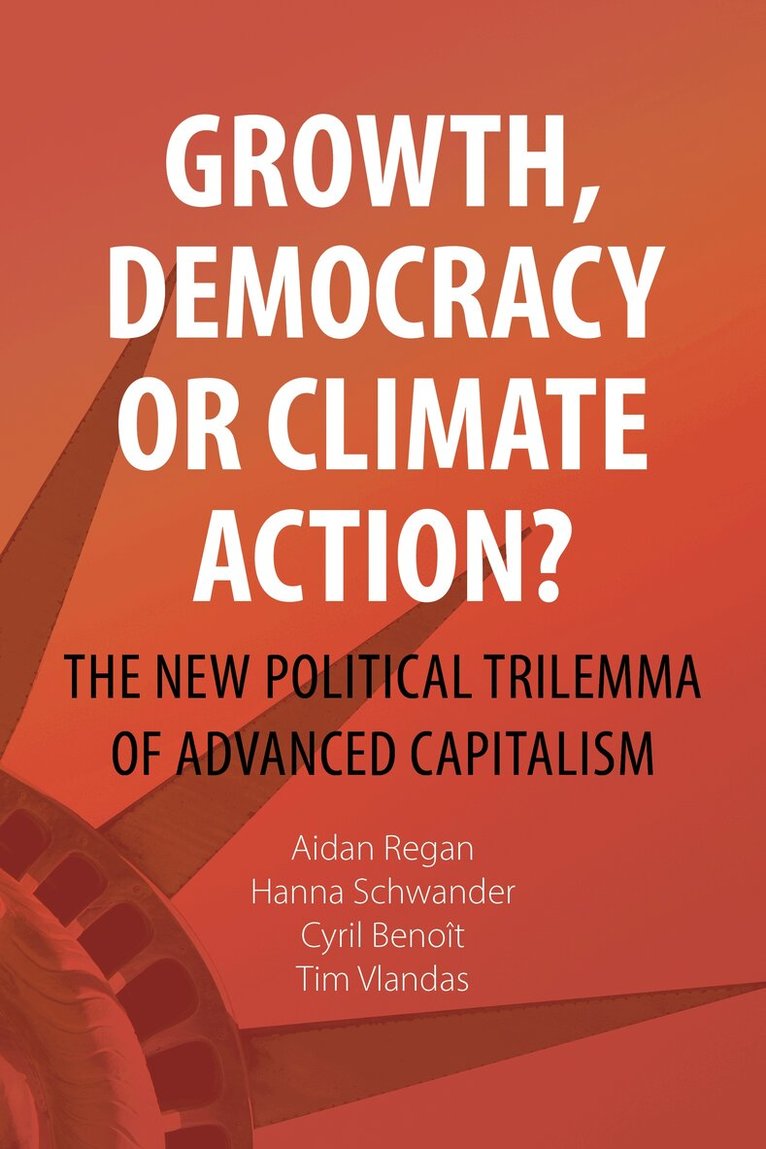
Growth, Democracy or Climate Action?
The New Political Trilemma of Advanced Capitalism
Av Aidan Regan, Hanna Schwander m. fl.
Inbunden, 2026
1265 kr
Lägg i varukorg
Governments face a conflicting choice between economic growth, democracy and tackling the climate crisis. They cannot achieve all three objectives simultaneously and the growing tensions between them are being played out in countries across the world. It is the new trilemma of advanced capitalist …
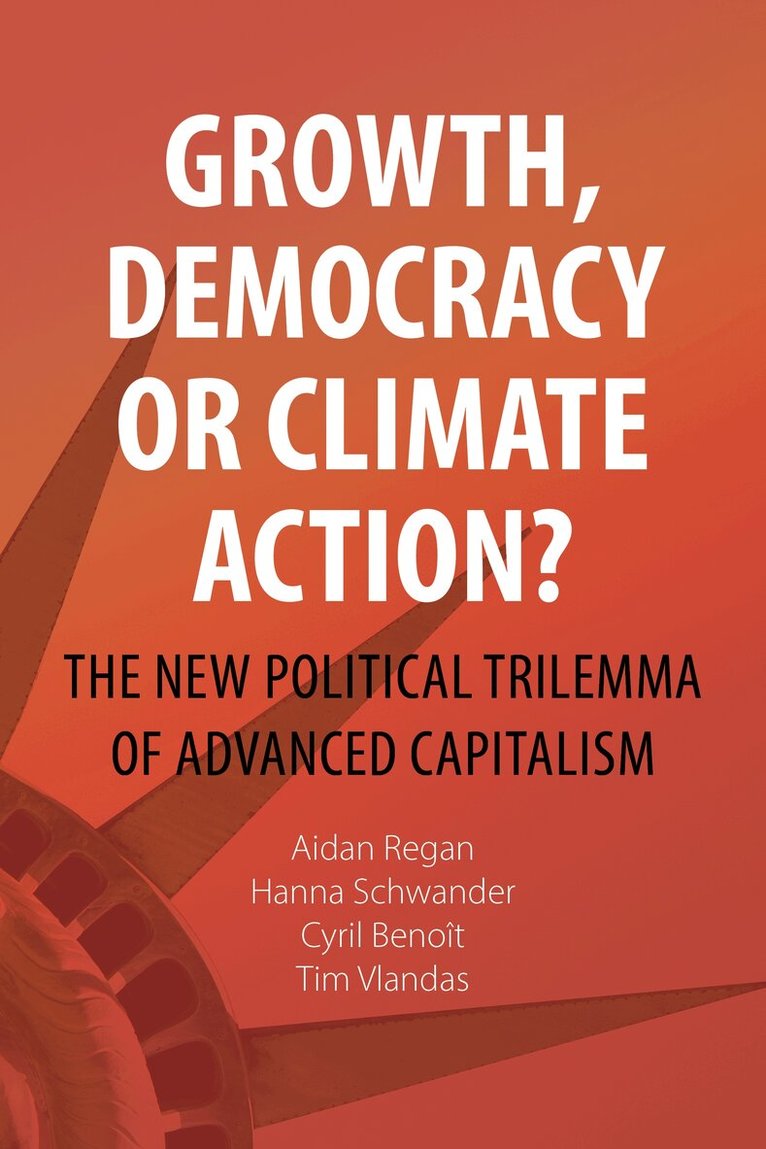
Growth, Democracy or Climate Action?
The New Political Trilemma of Advanced Capitalism
Av Aidan Regan, Hanna Schwander m. fl.
E-bok, 2026
408 kr
Lägg i varukorg
Governments face a conflicting choice between economic growth, democracy and tackling the climate crisis. They cannot achieve all three objectives simultaneously and the growing tensions between them are being played out in countries across the world. It is the new trilemma of advanced capitalist …
Growth, Democracy or Climate Action?
The New Political Trilemma of Advanced Capitalism
Av Aidan Regan, Hanna Schwander m. fl.
E-bok, 2026
408 kr
Lägg i varukorg
Governments face a conflicting choice between economic growth, democracy and tackling the climate crisis. They cannot achieve all three objectives simultaneously and the growing tensions between them are being played out in countries across the world. It is the new trilemma of advanced capitalist …