Hannah Field - Böcker
Visar alla böcker från författaren Hannah Field. Handla med fri frakt och snabb leverans.
6 produkter
6 produkter
724 kr
Skickas inom 10-15 vardagar
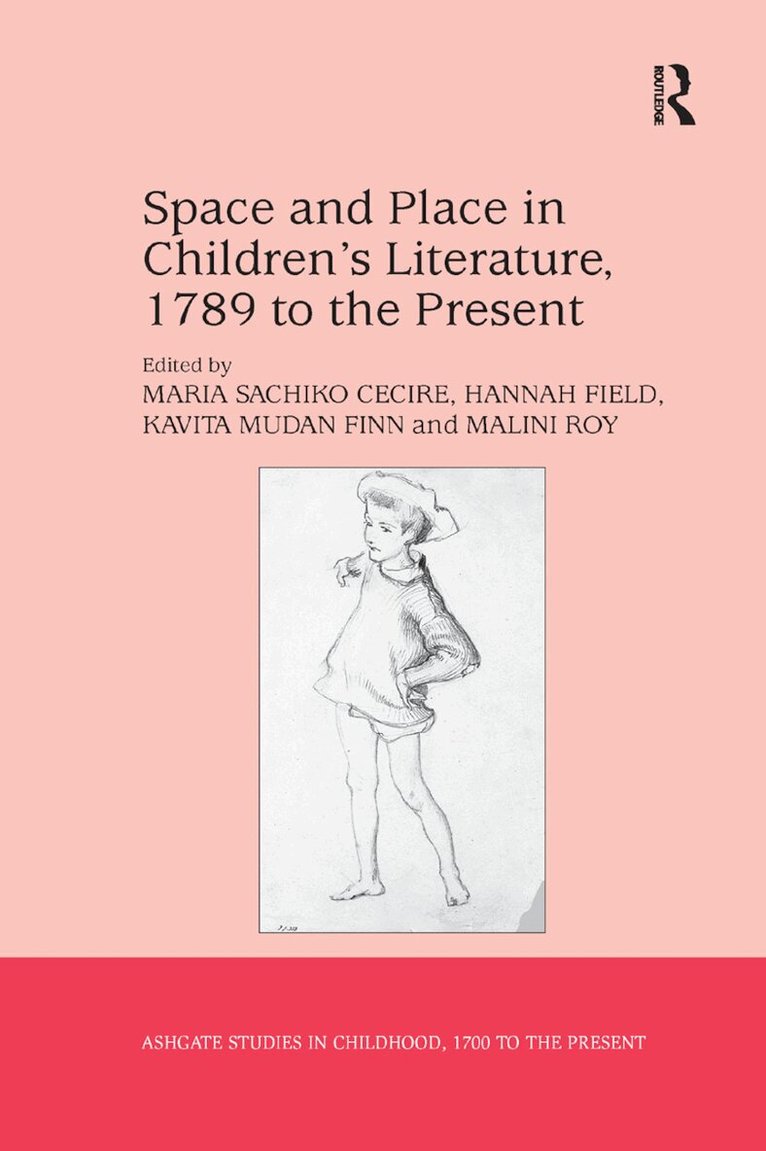
Focusing on questions of space and locale in children’s literature, this collection explores how metaphorical and physical space can create landscapes of power, knowledge, and identity in texts from the early nineteenth century to the present. The collection is comprised of four sections that take up the space between children and adults, the representation of 'real world' places, fantasy travel and locales, and the physical space of the children’s book-as-object. In their essays, the contributors analyze works from a range of sources and traditions by authors such as Sylvia Plath, Maria Edgeworth, Gloria Anzaldúa, Jenny Robson, C.S. Lewis, Elizabeth Knox, and Claude Ponti. While maintaining a focus on how location and spatiality aid in defining the child’s relationship to the world, the essays also address themes of borders, displacement, diaspora, exile, fantasy, gender, history, home-leaving and homecoming, hybridity, mapping, and metatextuality. With an epilogue by Philip Pullman in which he discusses his own relationship to image and locale, this collection is also a valuable resource for understanding the work of this celebrated author of children’s literature.
2 420 kr
Skickas inom 10-15 vardagar
Focusing on questions of space and locale in children’s literature, this collection explores how metaphorical and physical space can create landscapes of power, knowledge, and identity in texts from the early nineteenth century to the present. The collection is comprised of four sections that take up the space between children and adults, the representation of 'real world' places, fantasy travel and locales, and the physical space of the children’s book-as-object. In their essays, the contributors analyze works from a range of sources and traditions by authors such as Sylvia Plath, Maria Edgeworth, Gloria Anzaldúa, Jenny Robson, C.S. Lewis, Elizabeth Knox, and Claude Ponti. While maintaining a focus on how location and spatiality aid in defining the child’s relationship to the world, the essays also address themes of borders, displacement, diaspora, exile, fantasy, gender, history, home-leaving and homecoming, hybridity, mapping, and metatextuality. With an epilogue by Philip Pullman in which he discusses his own relationship to image and locale, this collection is also a valuable resource for understanding the work of this celebrated author of children’s literature.
1 457 kr
Skickas inom 7-10 vardagar
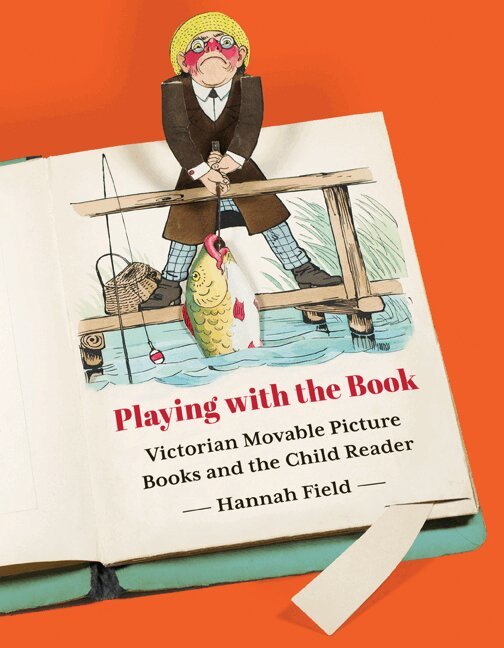
A beautifully illustrated exploration of how Victorian novelty picture books reshape the ways children read and interact with texts The Victorian era saw an explosion of novelty picture books with flaps to lift and tabs to pull, pages that could fold out, pop-up scenes, and even mechanical toys mounted on pages. Analyzing books for young children published between 1835 and 1914, Playing with the Book studies how these elaborately designed works raise questions not just about what books should look like but also about what reading is, particularly in relation to children’s literature and child readers. Novelty books promised (or threatened) to make reading a physical as well as intellectual activity, requiring the child to pull a tab or lift a flap to continue the story. These books changed the relationship between pictures, words, and format in both productive and troubling ways. Hannah Field considers these aspects of children’s reading through case studies of different formats of novelty and movable books and intensive examination of editions that have survived from the nineteenth century. She discovers that children ripped, tore, and colored in their novelty books-despite these books’ explicit instructions against such behaviors.Richly illustrated with images of these ingenious constructions, Playing with the Book argues that novelty books construct a process of reading that involves touch as well as sight, thus reconfiguring our understanding of the phenomenology of reading.
355 kr
Skickas inom 7-10 vardagar
A beautifully illustrated exploration of how Victorian novelty picture books reshape the ways children read and interact with texts The Victorian era saw an explosion of novelty picture books with flaps to lift and tabs to pull, pages that could fold out, pop-up scenes, and even mechanical toys mounted on pages. Analyzing books for young children published between 1835 and 1914, Playing with the Book studies how these elaborately designed works raise questions not just about what books should look like but also about what reading is, particularly in relation to children’s literature and child readers. Novelty books promised (or threatened) to make reading a physical as well as intellectual activity, requiring the child to pull a tab or lift a flap to continue the story. These books changed the relationship between pictures, words, and format in both productive and troubling ways. Hannah Field considers these aspects of children’s reading through case studies of different formats of novelty and movable books and intensive examination of editions that have survived from the nineteenth century. She discovers that children ripped, tore, and colored in their novelty books-despite these books’ explicit instructions against such behaviors.Richly illustrated with images of these ingenious constructions, Playing with the Book argues that novelty books construct a process of reading that involves touch as well as sight, thus reconfiguring our understanding of the phenomenology of reading.
155 kr
Skickas inom 3-6 vardagar
382 kr
Skickas inom 3-6 vardagar