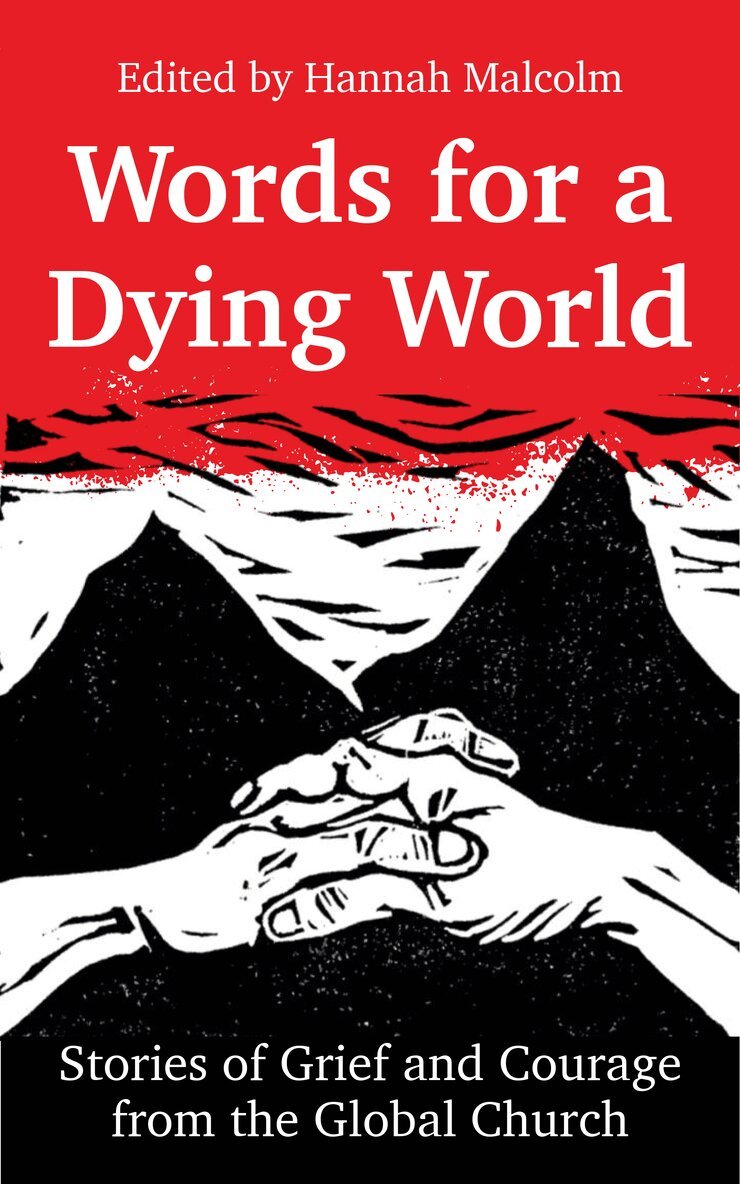
How do we talk about climate grief in the church? And when we have found the words, what do we do with that grief?There is a sudden and dramatic rise in people experiencing a profound sense of anxiety in the face of our dying planet, and a consequent need for churches to be better resourced pastorally and theologically to deal with this threat. Words for a Dying World brings together voices from across the world - from the Pacific islands to the pipelines of Canada, from farming communities in Namibia to activism in the UK.Author royalties from the sale of this book are split evenly between contributors. The majority will be pooled as a donation to ClientEarth. The remainder will directly support the communities represented in this collection.Contributors include Anderson Jeremiah, Azariah France-Williams, David Benjamin Blower, Holly-Anna Petersen, Isabel Mukonyora, Jione Havea, and Maggi Dawn.
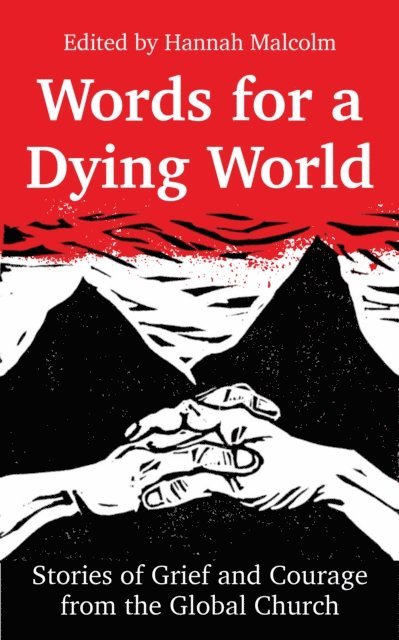
How do we talk about climate grief in the church? And when we have found the words, what do we do with that grief?There is a sudden and dramatic rise in people experiencing a profound sense of anxiety in the face of our dying planet, and a consequent need for churches to be better resourced pastorally and theologically to deal with this threat.Words for a Dying World brings together voices from across the world - from the Pacific islands to the pipelines of Canada, from farming communities in Namibia to activism in the UK.Author royalties from the sale of this book are split evenly between contributors. The majority will be pooled as a donation to ClientEarth. The remainder will directly support the communities represented in this collection.Contributors include Anderson Jeremiah, Azariah France-Williams, David Benjamin Blower, Holly-Anna Petersen, Isabel Mukonyora, Jione Havea, and Maggi Dawn.
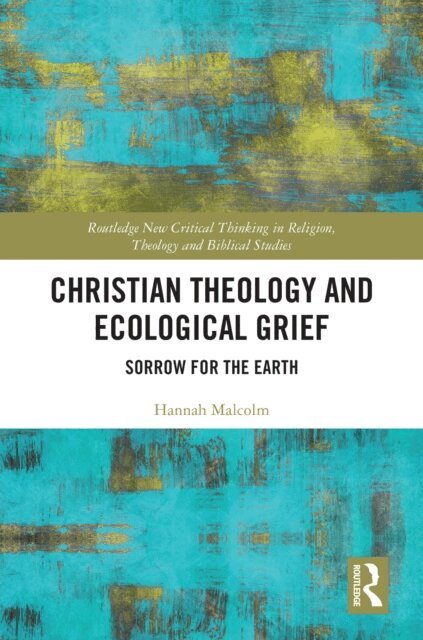
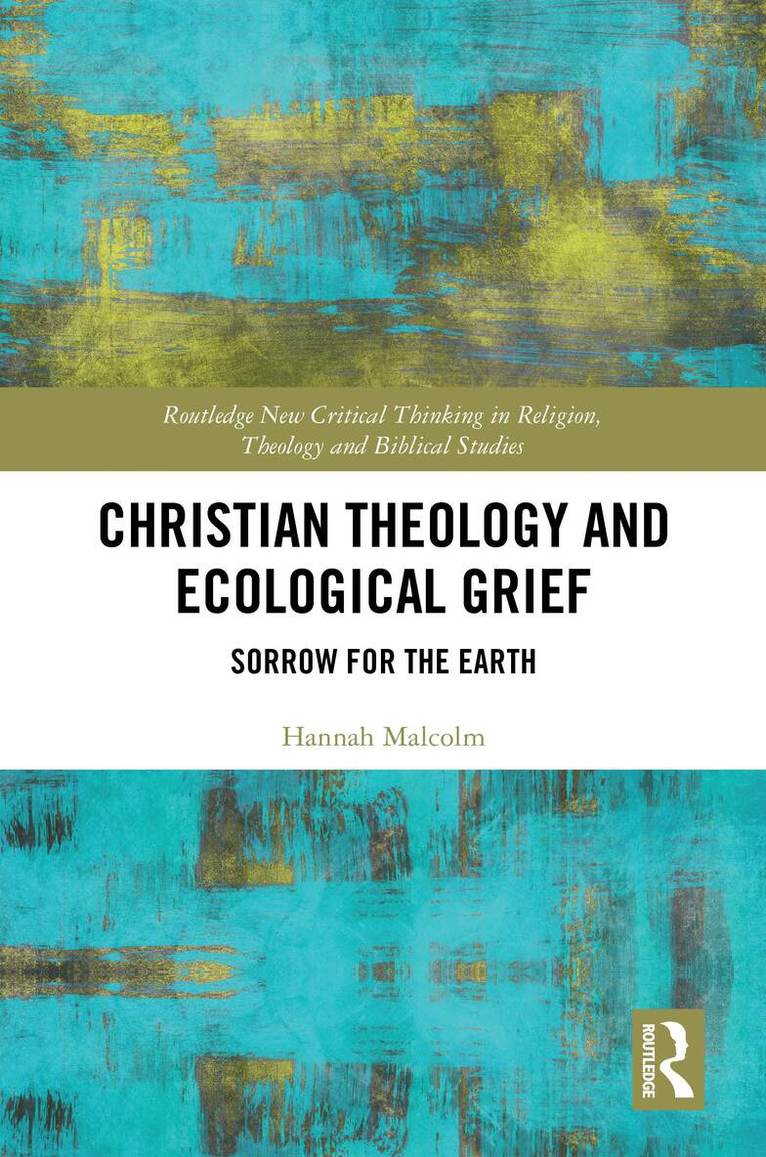
This book invites the Christian tradition to participate in an urgent and rapidly developing area of enquiry: the significance of human feeling in a time of climate crisis and global ecological collapse. The author turns, in particular, to climate and ecological grief and mourning, proposing that the theological frame of sorrow helps illuminate the moral and political weight of such experiences. This book introduces four ways that Christian theology has thought about the passion of sorrow, each providing a touchpoint for approaching anthropogenic loss: love, moral formation, compassion, and resistance. The author argues for the particular theological significance of human feeling towards non-human creatures, proposing that sorrow reflects human knowledge of creation as a gift; other creatures offer themselves to us and demand that we human creatures offer ourselves in response. When sorrow for the earth is therefore offered in prayer and in public, it not only helps us to see non-human creatures with new eyes but also radically reimagines our understanding of what it means to be human. This volume will be of particular interest to scholars of theology, religion, and the environment.