Hannah Partis-Jennings - Böcker
Visar alla böcker från författaren Hannah Partis-Jennings. Handla med fri frakt och snabb leverans.
4 produkter
4 produkter
560 kr
Skickas inom 10-15 vardagar
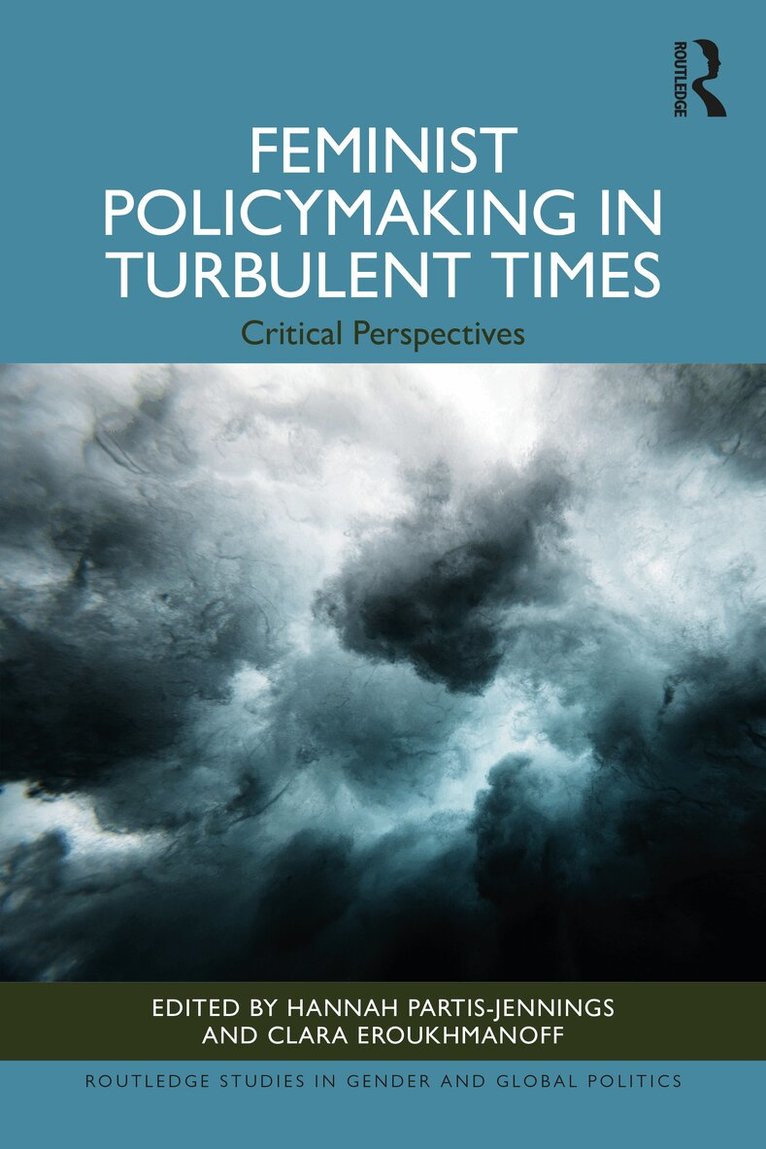
Feminist Policymaking in Turbulent Times offers a unique and timely reflection of the critical debates around the institutionalisation of feminist and gender-focused ideas and norms into policy.Many states and non-governmental organisations are increasingly invested in ‘feminist policymaking’ at the domestic and international levels. Yet, this liberal (feminist) agenda is also vastly disputed by critical, intersectional, and decolonial voices on the one hand, and by anti-gender movements around the world on the other hand. Indeed, while opposition to ‘gender ideology’ is mounting from reactionary, religious, and secular forces, feminist policymaking is also being challenged in important ways from within. Thus, this book situates feminist policymaking in a challenging and ‘turbulent’ global context. This book explores feminist policymaking in multiple areas of policy, examining various gender-focused programmes that states and international organisations have undertaken in the last decade, offering critical interventions and rethinking the relationship between feminism and policy. This book not only reflects on the advances of feminist policymaking globally but also critically assesses the intersectional challenges embedded within it and lying ahead. It moves the field forward by creating opportunities, based on lived experiences, for re-imagining the transformative potential of the nexus between feminism and policymaking. Interdisciplinary in scope and bringing to the fore the voices of both academics and practitioners, this book is the product of an international collaboration, forging links and dialogue that are increasingly necessary to question some of the exclusionary, militaristic, and hierarchical assumptions of policymaking which is labelled as feminist.Feminist Policymaking in Turbulent Times will be of interest to all scholars, students, and practitioners interested in the role of gender in policymaking and concerned with contestations around gender-focused projects.
2 096 kr
Skickas inom 10-15 vardagar
Feminist Policymaking in Turbulent Times offers a unique and timely reflection of the critical debates around the institutionalisation of feminist and gender-focused ideas and norms into policy.Many states and non-governmental organisations are increasingly invested in ‘feminist policymaking’ at the domestic and international levels. Yet, this liberal (feminist) agenda is also vastly disputed by critical, intersectional, and decolonial voices on the one hand, and by anti-gender movements around the world on the other hand. Indeed, while opposition to ‘gender ideology’ is mounting from reactionary, religious, and secular forces, feminist policymaking is also being challenged in important ways from within. Thus, this book situates feminist policymaking in a challenging and ‘turbulent’ global context. This book explores feminist policymaking in multiple areas of policy, examining various gender-focused programmes that states and international organisations have undertaken in the last decade, offering critical interventions and rethinking the relationship between feminism and policy. This book not only reflects on the advances of feminist policymaking globally but also critically assesses the intersectional challenges embedded within it and lying ahead. It moves the field forward by creating opportunities, based on lived experiences, for re-imagining the transformative potential of the nexus between feminism and policymaking. Interdisciplinary in scope and bringing to the fore the voices of both academics and practitioners, this book is the product of an international collaboration, forging links and dialogue that are increasingly necessary to question some of the exclusionary, militaristic, and hierarchical assumptions of policymaking which is labelled as feminist.Feminist Policymaking in Turbulent Times will be of interest to all scholars, students, and practitioners interested in the role of gender in policymaking and concerned with contestations around gender-focused projects.
1 886 kr
Skickas inom 3-6 vardagar
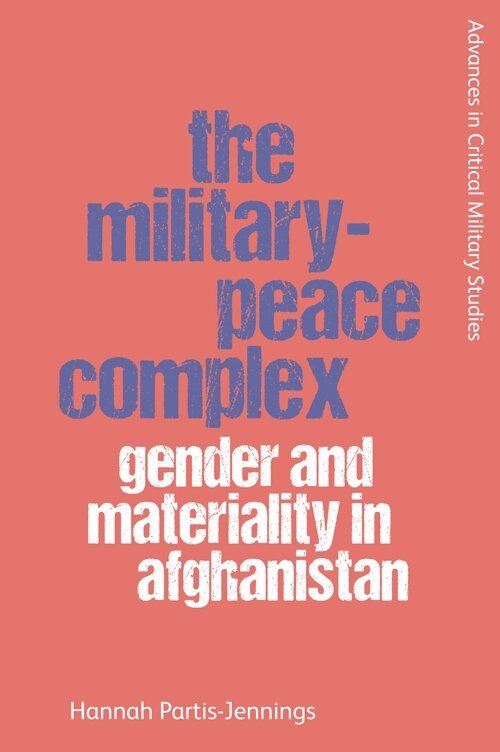
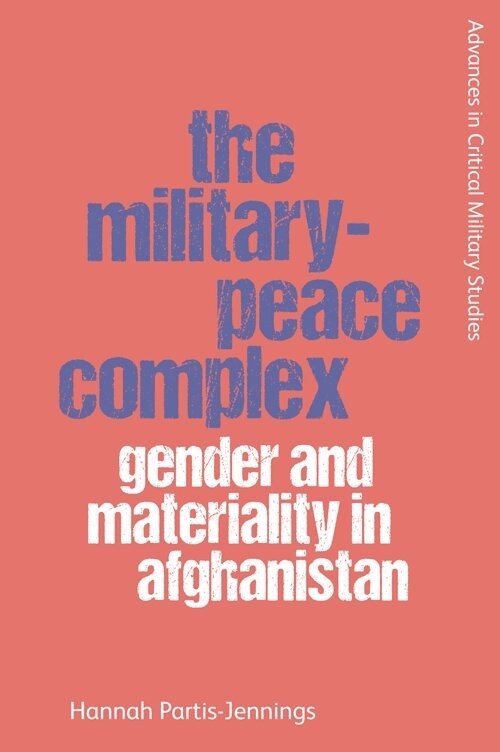
Exploring the physical, embodied landscape of the military-peace complex in AfghanistanThis book focuses on the military and statebuilding components of the international project in Afghanistan since 2001. It posits and discusses the military-peace complex as a framework through which to understand the international project in Afghanistan, pointing to the sliding together and collapse between military and peace actors, mandates and ideational frameworks. Arguing that military and peace work in the liberal mode cannot be logically separated, but rather are co-constituted and operate in a dynamic relationship to each other with fluid and shifting boundaries, the book focuses on the role of gender within the logics of the international project in Afghanistan, as well as exploring material and spatial entanglements and cross-cutting logics.Based on original interviews and wider research the book offers a holistic way of viewing the international project in Afghanistan, drawing attention to its under-noticed elements and providing a new way of understanding its politics.
496 kr
Skickas inom 3-6 vardagar
Exploring the physical, embodied landscape of the military-peace complex in AfghanistanBased on original research and interviewsArticulates and explores the notion of a military-peace complex as a framework to understand intervention practices in AfghanistanOffers a holistic account of the international project in Afghanistan Pays attention to under-studied aspects of the international project in Afghanistan including the everyday, gendered and material dynamics that shape itThis book focuses on the military and statebuilding components of the international project in Afghanistan since 2001. It posits and discusses the military-peace complex as a framework through which to understand the international project in Afghanistan, pointing to the sliding together and collapse between military and peace actors, mandates and ideational frameworks. Arguing that military and peace work in the liberal mode cannot be logically separated, but rather are co-constituted and operate in a dynamic relationship to each other with fluid and shifting boundaries, the book focuses on the role of gender within the logics of the international project in Afghanistan, as well as exploring material and spatial entanglements and cross-cutting logics.Based on original interviews and wider research the book offers a holistic way of viewing the international project in Afghanistan, drawing attention to its under-noticed elements and providing a new way of understanding its politics.