Hannah Weaver - Böcker
Visar alla böcker från författaren Hannah Weaver. Handla med fri frakt och snabb leverans.
2 produkter
2 produkter
650 kr
Skickas inom 10-15 vardagar
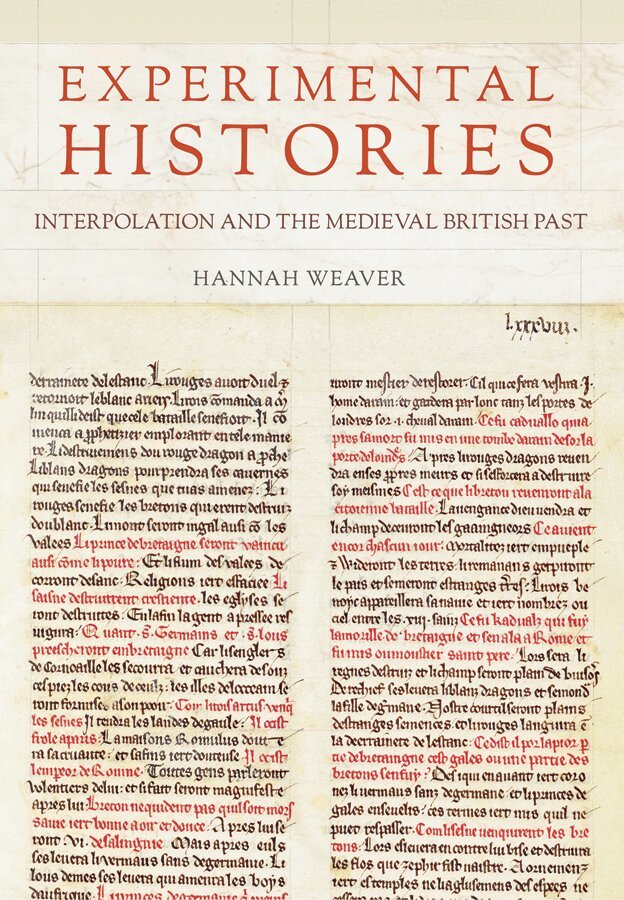
In Experimental Histories, Hannah Weaver examines the medieval practice of interpolation—inserting material from one text into another—which is often categorized as being a problematic, inauthentic phenomenon akin to forgery and pseudepigraphy. Instead, Weaver promotes interpolation as the signature form of medieval British historiography and a vehicle of historical theory, arguing that some of the most novel concepts of time in medieval historiography can be found in these altered narratives of the past.For Weaver, historiographical interpolation constitutes the traces of active experimentation with how best to write history, particularly the history of Britain. Historians in twelfth- and thirteenth-century Britain recognized the difficulty of enfolding complex events into a linear chronology and embraced innovative textual methods of creating history. Focusing on the Brut tradition but also analyzing the long history of interpolated historiography, including the Bayeux Embroidery, Experimental Histories offers a new interpretation of generic remixing in medieval writing about the past. Drawing on both manuscript studies and the new formalism, it shows that the practice of inserting materials from romance and hagiography allowed creative revisers to explore how lived events relate to passing time. By embracing interpolation, Weaver provides lively insights into the ways that time becomes history and human actors experience time.
1 833 kr
Skickas inom 7-10 vardagar
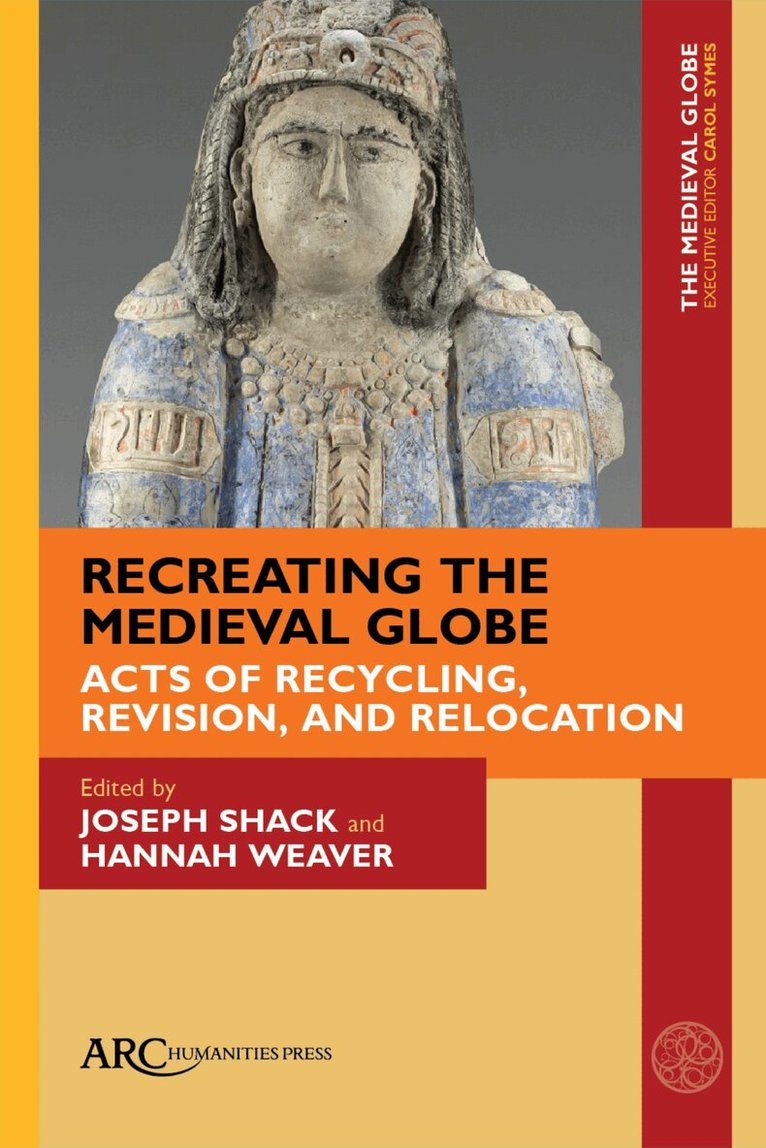
The creative reuse of materials, texts, and ideas was a common phenomenon in the medieval world. The seven chapters offer here a synchronic and diachronic consideration of the receptions and meanings of events and artifacts, analyzing the processes that allowed medieval works to remain relevant in sociocultural contexts far removed from those in which they originated. In the process, they elucidate the global valences of recycling, revision, and relocation throughout the interconnected Middle Ages, and their continued relevance for the shaping of modernity. The essays examine cases in the Arab and Muslim world, China and Mongolia, and the Prussian-Lithuanian frontier of eastern Europe.