Hannes Stubbe – författare
Visar alla böcker från författaren Hannes Stubbe. Handla med fri frakt och snabb leverans.
4 produkter
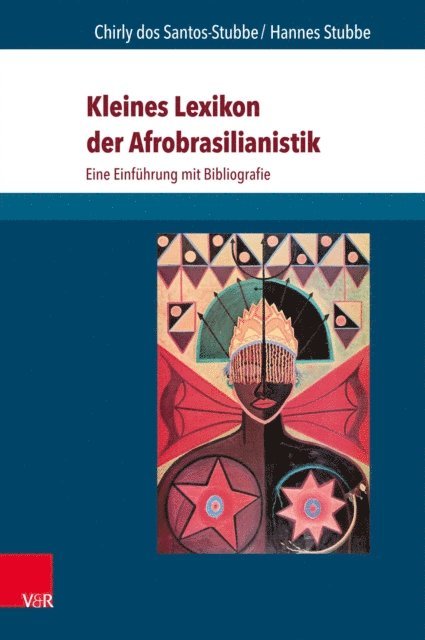
Kleines Lexikon der Afrobrasilianistik
Eine Einführung mit Bibliografie
Av Hannes Stubbe, Chirly dos Santos-Stubbe
E-bok, 2014
805 kr
Lägg i varukorg
This innovative, richly illustrated lexicon of Afro-Brazilian studies with an abundant scientific-historical bibliography sheds light on all the essential aspects of the culture, history, and social, economic and psychosocial situation of Afro-Brazilians in the past and present.
Sigmund Freuds »Totem und Tabu« in Mosambik
Eine psychologie-historische Studie. E-BOOK
E-bok, 2009
481 kr
Lägg i varukorg
Ausgangspunkt dieser Studie ist die Entdeckung einer frühen ethnopsychoanalytischen Schrift über den »Stammes-Totemismus im Distrikt von Inhambane« von Arnaldo Melo Sequeira (1934). Dieser Aufsatz orientiert sich eng an Sigmund Freuds ›Totem und Tabu‹ von 1912 / 13 und versucht, die darin …
Goa and Portugal: History and Development (XCHR Studies Series No. 10)
Av Hannes Stubbe, Oscar G. Pereira m. fl.
E-bok, 2000
991 kr
Lägg i varukorg
Goa and Portugal: History and Development is the 10 publication in the XCHR Studies Series. This present volume is a collection of the 31 papers presented by renowned scholars from India, Portugal, Germany, Italy and Canada at the 2 International Conference in the series "Goa and Portugal" held in …