Hans-Friedrich Mueller – författare
Visar alla böcker från författaren . Handla med fri frakt och snabb leverans.
5 produkter
5 produkter
E-bok
Engelska, 2009211 kr
Läs direkt efter köp
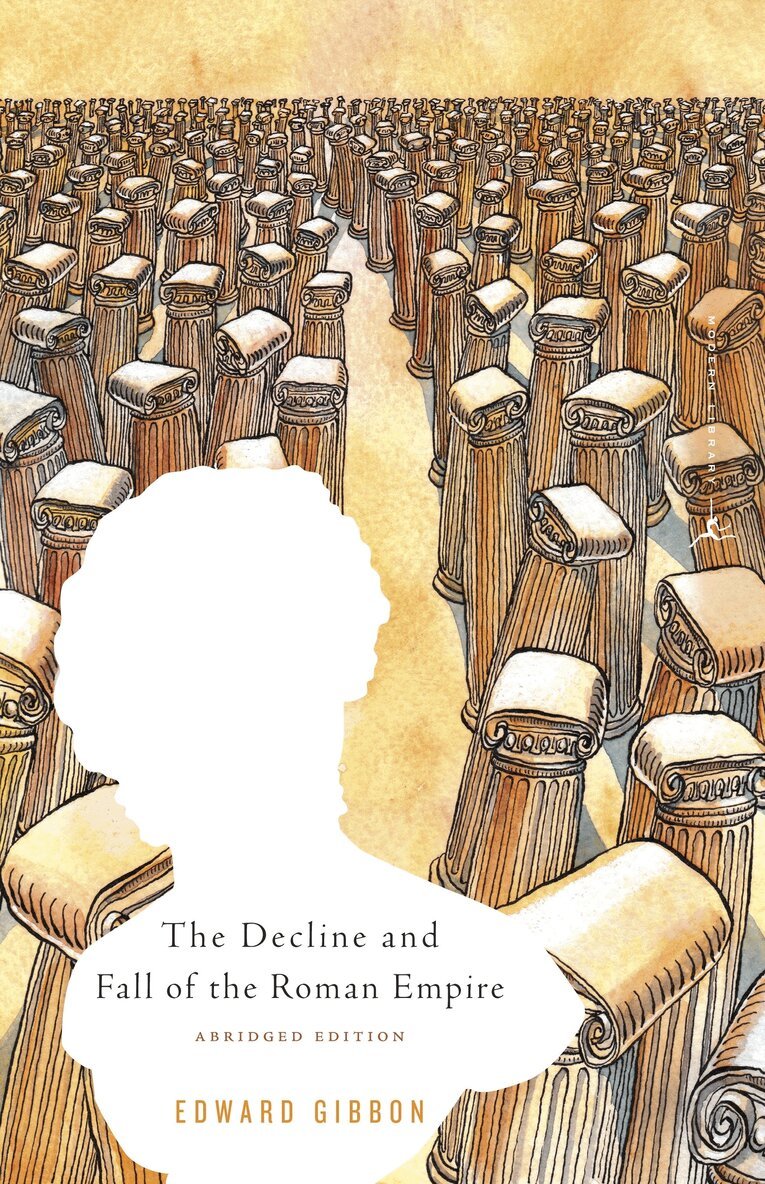
Edited, abridged, and with a critical Foreword by Hans-Friedrich Mueller Introduction by Daniel J. Boorstin Illustrations by Giovanni Battista PiranesiEdward Gibbon’s masterpiece, which narrates the history of the Roman Empire from the second century A.D. to its collapse in the west in the fifth century and in the east in the fifteenth century, is widely considered the greatest work of history ever written. This abridgment retains the full scope of the original, but in a breadth comparable to a novel. Casual readers now have access to the full sweep of Gibbon’s narrative, while instructors and students have a volume that can be read in a single term. This unique edition emphasizes elements ignored in all other abridgments—in particular the role of religion in the empire and the rise of Islam.
Inbunden, Engelska, 2002
3 189 kr
Skickas inom 3-6 vardagar
DID THE GODS OF ROME CARE ABOUT PERSONAL MORALITY? Valerius Maximus was an indefatigable collector of historical anecdotes illustrating vice and virtue; his Memorable Deeds and Sayings are unparalleled as a source for the opinions of Romans in the early empire on a vast range of subjects. Mueller’s study focuses on what Valerius can tell us about contemporary Roman attitudes to religion, attacking several orthodoxies along the way. He argues that Roman religion could be deeply emotional, that it was possible to believe passionately in the divinity of the emperor – even when, like Tiberius, he was still alive – and that Rome’s gods and religious rituals had an important role in fostering conventional morality. The study further explores elements of ancient rhetoric, Roman historiography, and Tiberian Rome. The fact that Valerius was a contemporary of Jesus means his work is also valuable in reflecting the attitudes and beliefs of the ruling class to which Christ and his followers were politically subject, and which formed the background to the growth and persecution of Christianity.
Häftad, Engelska, 2012
945 kr
Skickas inom 10-15 vardagar
Valerius Maximus was an indefatigable collector of historical anecdotes illustrating vice and virtue. Mueller focuses on what Valerius can tell us about Roman attitudes to religion, and argues that Roman religion could be deeply emotional.
E-bok
Engelska, 20021 121 kr
Läs direkt efter köp
DID THE GODS OF ROME CARE ABOUT PERSONAL MORALITY? Valerius Maximus was an indefatigable collector of historical anecdotes illustrating vice and virtue; his Memorable Deeds and Sayings are unparalleled as a source for the opinions of Romans in the early empire on a vast range of subjects. Mueller’s study focuses on what Valerius can tell us about contemporary Roman attitudes to religion, attacking several orthodoxies along the way. He argues that Roman religion could be deeply emotional, that it was possible to believe passionately in the divinity of the emperor – even when, like Tiberius, he was still alive – and that Rome’s gods and religious rituals had an important role in fostering conventional morality. The study further explores elements of ancient rhetoric, Roman historiography, and Tiberian Rome. The fact that Valerius was a contemporary of Jesus means his work is also valuable in reflecting the attitudes and beliefs of the ruling class to which Christ and his followers were politically subject, and which formed the background to the growth and persecution of Christianity.
E-bok
PDF, Engelska, 20021 121 kr
Läs direkt efter köp
DID THE GODS OF ROME CARE ABOUT PERSONAL MORALITY? Valerius Maximus was an indefatigable collector of historical anecdotes illustrating vice and virtue; his Memorable Deeds and Sayings are unparalleled as a source for the opinions of Romans in the early empire on a vast range of subjects. Mueller’s study focuses on what Valerius can tell us about contemporary Roman attitudes to religion, attacking several orthodoxies along the way. He argues that Roman religion could be deeply emotional, that it was possible to believe passionately in the divinity of the emperor – even when, like Tiberius, he was still alive – and that Rome’s gods and religious rituals had an important role in fostering conventional morality. The study further explores elements of ancient rhetoric, Roman historiography, and Tiberian Rome. The fact that Valerius was a contemporary of Jesus means his work is also valuable in reflecting the attitudes and beliefs of the ruling class to which Christ and his followers were politically subject, and which formed the background to the growth and persecution of Christianity.