Hans-Henning Schröder - Böcker
Visar alla böcker från författaren Hans-Henning Schröder. Handla med fri frakt och snabb leverans.
2 produkter
2 produkter
753 kr
Skickas inom 10-15 vardagar
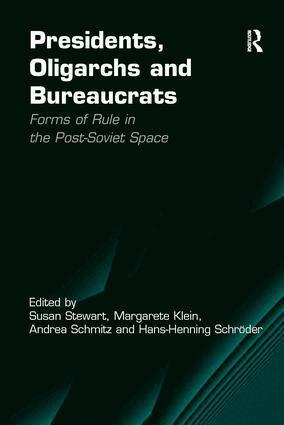
Over the last decade the "transition paradigm", which is based on the conviction that authoritarian political systems would over time necessarily develop into democracies, has been subjected to serious criticism. The complex political and societal developments in the post-Soviet region in particular have exposed flaws in the claim that a shift from authoritarianism to democracy is inevitable. Using case studies from the post-Soviet region, a broad range of international contributors present an original and innovative contribution to the debate. They explore the character of post-Soviet regimes and review the political transformations they have experienced since the end of the Cold War. Through a combination of theoretical approaches and detailed, empirical analysis the authors highlight the difficulties and benefits of applying the concepts of hybrid regimes, competitive authoritarianism and neopatrimonialism to the countries of the post-Soviet space. Through this in-depth approach the authors demonstrate how "Presidents, Oligarchs and Bureaucrats" in the region lead their countries, examine the sources of their legitimacy and their relationship to the societies they govern and advance the general theoretical debate on regime change and transition paths.
2 155 kr
Skickas inom 10-15 vardagar
Over the last decade the "transition paradigm", which is based on the conviction that authoritarian political systems would over time necessarily develop into democracies, has been subjected to serious criticism. The complex political and societal developments in the post-Soviet region in particular have exposed flaws in the claim that a shift from authoritarianism to democracy is inevitable. Using case studies from the post-Soviet region, a broad range of international contributors present an original and innovative contribution to the debate. They explore the character of post-Soviet regimes and review the political transformations they have experienced since the end of the Cold War. Through a combination of theoretical approaches and detailed, empirical analysis the authors highlight the difficulties and benefits of applying the concepts of hybrid regimes, competitive authoritarianism and neopatrimonialism to the countries of the post-Soviet space. Through this in-depth approach the authors demonstrate how "Presidents, Oligarchs and Bureaucrats" in the region lead their countries, examine the sources of their legitimacy and their relationship to the societies they govern and advance the general theoretical debate on regime change and transition paths.