Harald Jähner - Böcker
Visar alla böcker från författaren Harald Jähner. Handla med fri frakt och snabb leverans.
12 produkter
12 produkter
89 kr
Skickas
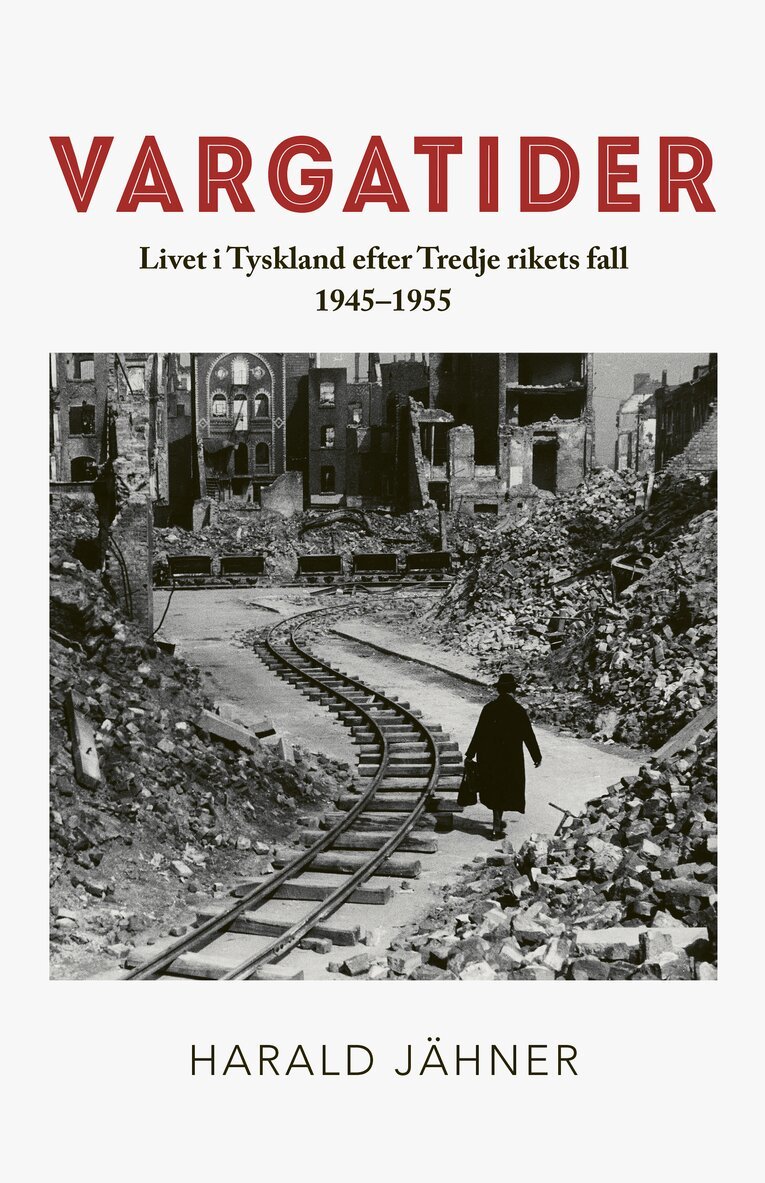
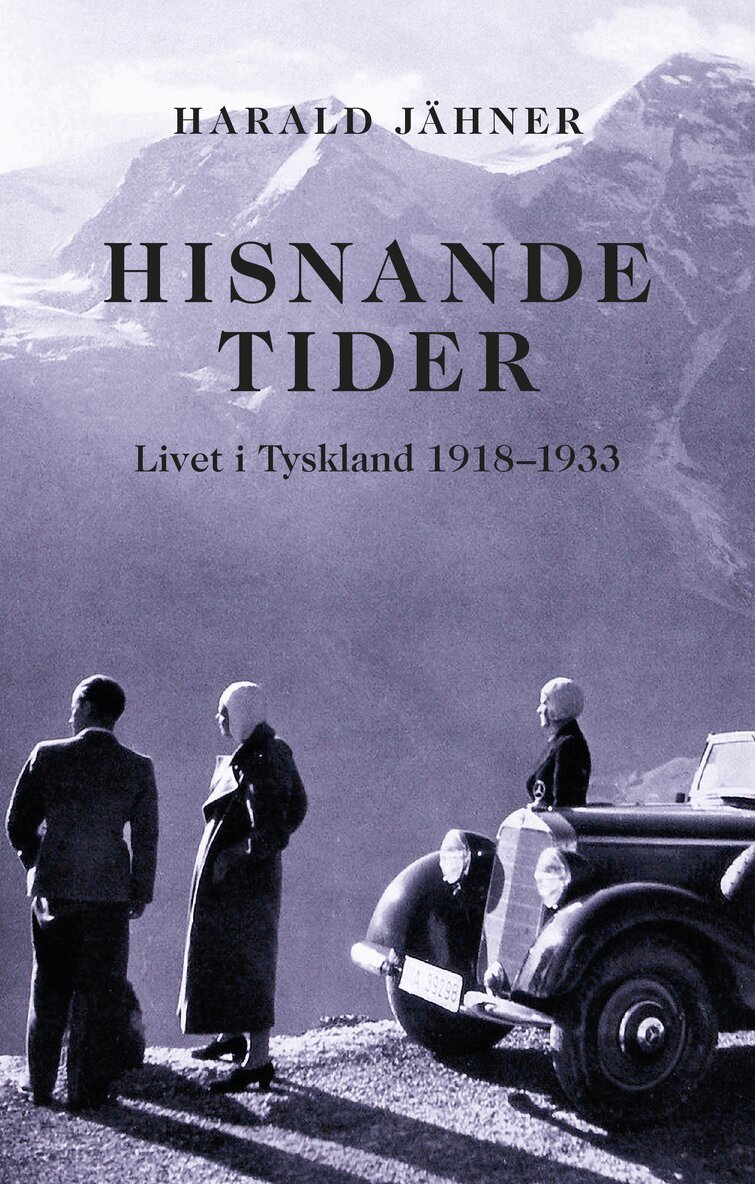
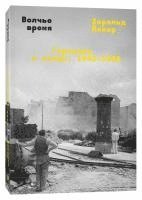
Weimarrepubliken föddes i november 1918 ur första världskrigets aska och under hot om revolution. Den gav Tyskland landets första demokratiska regering, men kom bara att bestå i femton år. I "Hisnande tider" tar oss Harald Jähner med till denna turbulenta och omtalade period där de första årens hyperinflation avlöstes av ett ekonomiskt uppsving och ett kulturellt uppbrott. Det handlade om nya livsstilar, om nyskapande konst och arkitektur. Könsnormer sattes ur spel, kvinnor klippte håret och kunde gå på lokal utan manligt sällskap, nöjeslivet blomstrade med danspalats och kabaréteatrar. Ett konstnärligt avantgarde trädde samtidigt fram, med namn som Fritz Lang, Wassily Kandinsky och Walter Gropius. Men detta nya Tyskland kännetecknades också av politisk instabilitet, skarpa konfliktlinjer och djupa sociala klyftor. Kulturell frigörelse och politisk radikalism fick sin motreaktion i en ”konservativ revolution”. Antisemitismen bredde ut sig, och det ekonomiska uppsvinget tog abrupt slut med börskraschen 1929 och ersattes av massarbetslöshet. Och 1933 satte så nazisterna punkt för Weimarrepubliken. "Hisnande tider" är en kalejdoskopisk skildring av dessa dramatiska år. Liksom i sin lovprisade bok "Vargatider. Livet i Tyskland efter Tredje rikets fall 1945-1955" lyckas Jähner teckna en helhetsbild som binder samman det politiska livet med det kulturella och intellektuella – och med vardagslivets erfarenheter. Harald Jähner är journalist, tidigare redaktör på Berliner Zeitung och hedersprofessor i kulturjournalistik vid Universität der Künste i Berlin. På Bokförlaget Daidalos har Jähner även utkommit med "Vargatider. Livet i Tyskland efter Tredje rikets fall 1945–1955" (2021) .
160 kr
Skickas
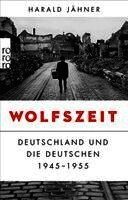
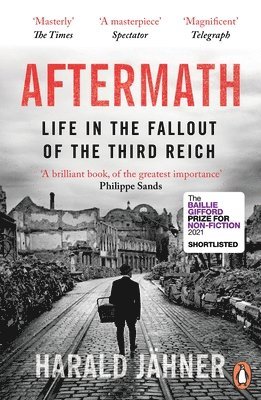
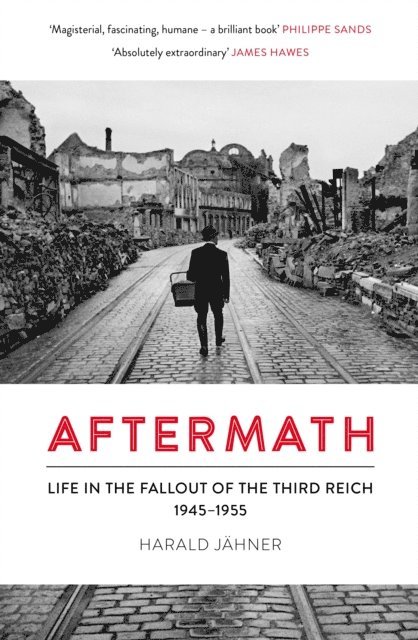
THE TIMES TOP 10 BESTSELLER***SHORTLISTED FOR THE BAILLIE GIFFORD PRIZE FOR NON-FICTION******SHORTLISTED FOR THE BRITISH ACADEMY BOOK PRIZE******SHORTLISTED FOR THE CUNDILL HISTORY PRIZE***A Book of the YearThe Times * Sunday Times * Telegraph * New Statesman * Financial Times * Irish Independent * Daily Mail'A masterpiece' SPECTATOR'Exemplary [and] important... This is the kind of book few writers possess the clarity of vision to write' MAX HASTINGS, SUNDAY TIMES'Magnificent... There are great lessons in the nature of humanity to be learnt here' TELEGRAPHGermany, 1945: a country in ruins. Cities have been reduced to rubble and more than half of the population are where they do not belong or do not want to be. How can a functioning society ever emerge from this chaos?In bombed-out Berlin, Ruth Andreas-Friedrich, journalist and member of the Nazi resistance, warms herself by a makeshift stove and records in her diary how a frenzy of expectation and industriousness grips the city. The Americans send Hans Habe, an Austro-Hungarian Jewish journalist and US army soldier, to the frontline of psychological warfare - tasked with establishing a newspaper empire capable of remoulding the minds of the Germans. The philosopher Hannah Arendt returns to the country she fled to find a population gripped by a manic loquaciousness, but faces a deafening wall of silence at the mention of the Holocaust.Aftermath is a nuanced panorama of a nation undergoing monumental change. 1945 to 1955 was a raw, wild decade poised between two eras that proved decisive for Germany's future - and one starkly different to how most of us imagine it today. Featuring black and white photographs and posters from post-war Germany - some beautiful, some revelatory, some shocking - Aftermath evokes an immersive portrait of a society corrupted, demoralised and freed - all at the same time.
266 kr
Skickas
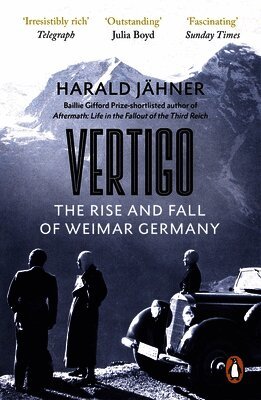
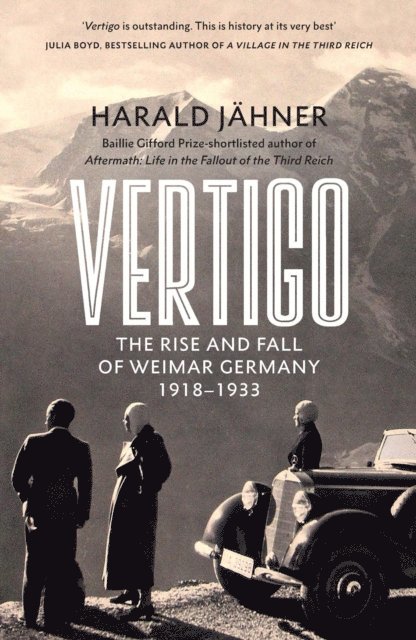
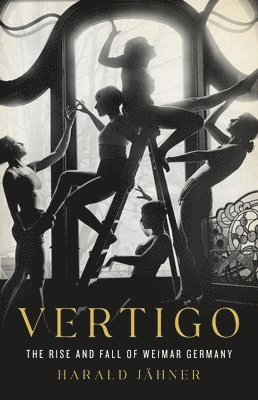
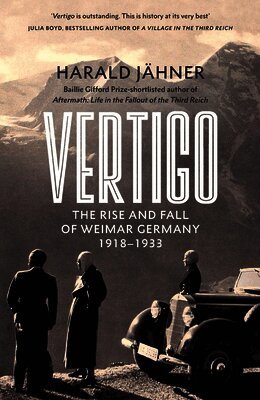
*An Observer Book of the Year, 2024*'This is one of the most gripping accounts of an era spanning war defeat, humiliation and failed revolution in 1918 to the violence, intimidation and propaganda of the Nazis' rise to power in 1933. It contains many lessons for the world now.' - John Kampfner, bestselling author of Why The Germans Do It Better'Vertigo is outstanding. Harald Jähner’s gift for illuminating the big picture with telling detail gives the reader an uncanny sense of what it was actually like to be present in Germany during the Weimar Republic. This is history at its very best.' - Julia Boyd, bestselling author of Travellers in the Third ReichGermany, 1918: a country in flux. The First World War is over, the nation defeated. Revolution is afoot, the monarchy has fallen and the victory of democracy beckons. Everything must change with the times.Out of the ashes of the First World War, Germany launches an unprecedented political project: its first democratic government. The Weimar Republic is established. The years that follow see political extremism, economic upheaval, revolutionary violence and the transformation of Germany. Tradition is shaken to its core as a triumphant procession of liberated lifestyles emerges. Women conquer the racetracks and tennis courts, go out alone in the evenings, cut their hair short and cast the idea of marriage aside. Unisex style comes into fashion, androgynous and experimental. People revel in the discovery of leisure, filling up boxing halls, dance palaces and the hotspots of the New Age, embracing the department stores’ promise of happiness and accepting the streets as a place of fierce political battles.In this short burst of life between the wars, amidst a frenzy of change, comes a backlash from those who do not see themselves reflected in the new Republic. Little by little, deep divisions begin to emerge. Divisions that would bring devastating consequences, altering the course of the twentieth century and the lives of millions around the world. Vertigo is a vital, kaleidoscopic portrait of a pivotal moment in German history.Praise for Aftermath by Harald Jähner:'Exemplary [and] important... This is the kind of book few writers possess the clarity of vision to write' - Max Hastings, Sunday Times'A masterpiece' - Spectator'Magnificent... There are great lessons in the nature of humanity to be learnt here' - Rupert Christiansen, The Telegraph'Jähner is masterly in telling the tragic, despicable, comedic and uplifting stories of those who were there' - Katja Hoyer, The Times'Thought-provoking... Jähner's unflinching account is a reminder that historical truths are rarely simple and always nuanced' - Daily Mail'A reminder that the German experience will always stand apart' - Economist
130 kr
Skickas
*An Observer Book of the Year*'One of the most gripping accounts... of the Nazis' rise to power. It contains many lessons for the world now.' - John Kampfner, bestselling author of Why The Germans Do It Better'Outstanding... This is history at its very best.' - Julia Boyd, bestselling author of Travellers in the Third ReichGermany, 1918: a country in flux. The First World War is over, the nation defeated. Revolution is afoot, the monarchy has fallen and the victory of democracy beckons. Everything must change with the times.Out of the ashes of the First World War, Germany launches an unprecedented political project: its first democratic government. The Weimar Republic is established. The years that follow see political extremism, economic upheaval, revolutionary violence and the transformation of Germany. Tradition is shaken to its core as a triumphant procession of liberated lifestyles emerges. Women conquer the racetracks and tennis courts, go out alone in the evenings, cut their hair short and cast the idea of marriage aside. Unisex style comes into fashion, androgynous and experimental. People revel in the discovery of leisure, filling up boxing halls, dance palaces and the hotspots of the New Age, embracing the department stores’ promise of happiness and accepting the streets as a place of fierce political battles.In this short burst of life between the wars, amidst a frenzy of change, comes a backlash from those who do not see themselves reflected in the new Republic. Little by little, deep divisions begin to emerge. Divisions that would bring devastating consequences, altering the course of the twentieth century and the lives of millions around the world. Vertigo is a vital, kaleidoscopic portrait of a pivotal moment in German history.
266 kr
Kommande
389 kr
Skickas inom 3-6 vardagar
240 kr
Skickas inom 3-6 vardagar
380 kr
Skickas inom 3-6 vardagar
361 kr
Skickas inom 3-6 vardagar
307 kr
Skickas inom 3-6 vardagar
349 kr
Skickas inom 3-6 vardagar
256 kr
Skickas inom 3-6 vardagar