Harminder Pal Singh - Böcker
Visar alla böcker från författaren Harminder Pal Singh. Handla med fri frakt och snabb leverans.
7 produkter
7 produkter
2 490 kr
Skickas inom 10-15 vardagar
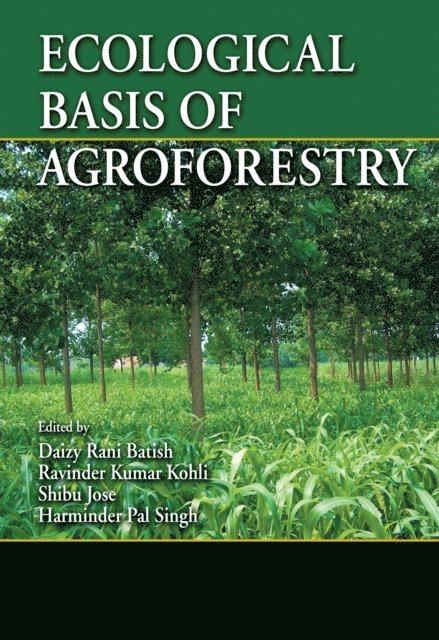
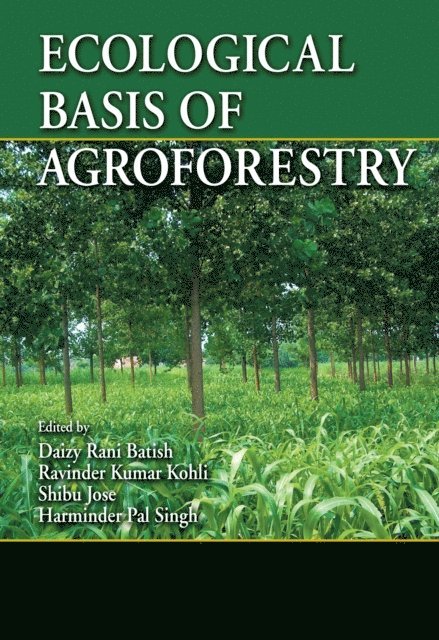
Faced with the growing problems of climate change, ecosystem degradation, declining agricultural productivity, and uncertain food security, modern agricultural scientists look for potential relief in an ancient practice. Agroforestry, if properly designed, can mitigate greenhouse effects, maintain ecosystem health and biodiversity, provide food security, and reduce poverty. Poorly implemented agroforestry, however, can not only exacerbate existing problems, but also contribute in its own right to the overall negative effects of our depleted and failing ecosystems. With a diminishing margin for error, a thorough understanding of the ecological processes that govern these complex systems is, therefore, crucial.Drawing on the collective expertise of world authorities, Ecological Basis of Agroforestry employs extensive use of tables and figures to demonstrate how ecologically sustainable agroecosystems can meet the challenges of enhancing crop productivity, soil fertility, and environmental sustainability. Divided into four sections, this comprehensive volume begins with a study of tree-crop interaction in tropical and temperate climates. Contributions cover above and below ground interactions, alley cropping, tri-trophic interactions, ecologically based pest management, and the chemistry and practical potential of chemically mediated plant interactions. The second section investigates root-mediated below ground interactions and their role in enhancing productivity, soil fertility, and sustainability. It includes an extensive study on litter dynamics and factors affecting nutrient release. Applying ecological modeling of complex agroforestry systems, section three demonstrates the use of computer-based designs to ensure profitability. The final section addresses the socio-economic aspects of agroforestry, supplying in-depth knowledge of various farming systems and discussing the technological tools that benefit society in different eco-regions around the world.
2 692 kr
Skickas inom 10-15 vardagar
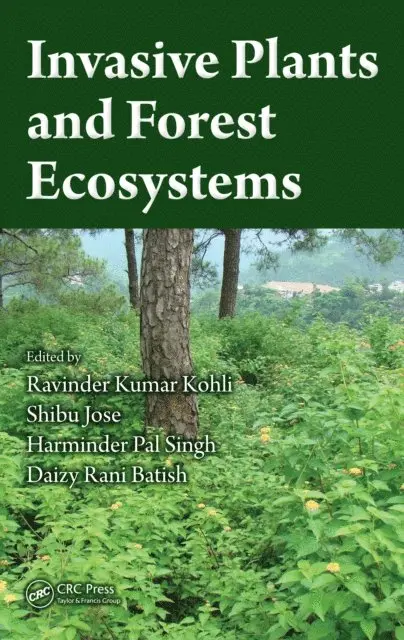
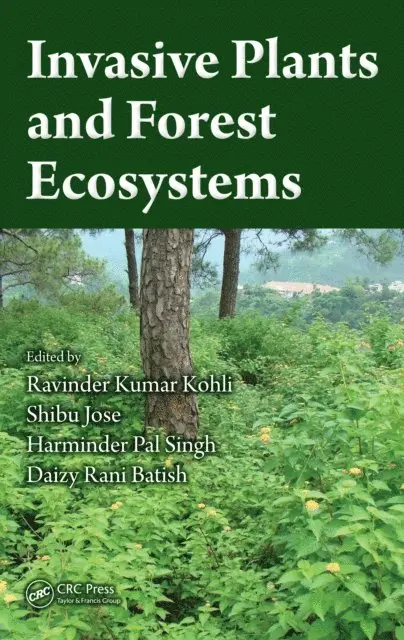
As the worldwide human population explodes and trade becomes increasingly globalized, the transboundary movement of plant species from their place of origin to foreign regions is escalating and expected to experience continued growth in the coming decades. Invasive Plants and Forest Ecosystems takes an informed and integrated approach to the current onslaught of invasive species, spotlighting the tremendous challenges they pose for natural resource managers charged with the maintenance of biological diversity and the sustainable production of forest wealth. It addresses the havoc these alien invaders are wrecking on native forest ecosystems and the staggering $300 billion annually in damage and control costs they incur.An Up-to-Date Synthesis of Invasive Plants, Their Impact, and Control StrategiesExamining invasion ecology through both synthesis and original research chapters, this compilation gives a bird’s eye view of the ecological impact alien invaders have both in temperate and tropical climates. With internationally recognized contributors, this text explores the socioeconomic and policy aspects of adaptive collaborative management strategies that are crucial to controlling alien invasive plants. This book successfully captures the current state of knowledge surrounding this fast-growing ecological issue, making it an indispensable resource for those committed to the protection of global forestry and natural resources.
1 618 kr
Skickas inom 10-15 vardagar
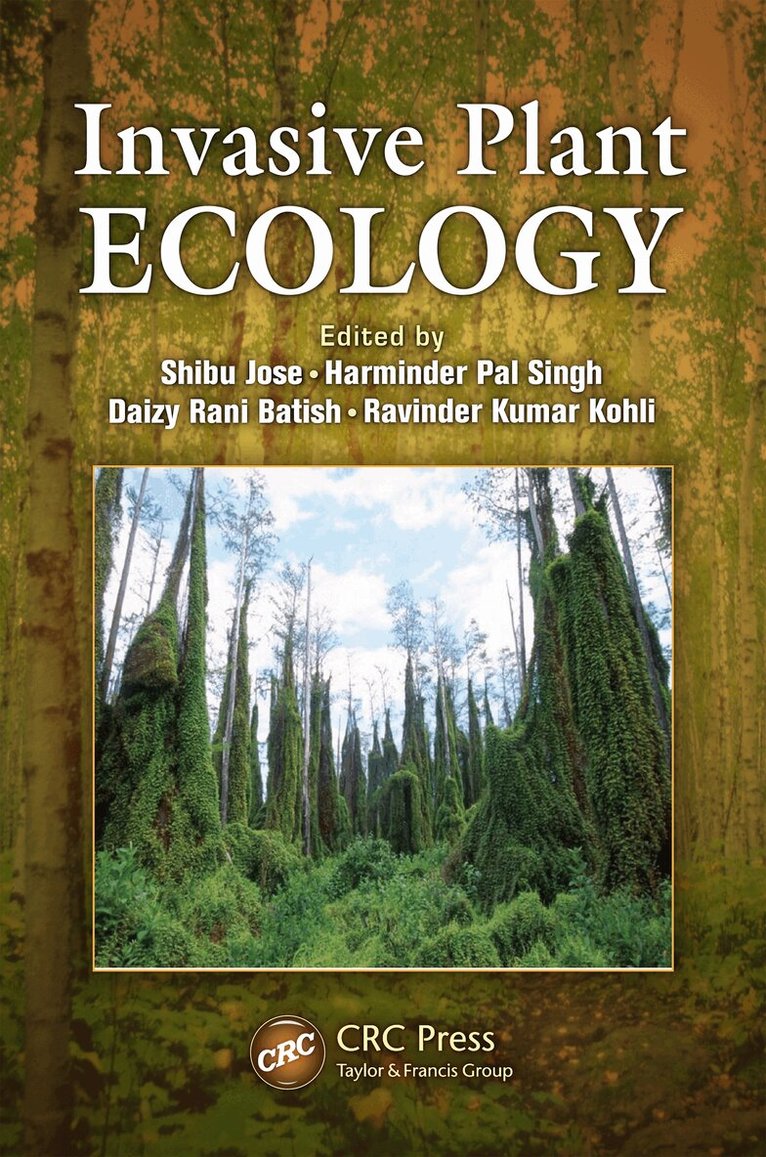
Invasion of non-native plant species, which has a significant impact on the earth’s ecosystems, has greatly increased in recent years due to expanding trade and transport among different countries. Understanding the ecological principles underlying the invasive process as well as the characteristics of the invasive plants is crucial for making good management decisions to address this problem. Invasive Plant Ecology includes chapters derived from presentations at conferences such as the World Congress of the International Union of Forestry Research Organizations (IUFRO), as well as contributions from invited renowned authors. The chapters include both original research and syntheses of current knowledge on specific topics.Actions essential for coordinated approaches to curtail plant invasion include increasing awareness of the ecological impacts of alien plants and employing novel control strategies. This book provides a foundation in invasion ecology by examining ecological theories and case studies that explain plant invasions, their impacts, management strategies, and the ecological economics. The chapters describe ecological characteristics, mutualistic associations, microbial communities, and disturbance regimes that affect the spread of invasive plants. The book also covers spatial analysis and predictive modeling of invasive plants.The final chapters offer guidelines for ecological management and restoration of invaded areas and describe the economics of the invasive plant issue. This collection contains case studies from around the world, giving readers a real view of the extent of the invasive species issue along with real-world strategies. With its focus on the ecological aspects of plant invasion, this book provides an important reference for students, scientists, professionals, and policy makers who are involved in the study and management of alien invasive plants and ecosystems.
2 692 kr
Skickas inom 10-15 vardagar
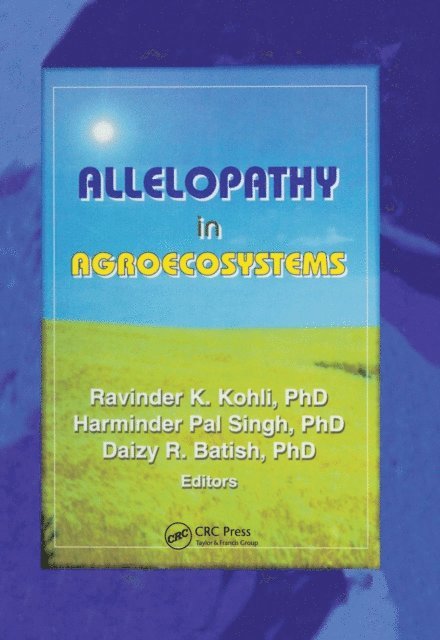
Discover environmentally safe ways to control weeds and pests!Until now farmers have had to choose between using expensive herbicides and fertilizers, which pollute the water table, or watching crop yields drop. All too often, crop yields dropped anyway, despite intensive farming. Allelopathy in Agroecosystems offers fresh hope. It provides an in-depth understanding of allelopathy-the mysterious, complex biochemical interactions among plants and microbes. This little-understood phenomenon plays a large role in agriculture, for good or ill. It can lead to changes in nutrient dynamics, vegetation structure, and species diversity. This comprehensive treatise is the first compendium devoted to explaining and exploring these chemical interactions in agricultural crop systems. Allelopathy in Agroecosystems explains how these interactions can make soil “sick,” especially in intensively cropped areas. This leads to less growth and lower yield. On the other hand, it has great potential as an environmentally safe method of weed and pest management. The fascinating original research presented here will help you understand the complexities of this invisible yet potent force in agriculture.Allelopathy in Agroecosystems examines this interaction as it affects the most important concerns of farmers and agronomists, including:beneficial interactions between crops weed control using crop residues crop rotation natural herbicides genetic engineering soil rhizosphere bacteria improving pastures forest/crop interactions sustainable management of agroecosystems new directions for researchInternational in scope, Allelopathy in Agroecosystems offers an abundance of scientific data on this revolutionary new concept. It offers incalculable potential for rescuing farmed-out land, increasing crop yields, and cutting back on expensive soil additives. Every agronomist, environmental scientist, policymaker, agricultural librarian, and advocate of sustainable farming needs this book.
1 685 kr
Skickas inom 10-15 vardagar
Discover environmentally safe ways to control weeds and pests!Until now farmers have had to choose between using expensive herbicides and fertilizers, which pollute the water table, or watching crop yields drop. All too often, crop yields dropped anyway, despite intensive farming. Allelopathy in Agroecosystems offers fresh hope. It provides an in-depth understanding of allelopathy-the mysterious, complex biochemical interactions among plants and microbes. This little-understood phenomenon plays a large role in agriculture, for good or ill. It can lead to changes in nutrient dynamics, vegetation structure, and species diversity. This comprehensive treatise is the first compendium devoted to explaining and exploring these chemical interactions in agricultural crop systems. Allelopathy in Agroecosystems explains how these interactions can make soil “sick,” especially in intensively cropped areas. This leads to less growth and lower yield. On the other hand, it has great potential as an environmentally safe method of weed and pest management. The fascinating original research presented here will help you understand the complexities of this invisible yet potent force in agriculture.Allelopathy in Agroecosystems examines this interaction as it affects the most important concerns of farmers and agronomists, including:beneficial interactions between crops weed control using crop residues crop rotation natural herbicides genetic engineering soil rhizosphere bacteria improving pastures forest/crop interactions sustainable management of agroecosystems new directions for researchInternational in scope, Allelopathy in Agroecosystems offers an abundance of scientific data on this revolutionary new concept. It offers incalculable potential for rescuing farmed-out land, increasing crop yields, and cutting back on expensive soil additives. Every agronomist, environmental scientist, policymaker, agricultural librarian, and advocate of sustainable farming needs this book.
1 787 kr
Skickas inom 10-15 vardagar
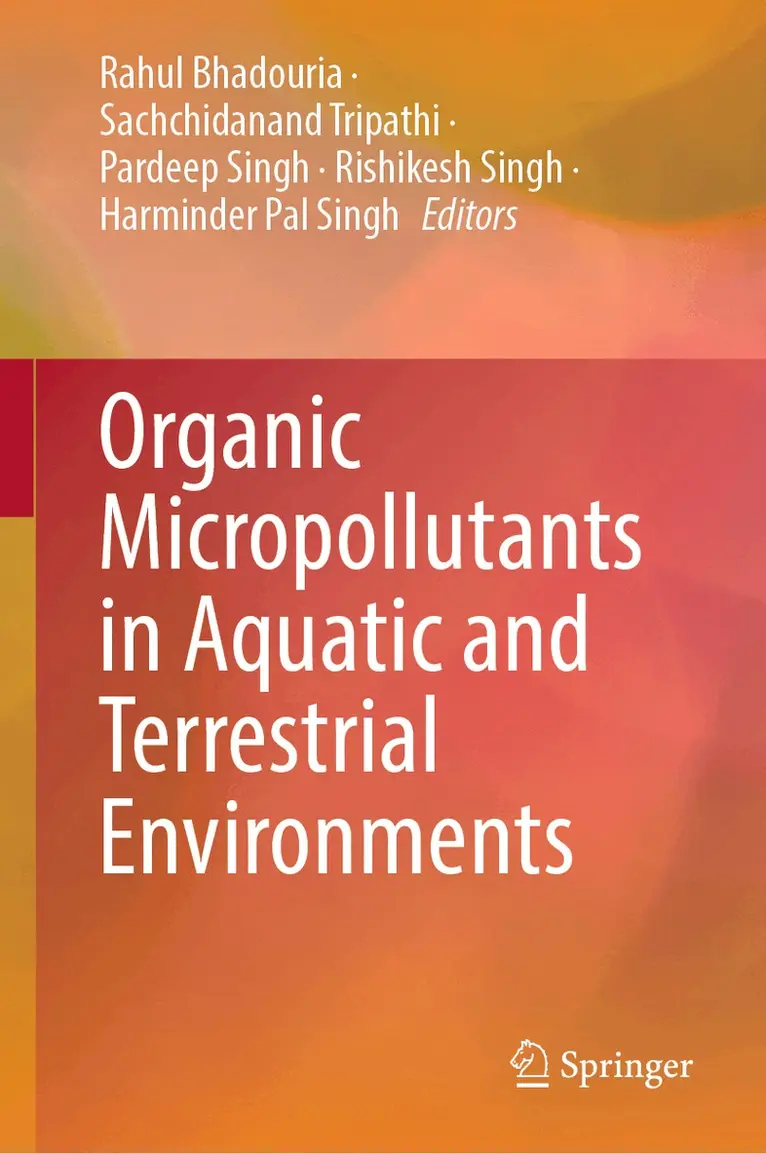
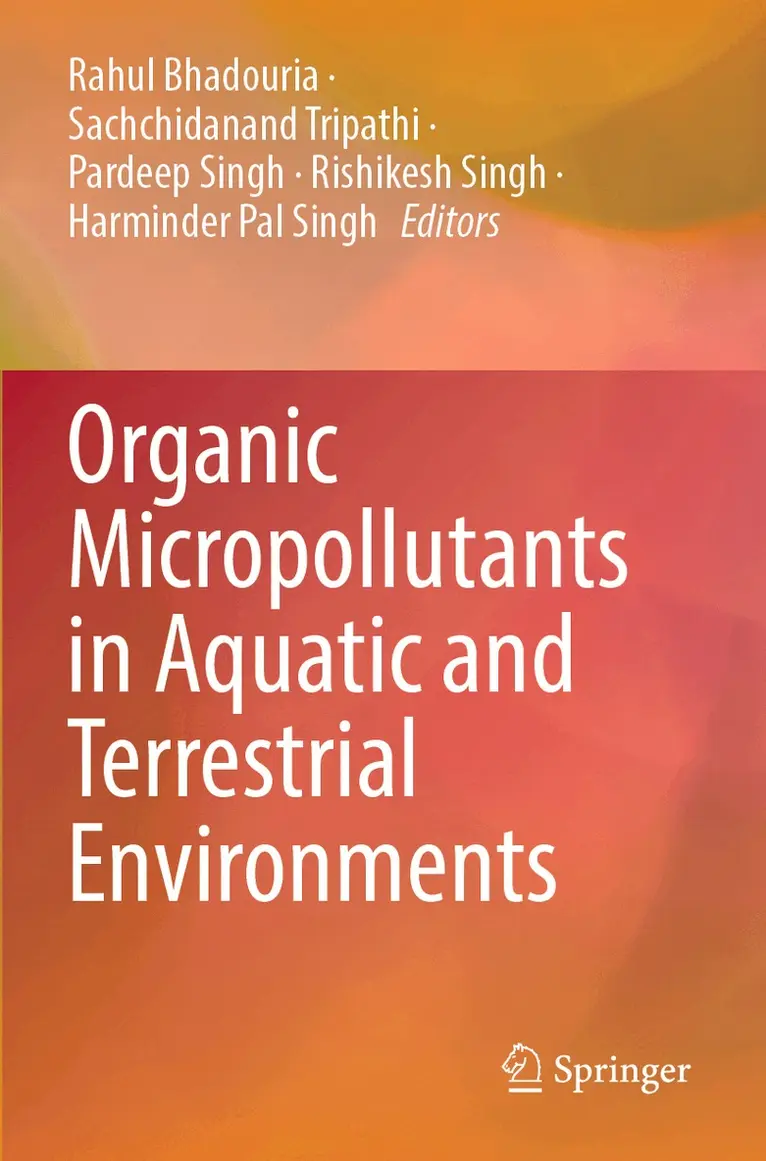
This book offers a comprehensive overview of the origins, occurrences, and remediation strategies for organic micropollutants in the environment. Divided into five parts, the book starts with a perspective on the sources and prevalence of organic micropollutants in our world, including aquatic ecosystems and urban soils, followed by an examination of the effects of these contaminants on health, agriculture, and the environment. In the third and fourth parts of the book, readers will learn more about the analysis and detection of organic micropollutants, and treatment and remediation strategies, respectively. The book closes with an overview of policies and regulatory measures, and critiques the fate of organic micropollutants in the aquatic environment. In this book, particular attention is given to topics such as:the intricate relationship between micropollutants, the environment, and human healthsustainable management, treatment methodsand remediation for micropollutants in wastewater, urban water systems, freshwaters, urban soils, and agricultureecotoxicity analysis and innovative bioremediation approachesReaders will also find a valuable discussion of the current contamination status of aquatic ecosystems by pharmaceutical and personal care micropollutants, the latest methodologies for analysing organic micropollutants, and a case study on the biodegradation pathways of hexachlorocyclohexane (HCH).Given its breadth, this book is a useful resource for scientists, researchers, policymakers, and anyone concerned about the ecological and human health impacts of organic micropollutants.
1 787 kr
Skickas inom 10-15 vardagar
This book offers a comprehensive overview of the origins, occurrences, and remediation strategies for organic micropollutants in the environment. Divided into five parts, the book starts with a perspective on the sources and prevalence of organic micropollutants in our world, including aquatic ecosystems and urban soils, followed by an examination of the effects of these contaminants on health, agriculture, and the environment. In the third and fourth parts of the book, readers will learn more about the analysis and detection of organic micropollutants, and treatment and remediation strategies, respectively. The book closes with an overview of policies and regulatory measures, and critiques the fate of organic micropollutants in the aquatic environment. In this book, particular attention is given to topics such as:the intricate relationship between micropollutants, the environment, and human healthsustainable management, treatment methodsand remediation for micropollutants in wastewater, urban water systems, freshwaters, urban soils, and agricultureecotoxicity analysis and innovative bioremediation approachesReaders will also find a valuable discussion of the current contamination status of aquatic ecosystems by pharmaceutical and personal care micropollutants, the latest methodologies for analysing organic micropollutants, and a case study on the biodegradation pathways of hexachlorocyclohexane (HCH).Given its breadth, this book is a useful resource for scientists, researchers, policymakers, and anyone concerned about the ecological and human health impacts of organic micropollutants.