Harry Boonstra – författare
Visar alla böcker från författaren Harry Boonstra. Handla med fri frakt och snabb leverans.
5 produkter
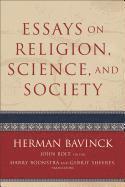
Essays on Religion, Science, and Society
Av Gerrit Sheeres, John Bolt m. fl.
Häftad, 2013
282 kr
Lägg i varukorg
Mature reflections from one of the greatest Reformed theologians Herman Bavinck, the premier theologian of the Kuyper-inspired, neo-Calvinistic revival in the late-nineteenth-century Netherlands, is an important voice in the development of Protestant theology. This volume, now in paper, is the …
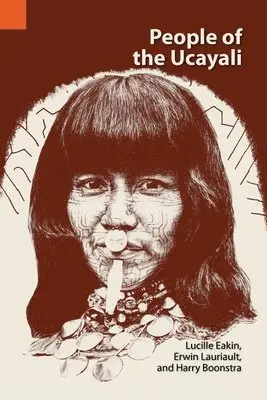
People of the Ucayali
The Shipibo and Conibo of Peru
Av Lucille Eakin, Erwin Lauriault m. fl.
Häftad, 1986
326 kr
Lägg i varukorg
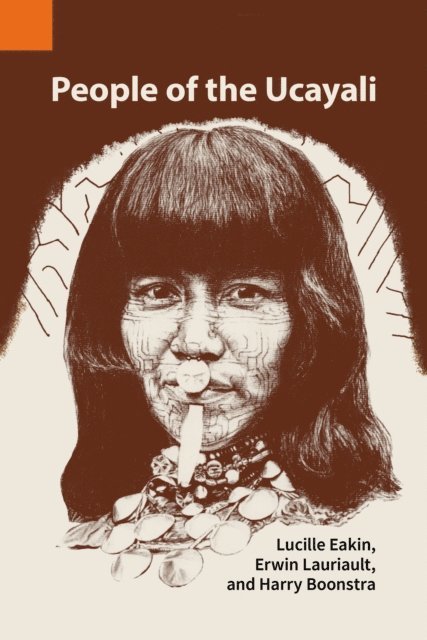
People of the Ucayali: The Shipibo and Conibo of Peru
Av Harry Boonstra, Erwin Lauriault m. fl.
E-bok, 2023
126 kr
Lägg i varukorg
This book describes the cultures of two closely related language groups in the Peruvian Amazon: the Shipibo and Conibo. It shares personal observations of their subsistence and economic, social, and political organization. The book also looks at their view of medicine, the supernatural, and …
People of the Ucayali
The Shipibo and Conibo of Peru
Av Lucille Eakin, Erwin Lauriault m. fl.
Inbunden, 1986
433 kr
Lägg i varukorg
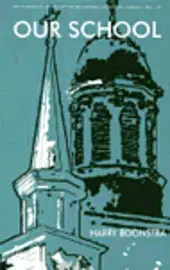
Our School: Calvin College and the Christian Reformed Church
Av Harry Boonstra, Donald J. Bruggink
Häftad
214 kr
Tillfälligt slut