Harry H. Singleton III – författare
Visar alla böcker från författaren . Handla med fri frakt och snabb leverans.
5 produkter
5 produkter
Häftad, Engelska, 2011
561 kr
Skickas inom 10-15 vardagar
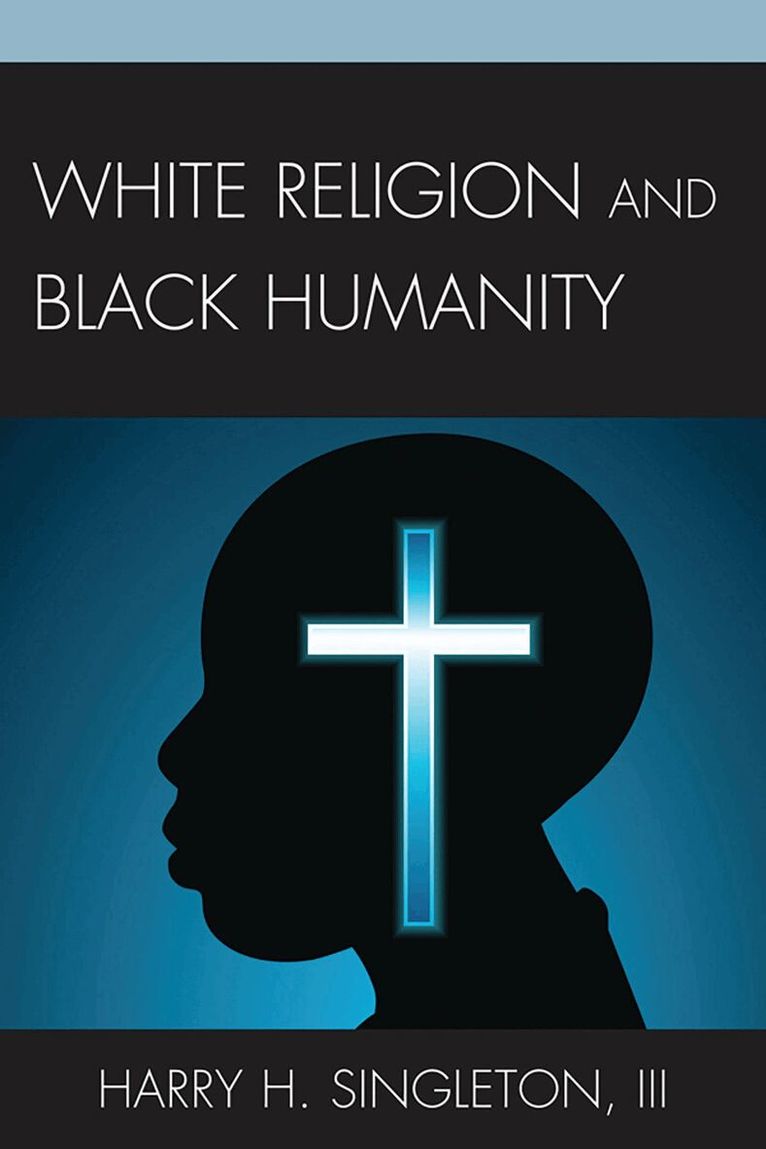
In this insightful work, Harry H. Singleton, III, analyzes the white religious establishment’s use of Christian faith throughout American history to link divine will with black oppression. This exploitation establishes Christian faith as the single most persuasive tool in convincing whites of their superiority and blacks of their inferiority. Singleton calls for a reexamination of the major categories of Christian theology due to its misuse by many leading white clergy and theologians. He constructs a more liberating approach to Christian faith by freeing it from its convenient concerns with heaven more than the earth, with the church more than the world, and with the individual more than the community. This book is a must-read for anyone interested in both the historical and contemporary impact of Christian faith on the current racial situation in America.For the first chapter, please visit the following website:White Religion and Black Humanity - Chapter 1
Häftad, Engelska, 2002
334 kr
Skickas inom 3-6 vardagar
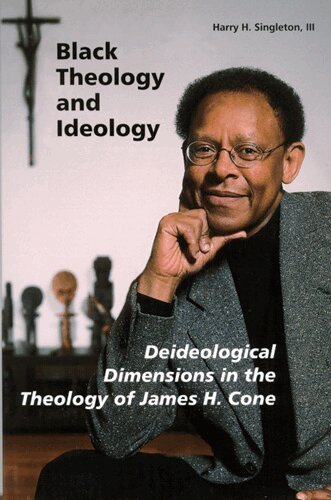
Combining the theological methods of Juan Luis Segundo and James H. Cone, Harry Singleton sheds new light on the impact of race on the origin and development of theology in America.In Black Theology and Ideology Singleton appropriates Segundo's method of deideologization to argue that relevant theological reflection must expose religio-political ideologies that justify human oppression in the name of God as a distortion of the gospel and counter them with new theological presuppositions rooted in liberation. Singleton then contextualizes Segundo's method by offering the theology of James Cone as the most viable example of such a theological perspective in America.Chapters are The Black Experience and the Emergence of Ideological Suspicion," "The Western Intellectual Tradition and Ideological Suspicion," "Hermeneutical Methodology and the Emergence of Exegetical Suspicion," "A New Hermeneutic," and "The Case for Indigenous Deideologization."Harry Singleton III, PhD, is the Lilly Director of Faith Based Education and Engagement at the International African American Museum in Charleston, South Carolina. He formerly served as assistant professor of comparative religions and African American religion in the religion/philosophy department at Benedict College, Columbia, South Carolina.
Häftad, Engelska, 2022
240 kr
Skickas inom 5-8 vardagar
Inbunden, Engelska, 2018
1 184 kr
Skickas inom 10-15 vardagar
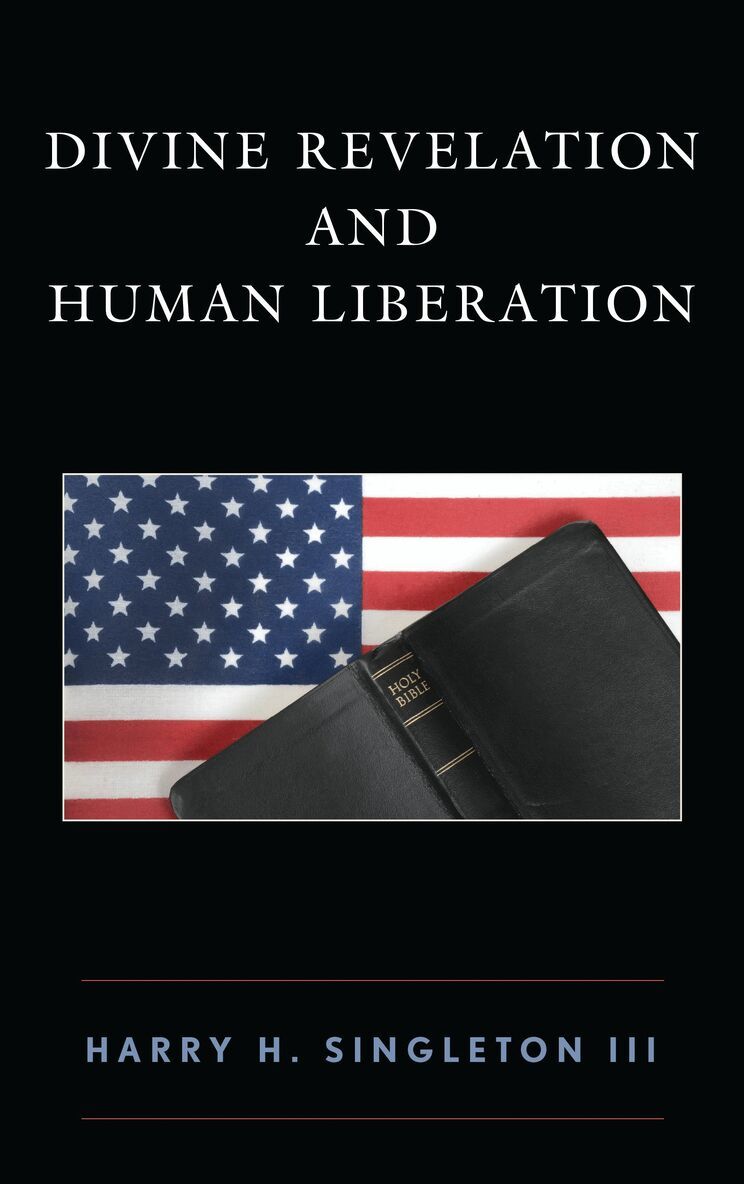
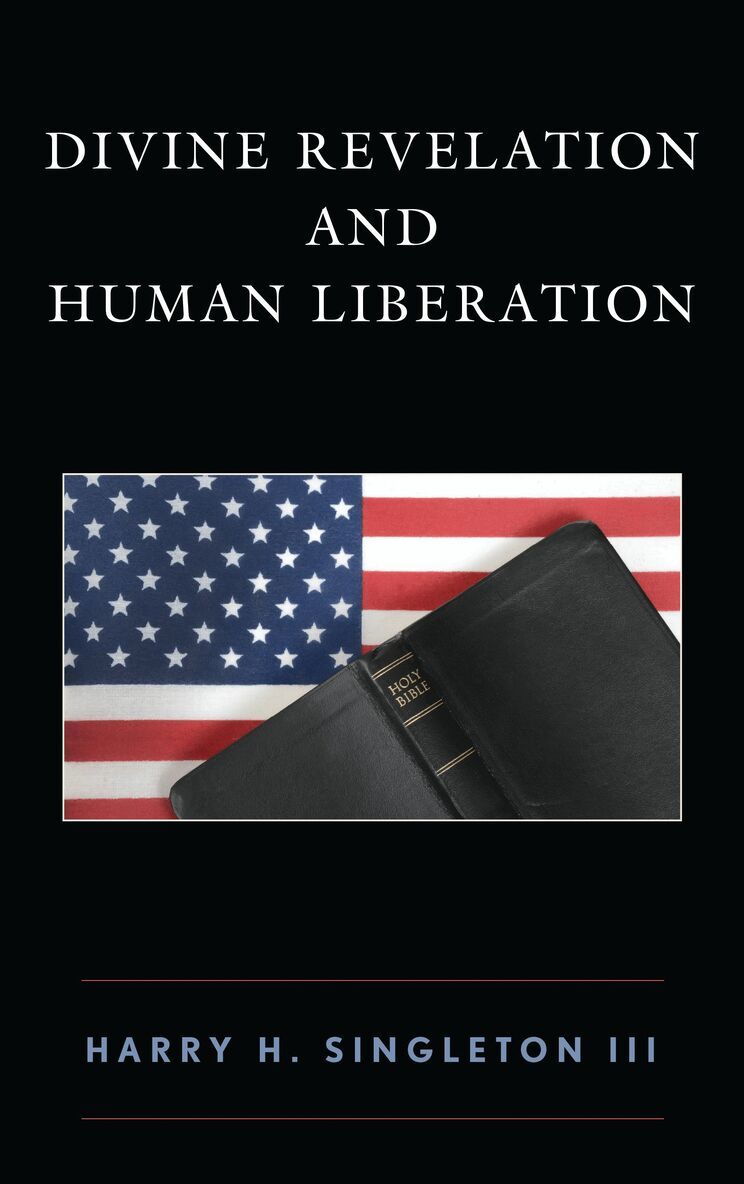
Harry H. Singleton is concerned in this work with the disparate ways blacks and whites have experienced American history and subsequently the way they have fashioned God’s communication to humans, formerly referred to as revelation. This book makes the case that while white Christian leaders have rooted God’s revelation either in an inherently inferior black humanity or a Christian faith void of black suffering, black theologians have rooted that same revelation in the plight of oppressed peoples in general and black people in particular, i.e., that God’s essence is found in the struggle for human liberation. With clarity and passion, Professor Singleton draws on the treatments of revelation of the most celebrated white theologians to demonstrate that the Christian theological enterprise has by intent and effect linked God’s revelation with black inferiority. Black theologians, on the other hand, have countered seeking a more liberating view of black humanity by making the case that the God of the Bible ultimately intervenes in contexts of human oppression not for their perpetuation but rather for their destruction. In this sense, Singleton pushes the reader to the conclusion that although the treatments of revelation between white and black theologians have been as different as their lived histories, the object of revelation has been the same – the humanity of black people! Thus, Singleton puts forth the bold argument that the racial struggle in America has not only been an historical struggle for determining the humanity of black people but a theological struggle for determining the humanity of black people as well. But far from remaining objective, Singleton takes the liberating path for black humanity and presses his way through the pages of this work seeking a new paradigm for revelation that no longer places God at the intersection of the white-black encounter as a condoner of racism or as a disinterested observer in the racial struggle but rather as an eternal light whose very nature is seen in the continuing quest for human liberation.
Häftad, Engelska, 2020
533 kr
Skickas inom 10-15 vardagar
Harry H. Singleton is concerned in this work with the disparate ways blacks and whites have experienced American history and subsequently the way they have fashioned God’s communication to humans, formerly referred to as revelation. This book makes the case that while white Christian leaders have rooted God’s revelation either in an inherently inferior black humanity or a Christian faith void of black suffering, black theologians have rooted that same revelation in the plight of oppressed peoples in general and black people in particular, i.e., that God’s essence is found in the struggle for human liberation. With clarity and passion, Professor Singleton draws on the treatments of revelation of the most celebrated white theologians to demonstrate that the Christian theological enterprise has by intent and effect linked God’s revelation with black inferiority. Black theologians, on the other hand, have countered seeking a more liberating view of black humanity by making the case that the God of the Bible ultimately intervenes in contexts of human oppression not for their perpetuation but rather for their destruction. In this sense, Singleton pushes the reader to the conclusion that although the treatments of revelation between white and black theologians have been as different as their lived histories, the object of revelation has been the same – the humanity of black people! Thus, Singleton puts forth the bold argument that the racial struggle in America has not only been an historical struggle for determining the humanity of black people but a theological struggle for determining the humanity of black people as well. But far from remaining objective, Singleton takes the liberating path for black humanity and presses his way through the pages of this work seeking a new paradigm for revelation that no longer places God at the intersection of the white-black encounter as a condoner of racism or as a disinterested observer in the racial struggle but rather as an eternal light whose very nature is seen in the continuing quest for human liberation.