Harvey G. Cohen - Böcker
Visar alla böcker från författaren Harvey G. Cohen. Handla med fri frakt och snabb leverans.
4 produkter
4 produkter
390 kr
Skickas inom 7-10 vardagar
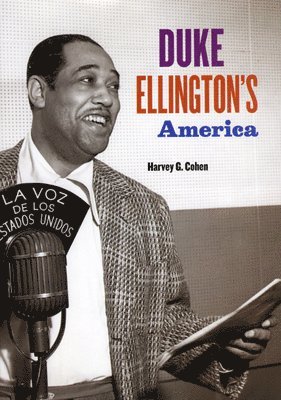
Few American artists in any medium have enjoyed the international and lasting cultural impact of Duke Ellington. From jazz standards such as "Mood Indigo" and "Don't Get Around Much Anymore," to his longer, more orchestral suites, to his leadership of the stellar big band he toured and performed with for decades after most big bands folded, Ellington represented a singular, path-breaking force in music over the course of a half century. At the same time, as one of the most prominent black public figures in history, Ellington demonstrated leadership on questions of civil rights, equality, and America's role in the world. Drawing on extensive research and a wealth of new interviews, "Duke Ellington's America" paints a vivid portrait of the life and times of this towering figure, taking him from his youth in the black middle-class enclave of Washington, DC, to the heights of worldwide acclaim.
216 kr
Skickas inom 7-10 vardagar
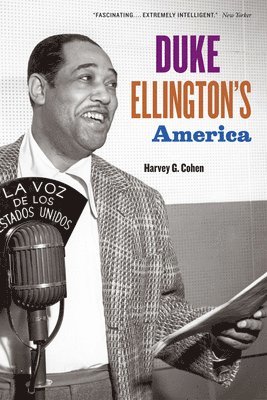
Few American artists in any medium have enjoyed the international and lasting cultural impact of Duke Ellington. From jazz standards such as "Mood Indigo" and "Don't Get Around Much Anymore," to his longer, more orchestral suites, to his leadership of the stellar big band he toured and performed with for decades after most big bands folded, Ellington represented a singular, path-breaking force in music over the course of a half century. At the same time, as one of the most prominent black public figures in history, Ellington demonstrated leadership on questions of civil rights, equality, and America's role in the world. Drawing on extensive research and a wealth of new interviews, "Duke Ellington's America" paints a vivid portrait of the life and times of this towering figure, taking him from his youth in the black middle-class enclave of Washington, DC, to the heights of worldwide acclaim.
2 169 kr
Skickas inom 3-6 vardagar
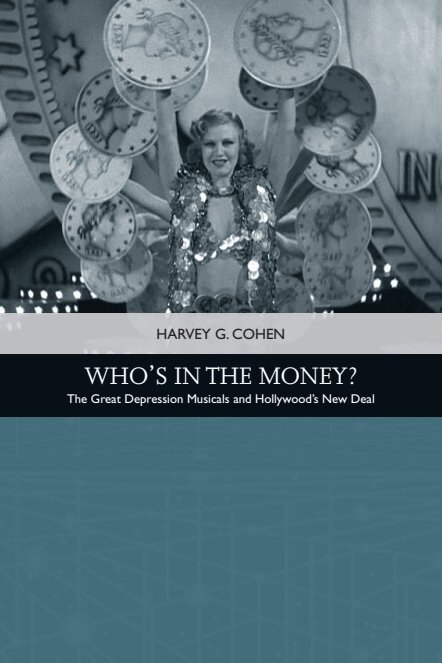
Explores the connections and tensions between Warner Bros. and the Roosevelt administration during 1933Harry and Jack Warner were among the most important advocates and fundraisers of President Franklin Roosevelt during his 1932 presidential campaign, supporting his New Deal legislation in successful Great Depression musicals like '42nd Street, Gold Diggers of 1933', and 'Footlight Parade'. But while the Warner brothers posed as exemplars of the New Deal in real life and in their movies, they were attempting to reverse Roosevelt's policies within their studio and their industry.Using newly unearthed primary sources, this ground-breaking book examines the bitter and little known struggle in Hollywood and Washington D.C. during 1933 to create a National Recovery Administration (NRA) code of practice for the motion picture industry. But through the manipulation of New Deal legislation, Harry and Jack Warner, along with other studio moguls, sought to curtail workers' rights and salaries instead of bolstering both sides of the labour/management divide as they were supposed to do under NRA regulations, attempting to serve the economic pain of the Depression as much as possible onto artists and craftsmen, not owners or management. With its tales of Hollywood stars and employees fighting to win a fair share of the proceeds of their labour, the creation of the NRA code makes for an intriguing story of financial survival, political intrigue and backstabbing during the worst of the Great Depression.Key featuresContains extensive primary research on the creation of the NRA's motion picture code, including many new insights about the processGives students of U.S. history a new and entertaining way to examine the legacy of the Great Depression, the Hollywood studio system and President Roosevelt's New Deal programExtensive analysis of the historical significance of the Warner Bros.' Great Depression MusicalsEntertaining stories and insights about Hollywood and U.S. government figures whose names have echoed through decades of American culture and historyDemonstrates how the Warners' aggressive attempts to solidify their industry in 1933 ironically set the stage for the eventual downfall of the Hollywood studio system in the years after World War II
384 kr
Skickas inom 7-10 vardagar
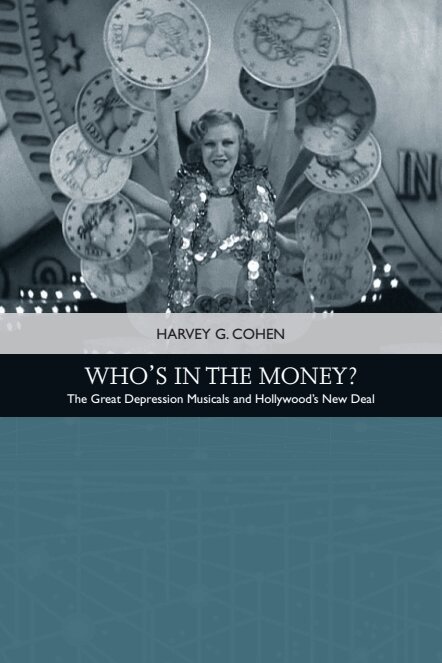
Explores the connections and tensions between Warner Bros. and the Roosevelt administration during 1933Harry and Jack Warner were among the most important advocates and fundraisers of President Franklin Roosevelt during his 1932 presidential campaign, supporting his New Deal legislation in successful Great Depression musicals like '42nd Street, Gold Diggers of 1933', and 'Footlight Parade'. But while the Warner brothers posed as exemplars of the New Deal in real life and in their movies, they were attempting to reverse Roosevelt's policies within their studio and their industry.Using newly unearthed primary sources, this ground-breaking book examines the bitter and little known struggle in Hollywood and Washington D.C. during 1933 to create a National Recovery Administration (NRA) code of practice for the motion picture industry. But through the manipulation of New Deal legislation, Harry and Jack Warner, along with other studio moguls, sought to curtail workers' rights and salaries instead of bolstering both sides of the labour/management divide as they were supposed to do under NRA regulations, attempting to serve the economic pain of the Depression as much as possible onto artists and craftsmen, not owners or management. With its tales of Hollywood stars and employees fighting to win a fair share of the proceeds of their labour, the creation of the NRA code makes for an intriguing story of financial survival, political intrigue and backstabbing during the worst of the Great Depression.Key featuresContains extensive primary research on the creation of the NRA's motion picture code, including many new insights about the processGives students of U.S. history a new and entertaining way to examine the legacy of the Great Depression, the Hollywood studio system and President Roosevelt's New Deal programExtensive analysis of the historical significance of the Warner Bros.' Great Depression MusicalsEntertaining stories and insights about Hollywood and U.S. government figures whose names have echoed through decades of American culture and historyDemonstrates how the Warners' aggressive attempts to solidify their industry in 1933 ironically set the stage for the eventual downfall of the Hollywood studio system in the years after World War II