Hassan Fazeli Nashli – författare
Visar alla böcker från författaren Hassan Fazeli Nashli. Handla med fri frakt och snabb leverans.
3 produkter
3 produkter
Häftad, Engelska, 2022
607 kr
Skickas inom 10-15 vardagar
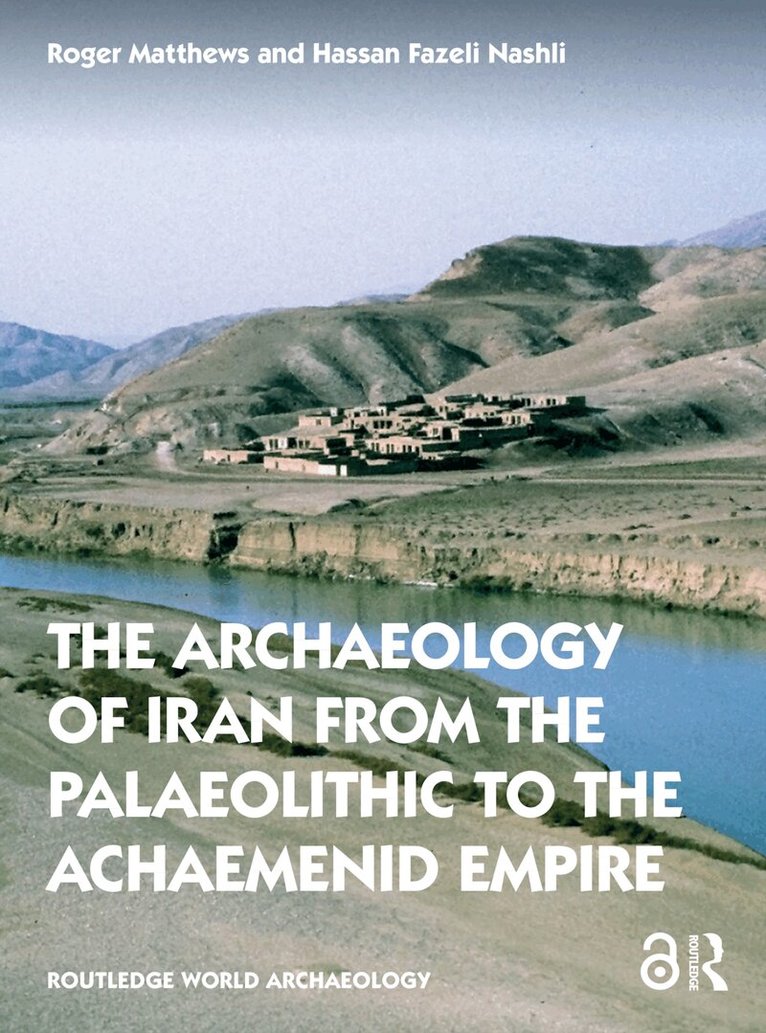
The Archaeology of Iran from the Palaeolithic to the Archaemenid Empire is the first modern academic study to provide a synthetic, diachronic analysis of the archaeology and early history of all of Iran from the Palaeolithic period to the end of the Achaemenid Empire at 330 BC.Drawing on the authors’ deep experience and engagement in the world of Iranian archaeology, and in particular on Iran-based academic networks and collaborations, this book situates the archaeological evidence from Iran within a framework of issues and debates of relevance today. Such topics include human–environment interactions, climate change and societal fragility, the challenges of urban living, individual and social identity, gender roles and status, the development of technology and craft specialisation and the significance of early bureaucratic practices such as counting, writing and sealing within the context of evolving societal formations.Richly adorned with more than 500 illustrations, many of them in colour, and accompanied by a bibliography with more than 3000 entries, this book will be appreciated as a major research resource for anyone concerned to learn more about the role of ancient Iran in shaping the modern world.
Inbunden, Engelska, 2022
2 222 kr
Skickas inom 10-15 vardagar
The Archaeology of Iran from the Palaeolithic to the Archaemenid Empire is the first modern academic study to provide a synthetic, diachronic analysis of the archaeology and early history of all of Iran from the Palaeolithic period to the end of the Achaemenid Empire at 330 BC.Drawing on the authors’ deep experience and engagement in the world of Iranian archaeology, and in particular on Iran-based academic networks and collaborations, this book situates the archaeological evidence from Iran within a framework of issues and debates of relevance today. Such topics include human–environment interactions, climate change and societal fragility, the challenges of urban living, individual and social identity, gender roles and status, the development of technology and craft specialisation and the significance of early bureaucratic practices such as counting, writing and sealing within the context of evolving societal formations.Richly adorned with more than 500 illustrations, many of them in colour, and accompanied by a bibliography with more than 3000 entries, this book will be appreciated as a major research resource for anyone concerned to learn more about the role of ancient Iran in shaping the modern world.
E-bok
Engelska, 2021122 kr
Läs direkt efter köp
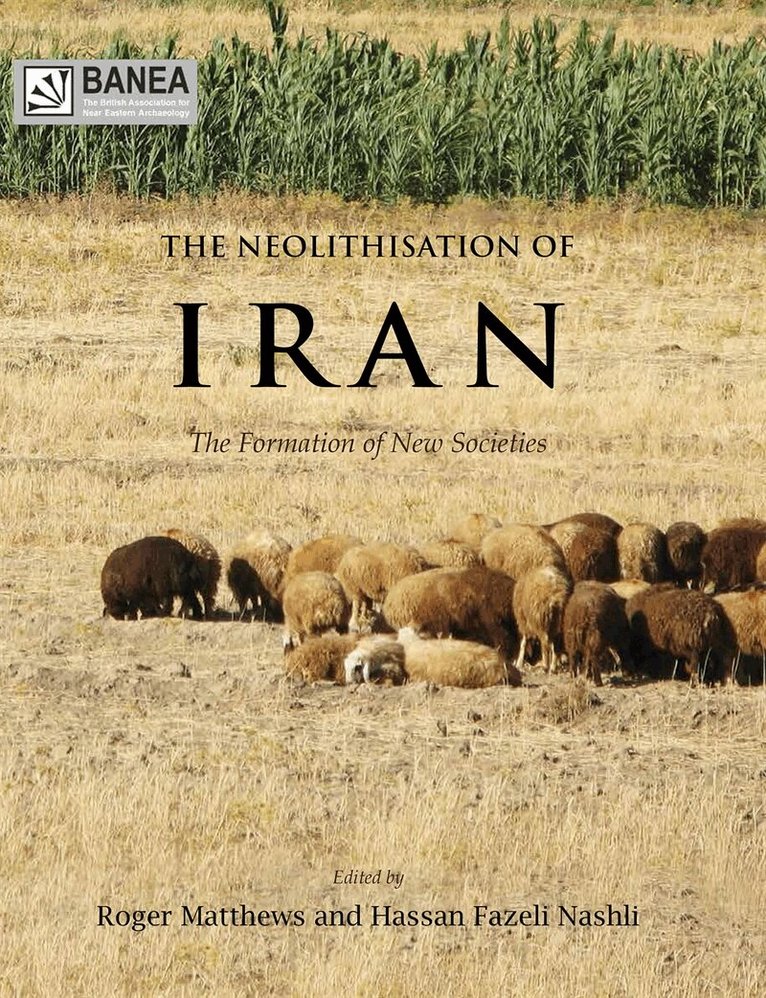
The period c. 10,000-5000 BC witnessed fundamental changes in the human condition with societies across the Fertile Crescent shifting their alignment from millennia-old practices of seasonally mobile hunting and foraging to year-round sedentism, plant cultivation and animal herding. The significant role of Iran in the early stages of this transition was recognised more than half a century ago but has not been to the fore of academic consciousness in recent decades. In the meantime, investigations into Neolithic transformation have proceeded apace in all other regions of the Fertile Crescent and beyond. Here, 18 studies attempt to redress that balance in re-assessing the role of Iran in the early neolithisation of human societies.These studies, many of them by Iranian scholars, consider patterns of change and/or continuity across a variety of topographical landscapes; investigate Neolithic settlement patterns, the use of caves, animal exploitation and environmental indicators and present new insights into some well-known and some newly investigated sites. The results re-affirm the formative role of this region in the transition to sedentary farming.