Hassnaa Moustafa - Böcker
Visar alla böcker från författaren Hassnaa Moustafa. Handla med fri frakt och snabb leverans.
4 produkter
4 produkter
908 kr
Skickas inom 10-15 vardagar
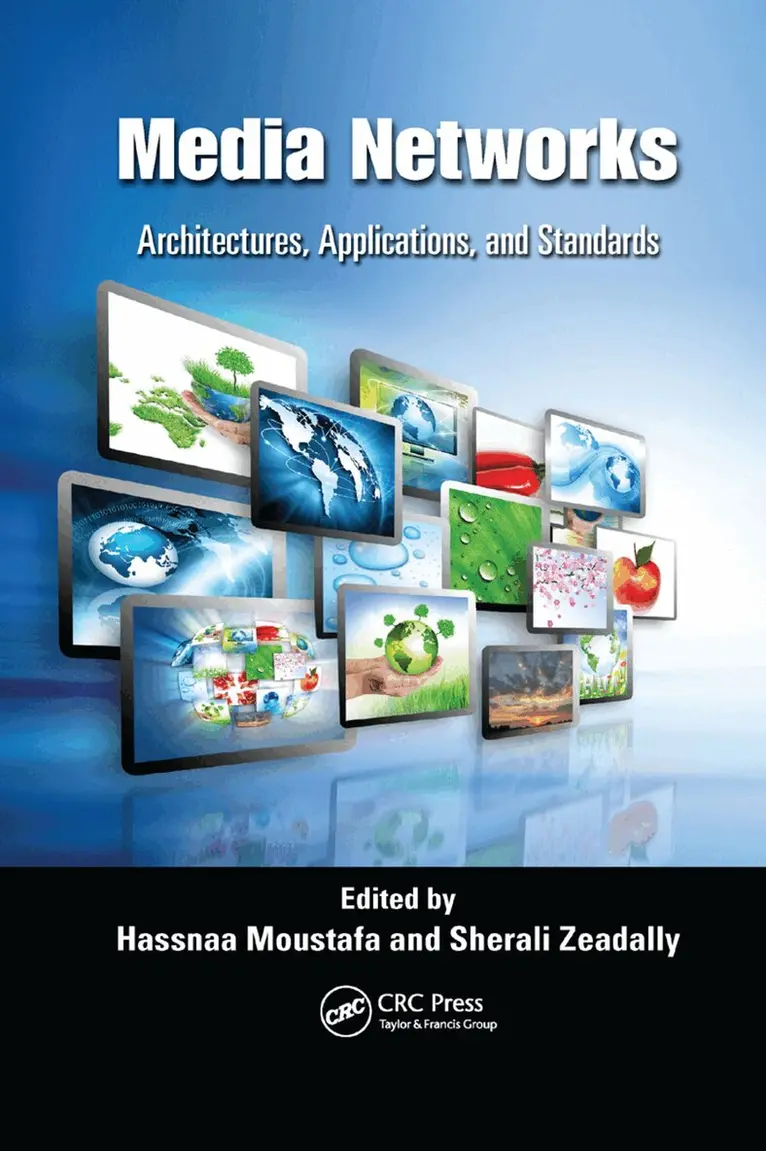
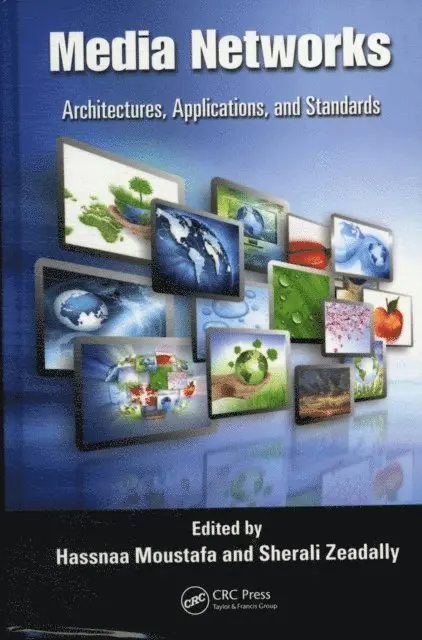
A rapidly growing number of services and applications along with a dramatic shift in users’ consumption models have made media networks an area of increasing importance. Do you know all that you need to know?Supplying you with a clear understanding of the technical and deployment challenges, Media Networks: Architectures, Applications, and Standards covers media networks basics, architectures, protocols, standards, specifications, advanced audiovisual and multimedia services, and future directions. Focusing on video and audio-visual services, it provides wide-scale reference on media networks and the audiovisual domain.The book investigates the different network architectures along with their related protocols and standards. It examines the different digital TV technologies as well as their deployment architectures. Illustrating the role of network operators, service providers, content providers, and manufacturers, this timely reference is divided into three parts: Presents digital TV technologies, including Open IPTV, Mobile TV, 3D video, and content delivery networksCovers media content delivery and quality of experience (QoE) Examines user-centricity and immersive technologies that take into account advanced services personalization, immersive technologies architectures and applications, e-health, and societal challengesThe book considers emerging media content delivery architectures including Future Internet, CDN (Content Delivery Networks) architectures and Content Centric Networks (CCN) approaches, while examining the technical challenges and standardization efforts related to such issues. It presents the Quality of Experience (QoE) in Future Internet/ Next Generation Mobile Networks and also covers the management of media (audio/video) information in Future Internet, including transport protocols and compression technologies. The book concludes by describing pressing s
567 kr
Skickas inom 10-15 vardagar
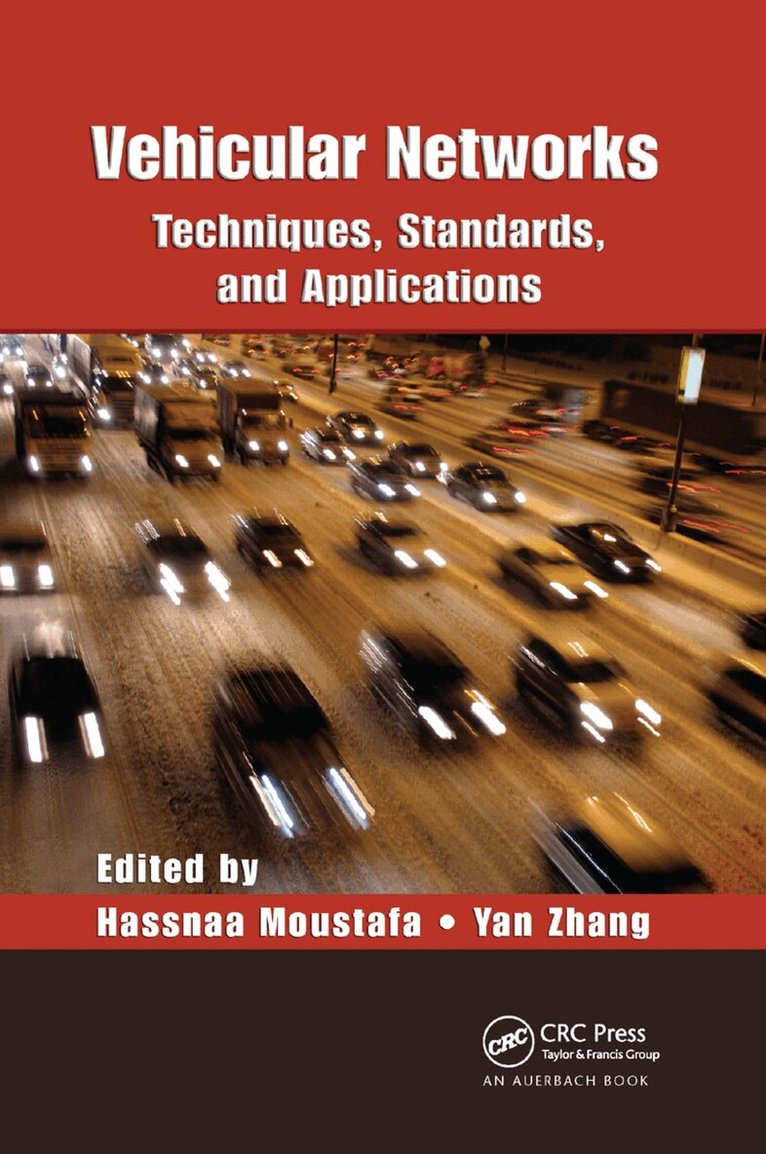
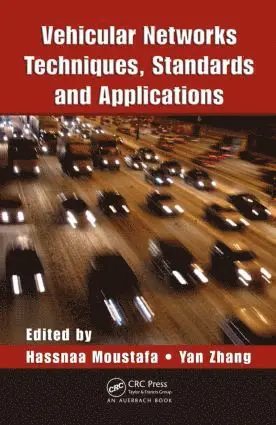
As Vehicular Networks technology enters a critical phase in its evolution, academic institutions, industry, and governments worldwide are investing significant resources into large-scale deployment of such networks in order to leverage its benefits to communication, road safety, and improved traffic flow. Despite the current proliferation of conferences to address the technical, policy, and economic challenges associated with this exciting new technology, notably absent is a self-contained book that integrates and covers these topics in sufficient detail.Vehicular Networks: Techniques, Standards and Applications examines the latest advances in the evolution of vehicular networks, presenting invaluable state-of-the-art ideas and solutions for professionals and academics at work on numerous international development and deployment projects. A versatile text, it cross-references all key aspects, including medium access, scheduling, mobility, services, market introduction, and standard specifications. This informative guide: Describes the roles of networks operators, car manufacturers, service providers, and governmental authorities in development of vehicular technology Illustrates the benefits and real-life applications of vehicular networks Analyzes possible business models for network deployment Examines potential services and possible deployment architectures Explores the technical challenges of deployment, including use of MAC protocols, routing, data dissemination, dynamic IP autoconfiguration, mobility management, security, and driver/passenger privacy Illustrative Figures to Clarify Both Basic and Advanced ConceptsUsing simplified language, this book elucidates the distinct behavior and characteristics that disti
1 327 kr
Tillfälligt slut
As Vehicular Networks technology enters a critical phase in its evolution, academic institutions, industry, and governments worldwide are investing significant resources into large-scale deployment of such networks in order to leverage its benefits to communication, road safety, and improved traffic flow. Despite the current proliferation of conferences to address the technical, policy, and economic challenges associated with this exciting new technology, notably absent is a self-contained book that integrates and covers these topics in sufficient detail.Vehicular Networks: Techniques, Standards and Applications examines the latest advances in the evolution of vehicular networks, presenting invaluable state-of-the-art ideas and solutions for professionals and academics at work on numerous international development and deployment projects. A versatile text, it cross-references all key aspects, including medium access, scheduling, mobility, services, market introduction, and standard specifications. This informative guide: Describes the roles of networks operators, car manufacturers, service providers, and governmental authorities in development of vehicular technology Illustrates the benefits and real-life applications of vehicular networks Analyzes possible business models for network deployment Examines potential services and possible deployment architectures Explores the technical challenges of deployment, including use of MAC protocols, routing, data dissemination, dynamic IP autoconfiguration, mobility management, security, and driver/passenger privacy Illustrative Figures to Clarify Both Basic and Advanced ConceptsUsing simplified language, this book elucidates the distinct behavior and characteristics that disti
2 026 kr
Skickas inom 10-15 vardagar
A rapidly growing number of services and applications along with a dramatic shift in users’ consumption models have made media networks an area of increasing importance. Do you know all that you need to know?Supplying you with a clear understanding of the technical and deployment challenges, Media Networks: Architectures, Applications, and Standards covers media networks basics, architectures, protocols, standards, specifications, advanced audiovisual and multimedia services, and future directions. Focusing on video and audio-visual services, it provides wide-scale reference on media networks and the audiovisual domain.The book investigates the different network architectures along with their related protocols and standards. It examines the different digital TV technologies as well as their deployment architectures. Illustrating the role of network operators, service providers, content providers, and manufacturers, this timely reference is divided into three parts: Presents digital TV technologies, including Open IPTV, Mobile TV, 3D video, and content delivery networksCovers media content delivery and quality of experience (QoE) Examines user-centricity and immersive technologies that take into account advanced services personalization, immersive technologies architectures and applications, e-health, and societal challengesThe book considers emerging media content delivery architectures including Future Internet, CDN (Content Delivery Networks) architectures and Content Centric Networks (CCN) approaches, while examining the technical challenges and standardization efforts related to such issues. It presents the Quality of Experience (QoE) in Future Internet/ Next Generation Mobile Networks and also covers the management of media (audio/video) information in Future Internet, including transport protocols and compression technologies. The book concludes by describing pressing s