Hazel Dodge – författare
Visar alla böcker från författaren Hazel Dodge. Handla med fri frakt och snabb leverans.
3 produkter
3 produkter
E-bok
Engelska, 2021123 kr
Läs direkt efter köp
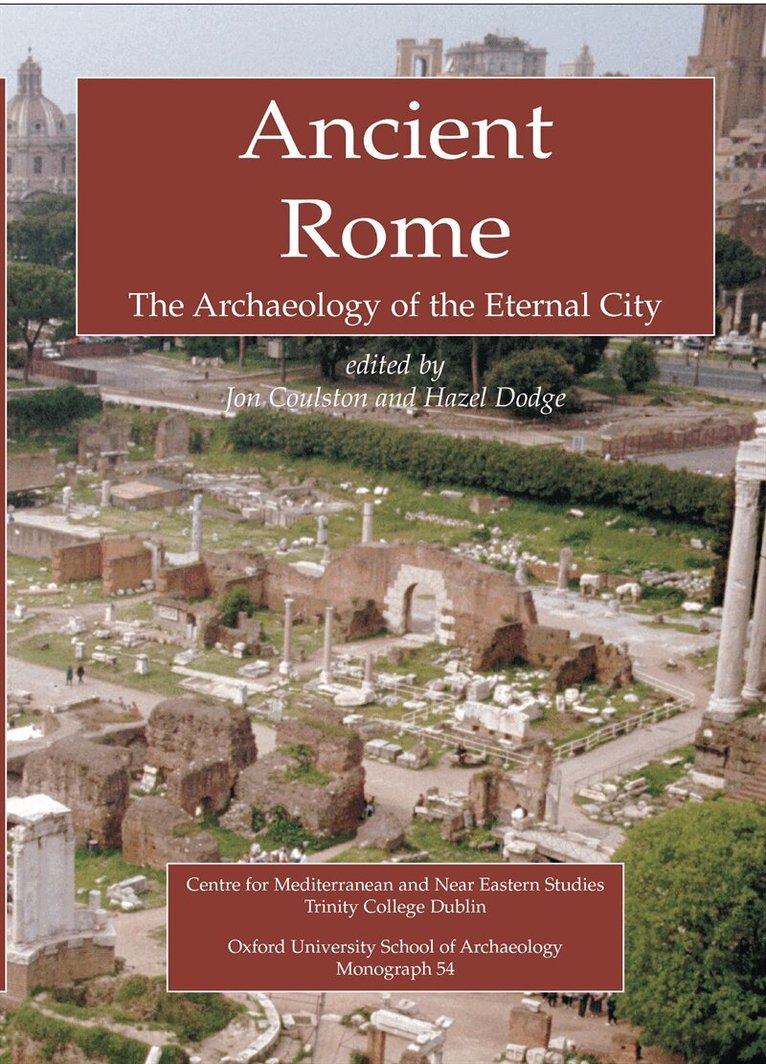
A major new book on the archaeology of Rome. The chapters, by an impressive list of contributors, are written to be as up-to-date and useful as possible, detailing lots of new research. There are new maps for the topography and monuments of Rome, a huge research bibliography containing 1,700 titles and the volume is richly illustrated. Essential for all Roman scholars and students. Contents: Preface: a bird's eye view ( Peter Wiseman ); Introduction ( Jon Coulston and Hazel Dodge ); Early and Archaic Rome ( Christopher Smith ); The city of Rome in the Middle Republic ( Tim Cornell ); The moral museum: Augustus and the image of Rome ( Susan Walker ); Armed and belted men: the soldiery in Imperial Rome ( Jon Coulston ); The construction industry in Imperial Rome ( Janet Delaine and G Aldrete ); The feeding of Imperial Rome: the mechanics of the food supply system ( David Mattingly ); `Greater than the pyramids': the water supply of ancient Rome ( Hazel Dodge ); Entertaining Rome ( Kathleen Coleman ); Living and dying in the city of Rome: houses and tombs ( John Patterson ); Religions of Rome ( Simon Price ); Rome in the Late Empire ( Neil Christie ); Archaeology and innovation ( Hugh Petter ); Appendix: Sources for the study of ancient Rome ( Jon Coulston and Hazel Dodge ).
Häftad, Engelska, 2011
350 kr
Skickas inom 10-15 vardagar
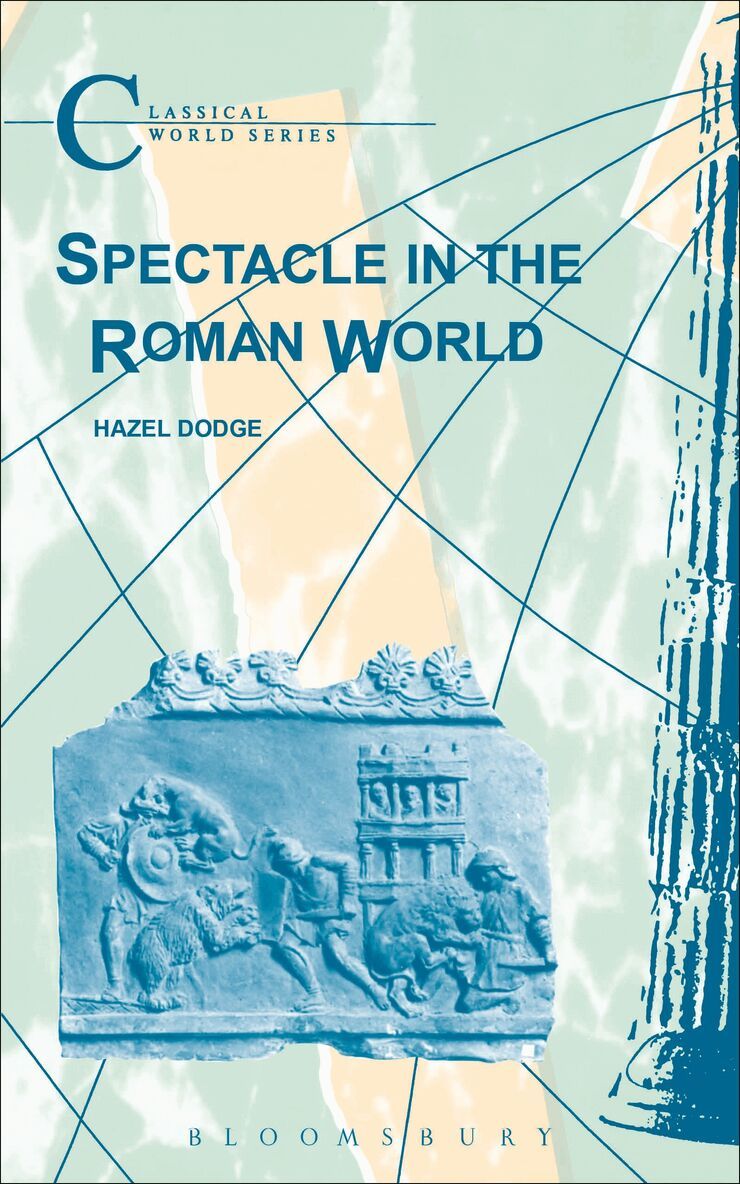
Gladiatorial combat, animal displays, naumachiae (staged naval battles) and spectacular executions were all an important part of Roman culture. The provision of a wide range of purpose-built buildings (from theatres to amphitheatres to circuses) as venues across the empire is testimony to the popularity and significance of these displays. This book offers an introduction to the main forms of spectacle in the Roman world (human and animal combat, chariot racing, aquatic displays), their nature, context and social importance. It will explore the vast array of sources, from literary to archaeological material, that informs the subject. It will examine the spectacles with special emphasis on their physical setting, and will also consider the variation in the provision of venues and their context across the Empire. A final section will review the modern reception of Roman spectacles, especially those involving gladiators.