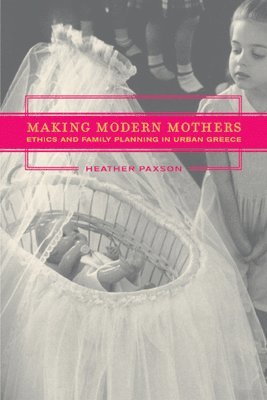
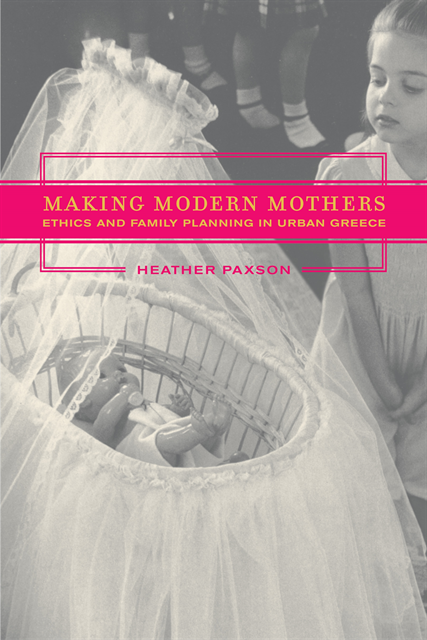
In Greece, women speak of mothering as "within the nature" of a woman. But this durable association of motherhood with femininity exists in tension with the highest incidence of abortion and one of the lowest fertility rates in Europe. In this setting, how do women think of themselves as proper individuals, mothers, and Greek citizens? In this anthropological study of reproductive politics and ethics in Athens, Greece, Heather Paxson tracks the effects of increasing consumerism and imported biomedical family planning methods, showing how women's "nature" is being transformed to meet crosscutting claims of the contemporary world. Locating profound ambivalence in people's ethical evaluations of gender and fertility control, Paxson offers a far-reaching analysis of conflicting assumptions about what it takes to be a good mother and a good woman in modern Greece, where assertions of cultural tradition unfold against a backdrop of European Union integration, economic struggle, and national demographic anxiety over a falling birth rate.
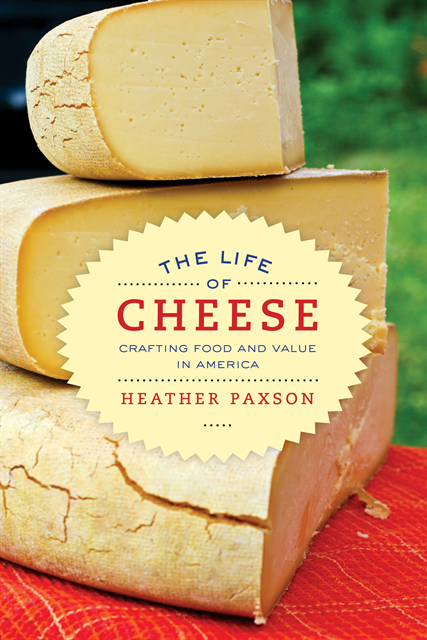
Cheese is alive, and alive with meaning. Heather Paxson's beautifully written anthropological study of American artisanal cheesemaking tells the story of how craftwork has become a new source of cultural and economic value for producers as well as consumers. Dairy farmers and artisans inhabit a world in which their colleagues and collaborators are a wild cast of characters, including plants, animals, microorganisms, family members, employees, and customers. As "unfinished" commodities, living products whose qualities are not fully settled, handmade cheeses embody a mix of new and old ideas about taste and value. By exploring the life of cheese, Paxson helps rethink the politics of food, land, and labor today.
In Greece, women speak of mothering as "within the nature" of a woman. But this durable association of motherhood with femininity exists in tension with the highest incidence of abortion and one of the lowest fertility rates in Europe. In this setting, how do women think of themselves as proper individuals, mothers, and Greek citizens? In this anthropological study of reproductive politics and ethics in Athens, Greece, Heather Paxson tracks the effects of increasing consumerism and imported biomedical family planning methods, showing how women''s "nature" is being transformed to meet crosscutting claims of the contemporary world. Locating profound ambivalence in people''s ethical evaluations of gender and fertility control, Paxson offers a far-reaching analysis of conflicting assumptions about what it takes to be a good mother and a good woman in modern Greece, where assertions of cultural tradition unfold against a backdrop of European Union integration, economic struggle, and national demographic anxiety over a falling birth rate.
Cheese is alive, and alive with meaning. Heather Paxson’s beautifully written anthropological study of American artisanal cheesemaking tells the story of how craftwork has become a new source of cultural and economic value for producers as well as consumers. Dairy farmers and artisans inhabit a world in which their colleagues and collaborators are a wild cast of characters, including plants, animals, microorganisms, family members, employees, and customers. As "unfinished" commodities, living products whose qualities are not fully settled, handmade cheeses embody a mix of new and old ideas about taste and value. By exploring the life of cheese, Paxson helps rethink the politics of food, land, and labor today.
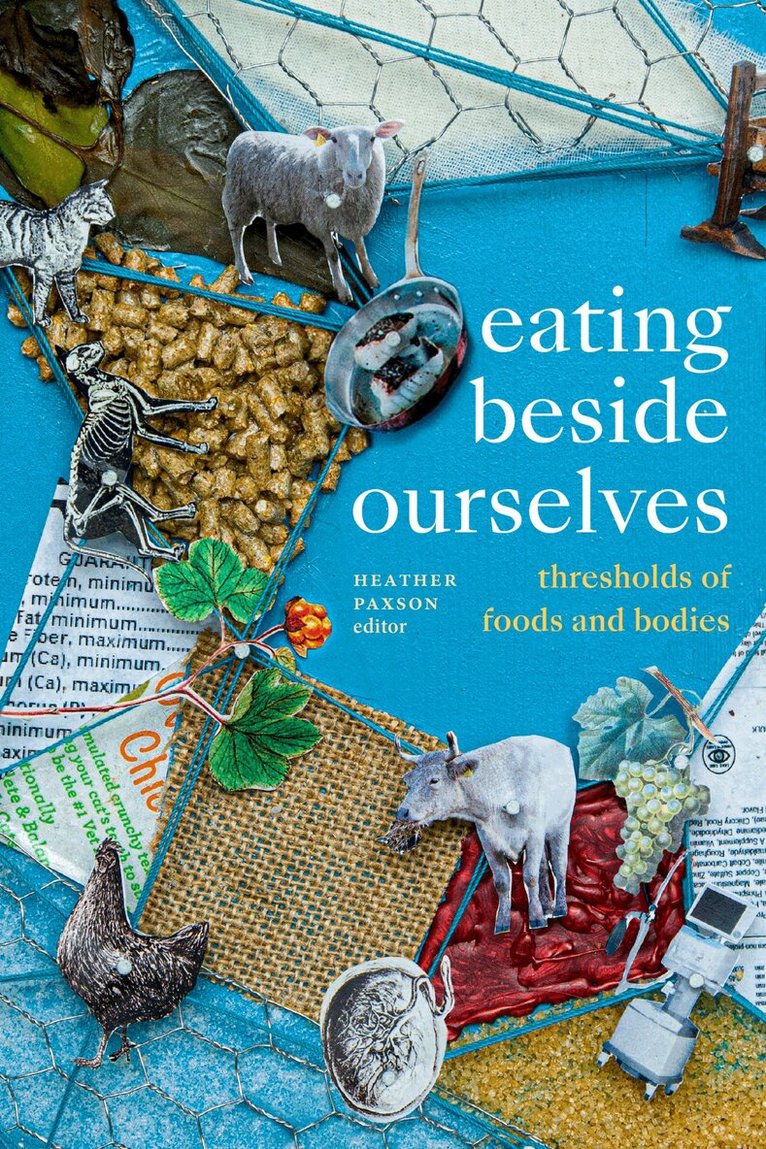
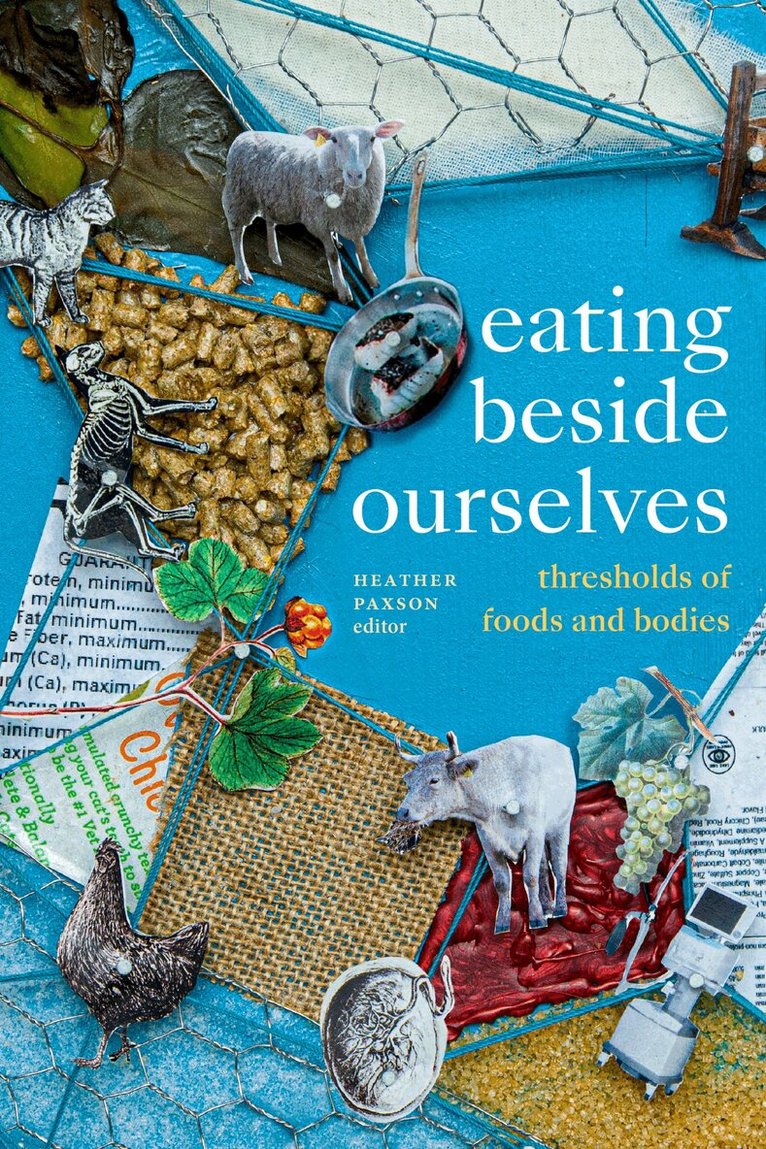
Eating beside Ourselves examines eating as a site of transfer and transformation across bodies and selves. The contributors show that by turning organic substance into food, acts of eating create interconnected food webs organized by relative conditions of edibility through which eaters may in turn become eaten. In case studies ranging from nineteenth- and twentieth-century industrial animal husbandry in the United States, biodynamic winemaking in Aotearoa New Zealand, and reindeer herding in Arctic Norway to the creation of taste sensation in pet food and the entanglement of sugar and diabetes in the Caribbean, the contributors explore how food and eating create thresholds for human and nonhuman relations. These thresholds mediate different conditions and states of being: between living and dying, between the edible and the inedible, and the relationship between living organisms and their surrounding environment. In this way, acts of eating and the process of metabolism partake in the making and unmaking of multispecies ontologies, taxonomies, and ecologies.Contributors. Alex Blanchette, Deborah Heath, Hannah Landecker, Marianne Elisabeth Lien, Amy Moran-Thomas, Heather Paxson, Harris Solomon, Emily Yates-Doerr, Wim Van Daele