Héctor Domínguez-Ruvalcaba - Böcker
Visar alla böcker från författaren Héctor Domínguez-Ruvalcaba. Handla med fri frakt och snabb leverans.
4 produkter
4 produkter
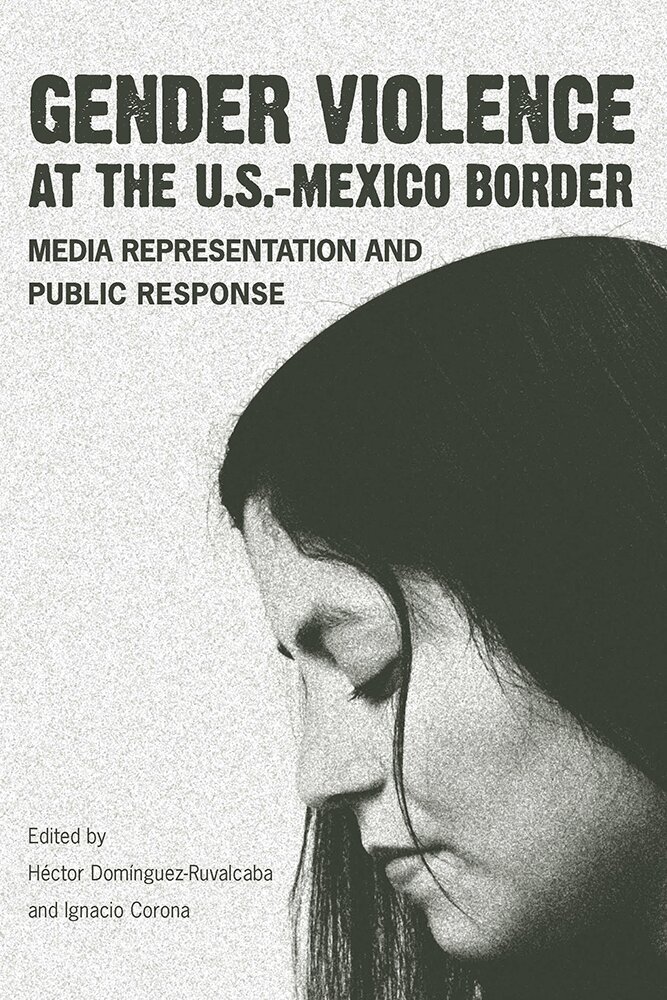
Gender Violence at the U.S.--Mexico Border
Media Representation and Public Response
Häftad, Engelska, 2012
296 kr
Skickas inom 7-10 vardagar
The U.S.-Mexico border is frequently presented by contemporary media as a violent and dangerous place. But that is not a new perception. For decades the border has been constructed as a topographic metaphor for all forms of illegality, in which an ineffable link between space and violence is somehow assumed. The sociological and cultural implications of violence have recently emerged at the forefront of academic discussions about the border. And yet few studies have been devoted to one of its most disturbing manifestations: gender violence. This book analyzes this pervasive phenomenon, including the femicides in Ciudad Juárez that have come to exemplify, at least for the media, its most extreme manifestation. Contributors to this volume propose that the study of gender-motivated violence requires interpretive and analytical strategies that draw on methods reaching across the divide between the social sciences and the humanities. Through such an interdisciplinary conversation, the book examines how such violence is (re)presented in oral narratives, newspaper reports, films and documentaries, novels, TV series, and legal discourse. It also examines the role that the media have played in this process, as well as the legal initiatives that might address this pressing social problem. Together these essays offer a new perspective on the implications of, and connections between, gendered forms of violence and topics such as mechanisms of social violence, the micro-social effects of economic models, the asymmetries of power in local, national, and transnational configurations, and the particular rhetoric, aesthetics, and ethics of discourses that represent violence.
Gender Violence at the U.S.-Mexico Border
Media Representation and Public Response
Inbunden, Engelska, 2010
885 kr
Skickas inom 3-6 vardagar
The U.S.-Mexico border is frequently presented by contemporary media as a violent and dangerous place. But that is not a new perception. For decades the border has been constructed as a topographic metaphor for all forms of illegality, in which an ineffable link between space and violence is somehow assumed. The sociological and cultural implications of violence have recently emerged at the forefront of academic discussions about the border. And yet few studies have been devoted to one of its most disturbing manifestations: gender violence. This book analyzes this pervasive phenomenon, including the femicides in Ciudad Juarez that have come to exemplify, at least for the media, its most extreme manifestation. Contributors to this volume propose that the study of gender-motivated violence requires interpretive and analytical strategies that draw on methods reaching across the divide between the social sciences and the humanities. Through such an interdisciplinary conversation, the book examines how such violence is (re)presented in oral narratives, newspaper reports, films and documentaries, novels, TV series, and legal discourse. It also examines the role that the media have played in this process, as well as the legal initiatives that might address this pressing social problem. Together these essays offer a new perspective on the implications of, and connections between, gendered forms of violence and topics such as mechanisms of social violence, the micro-social effects of economic models, the asymmetries of power in local, national, and transnational configurations, and the particular rhetoric, aesthetics, and ethics of discourses that represent violence.
287 kr
Skickas inom 10-15 vardagar
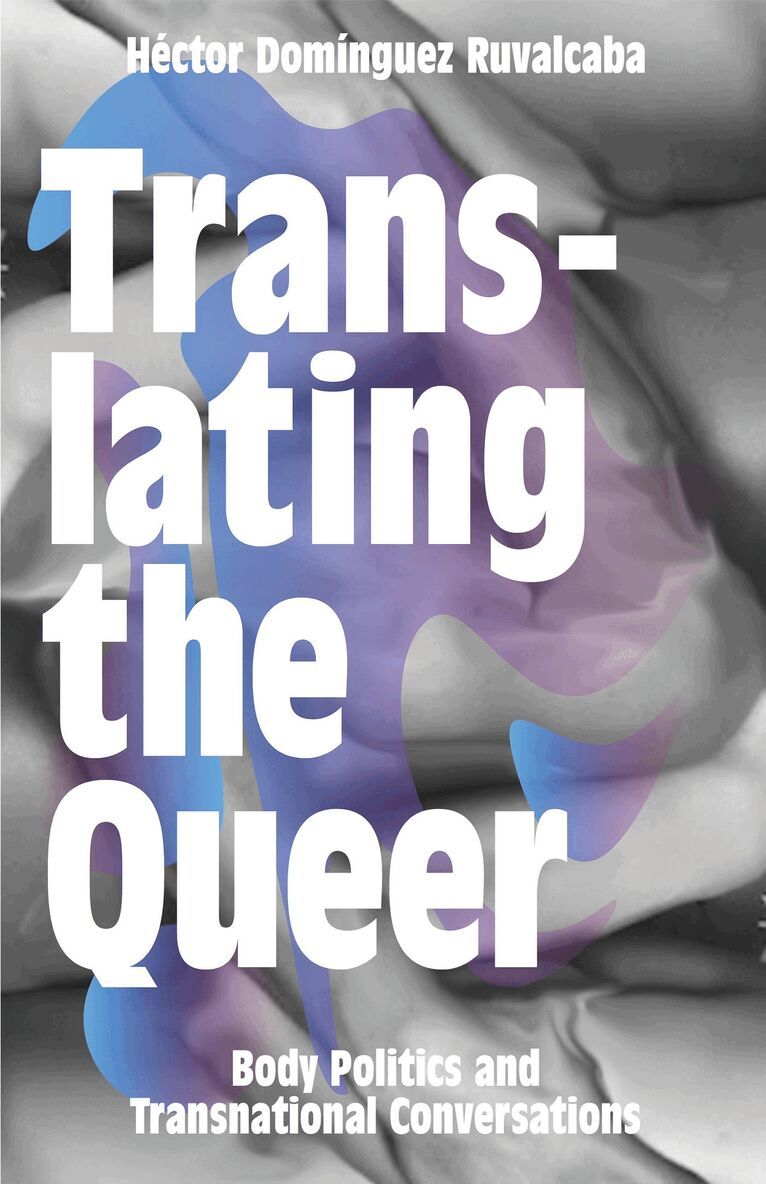
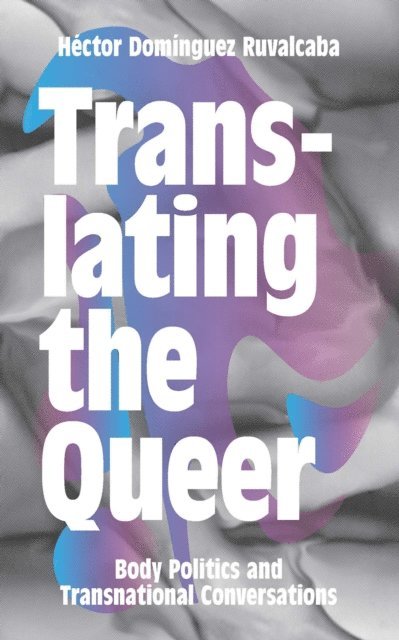
What does it mean to queer a concept? If queerness is a notion that implies a destabilization of the normativity of the body, then all cultural systems contain zones of discomfort relevant to queer studies. What then might we make of such zones when the use of the term queer itself has transcended the fields of sex and gender, becoming a metaphor for addressing such cultural phenomena as hybridization, resignification, and subversion? Further still, what should we make of it when so many people are reluctant to use the term queer, because they view it as theoretical colonialism, or a concept that loses its specificity when applied to a culture that signifies and uses the body differently?Translating the Queer focuses on the dissemination of queer knowledge, concepts, and representations throughout Latin America, a migration that has been accompanied by concomitant processes of translation, adaptation, and epistemological resistance.
1 209 kr
Skickas inom 10-15 vardagar
What does it mean to queer a concept? If queerness is a notion that implies a destabilization of the normativity of the body, then all cultural systems contain zones of discomfort relevant to queer studies. What then might we make of such zones when the use of the term queer itself has transcended the fields of sex and gender, becoming a metaphor for addressing such cultural phenomena as hybridization, resignification, and subversion? Further still, what should we make of it when so many people are reluctant to use the term queer, because they view it as theoretical colonialism, or a concept that loses its specificity when applied to a culture that signifies and uses the body differently?Translating the Queer focuses on the dissemination of queer knowledge, concepts, and representations throughout Latin America, a migration that has been accompanied by concomitant processes of translation, adaptation, and epistemological resistance.