Heidi A. Strobel - Böcker
Visar alla böcker från författaren Heidi A. Strobel. Handla med fri frakt och snabb leverans.
4 produkter
4 produkter
708 kr
Skickas inom 10-15 vardagar
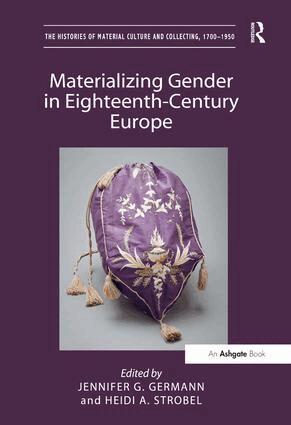
Art history has enriched the study of material culture as a scholarly field. This interdisciplinary volume enhances this literature through the contributors' engagement with gender as the conceptual locus of analysis in terms of femininity, masculinity, and the spaces in between. Collectively, these essays by art historians and museum professionals argue for a more complex understanding of the relationship between objects and subjects in gendered terms. The objects under consideration range from the quotidian to the exotic, including beds, guns, fans, needle paintings, prints, drawings, mantillas, almanacs, reticules, silver punch bowls, and collage. These material goods may have been intended to enforce and affirm gendered norms, however as the essays demonstrate, their use by subjects frequently put normative formations of gender into question, revealing the impossibility of permanently fixing gender in relation to material goods, concepts, or bodies. This book will appeal to art historians, museum professionals, women's and gender studies specialists, students, and all those interested in the history of objects in everyday life.
Art of Mary Linwood
Embroidery, Installation, and Entrepreneurship in Britain, 1787-1845
Inbunden, Engelska, 2024
1 300 kr
Skickas inom 7-10 vardagar
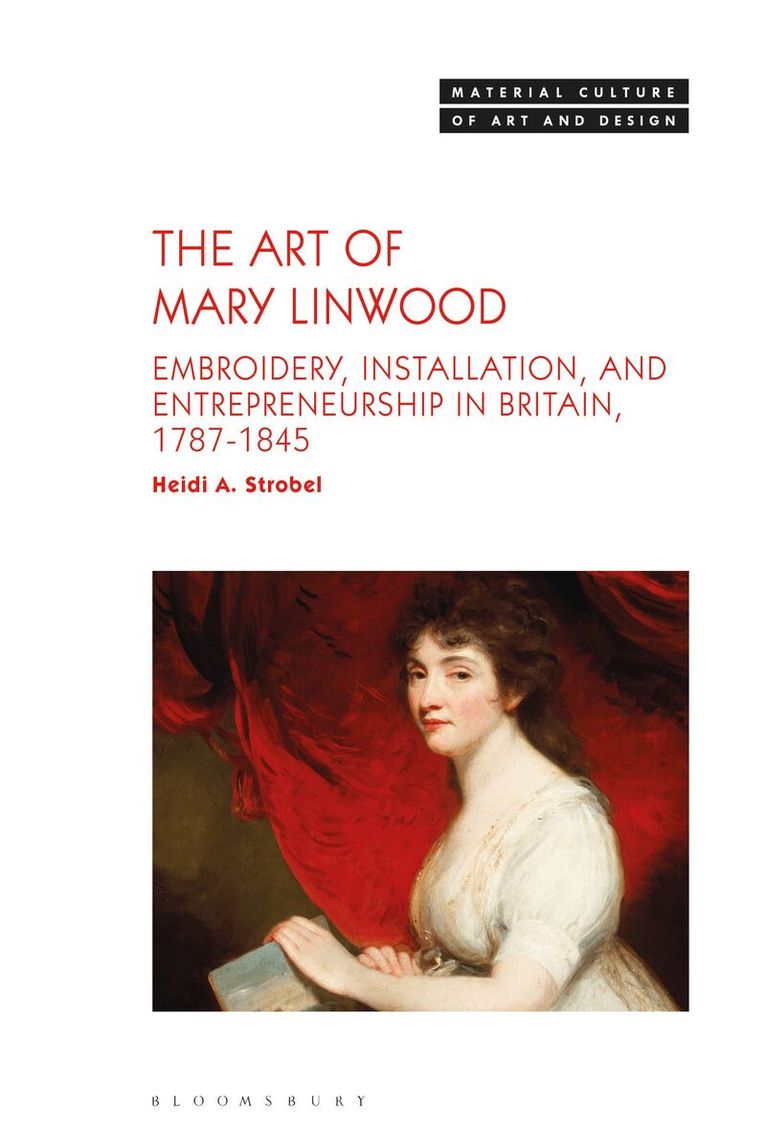
The Art of Mary Linwood is the first book on Leicester textile artist Mary Linwood (1755-1845) and catalogue of her work. When British textile artist and gallery owner Mary Linwood died in 1845 just shy of 90 years old, her estate was worth the equivalent of £5,199,822 in today’s currency. As someone who made, but did not sell, embroidered replicas of famous artworks after artists such as Gainsborough, Reynolds, Stubbs, and Morland, how did she accumulate so much money? A pioneering woman in the male-dominated art world of late Georgian Britain, Linwood established her own London gallery in 1798 that featured copies of well-known paintings by these popular artists. Featuring props and specially designed rooms for her replicas, she ensured that her visitors had an entertaining, educational, and kinetic tour, similar to what Madame Tussaud would do one generation later. The gallery’s focus on picturesque painters provided her London visitors with an idyllic imaginary journey through the countryside. Its emphasis on quintessentially British artists provided a unifying focus for a country that had recently emerged from the threat of Napoleonic invasion.This book brings to the fore Linwood's gallery guides and previously unpublished letters to her contemporaries, such as Birmingham inventor Matthew Boulton and Queen Charlotte. It also includes the first and only catalogue of Linwood’s extant and destroyed works. By examining Linwood’s replicas and their accompanying objects through the lens of material culture, the book provides a much-needed contribution to the scholarship on women and cultural agency in the early 19th century.
Art of Mary Linwood
Embroidery, Installation, and Entrepreneurship in Britain, 1787-1845
Häftad, Engelska, 2025
406 kr
Skickas inom 10-15 vardagar
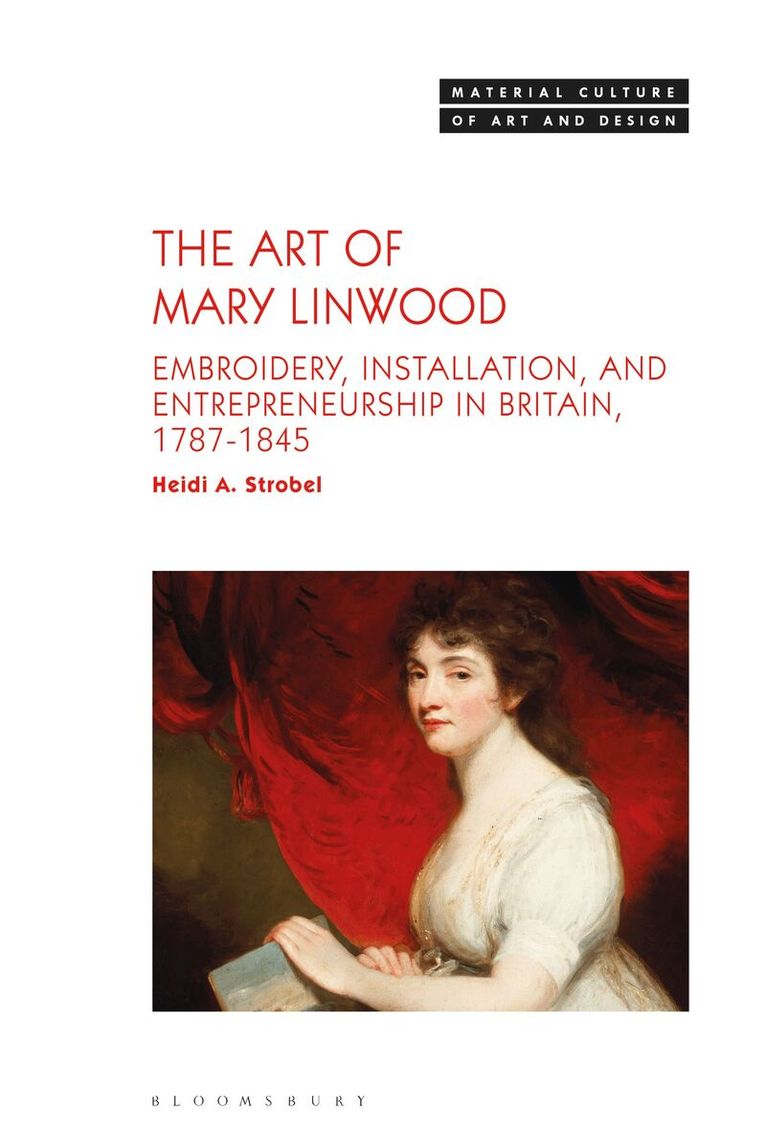
The Art of Mary Linwood is the first book on Leicester textile artist Mary Linwood (1755-1845) and catalogue of her work. When British textile artist and gallery owner Mary Linwood died in 1845 just shy of 90 years old, her estate was worth the equivalent of £5,199,822 in today’s currency. As someone who made, but did not sell, embroidered replicas of famous artworks after artists such as Gainsborough, Reynolds, Stubbs, and Morland, how did she accumulate so much money? A pioneering woman in the male-dominated art world of late Georgian Britain, Linwood established her own London gallery in 1798 that featured copies of well-known paintings by these popular artists. Featuring props and specially designed rooms for her replicas, she ensured that her visitors had an entertaining, educational, and kinetic tour, similar to what Madame Tussaud would do one generation later. The gallery’s focus on picturesque painters provided her London visitors with an idyllic imaginary journey through the countryside. Its emphasis on quintessentially British artists provided a unifying focus for a country that had recently emerged from the threat of Napoleonic invasion.This book brings to the fore Linwood's gallery guides and previously unpublished letters to her contemporaries, such as Birmingham inventor Matthew Boulton and Queen Charlotte. It also includes the first and only catalogue of Linwood’s extant and destroyed works. By examining Linwood’s replicas and their accompanying objects through the lens of material culture, the book provides a much-needed contribution to the scholarship on women and cultural agency in the early 19th century.
2 299 kr
Skickas inom 10-15 vardagar
Art history has enriched the study of material culture as a scholarly field. This interdisciplinary volume enhances this literature through the contributors' engagement with gender as the conceptual locus of analysis in terms of femininity, masculinity, and the spaces in between. Collectively, these essays by art historians and museum professionals argue for a more complex understanding of the relationship between objects and subjects in gendered terms. The objects under consideration range from the quotidian to the exotic, including beds, guns, fans, needle paintings, prints, drawings, mantillas, almanacs, reticules, silver punch bowls, and collage. These material goods may have been intended to enforce and affirm gendered norms, however as the essays demonstrate, their use by subjects frequently put normative formations of gender into question, revealing the impossibility of permanently fixing gender in relation to material goods, concepts, or bodies. This book will appeal to art historians, museum professionals, women's and gender studies specialists, students, and all those interested in the history of objects in everyday life.