Heidi Knecht – författare
Visar alla böcker från författaren Heidi Knecht. Handla med fri frakt och snabb leverans.
4 produkter
4 produkter
Inbunden, Engelska, 1997
1 671 kr
Skickas inom 10-15 vardagar
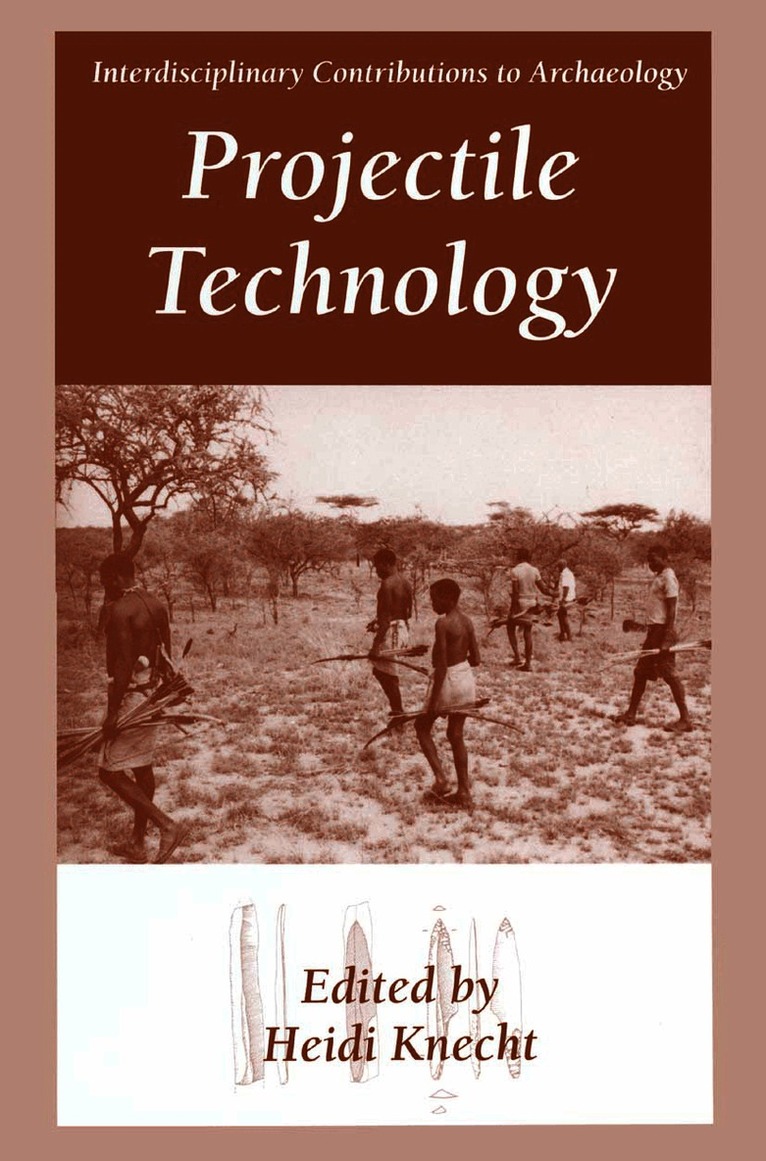
Artifacts linked to projectile technologies traditionally have provided the foundations for time-space systematics and cultural-historic frameworks in archaeological research having to do with foragers. With the shift in archae ological research objectives to processual interpretations, projectile technolo gies continue to receive marked attention, but with an emphasis on the implications of variability in such areas as design, function, and material as they relate to the broader questions of human adaptation. The reason that this particular domain of foraging technology persists as an important focus of research, I think, comes in three parts. A projectile technology was a crucial part of most foragers' strategies for survival, it was functionally spe cific, and it generally was fabricated from durable materials likely to be detected archaeologically. Being fundamental to meat acquisition and the principal source of calo ries, projectile technologies were typically afforded greater time-investment, formal modification, and elaboration of attributes than others. Moreover, such technologies tend to display greater standardization because of con straints on size, morphology, and weight that are inherent to the delivery system. The elaboration of attributes and standardization of form gives pro jectile technologies time-and space-sensitivity that is greater than most other foraging technologies. And such sensitivity is immensely valuable in archae ological research.

Häftad, Engelska, 1988
391 kr
Skickas inom 3-6 vardagar
E-bok
PDF, Engelska, 20132 110 kr
Läs direkt efter köp
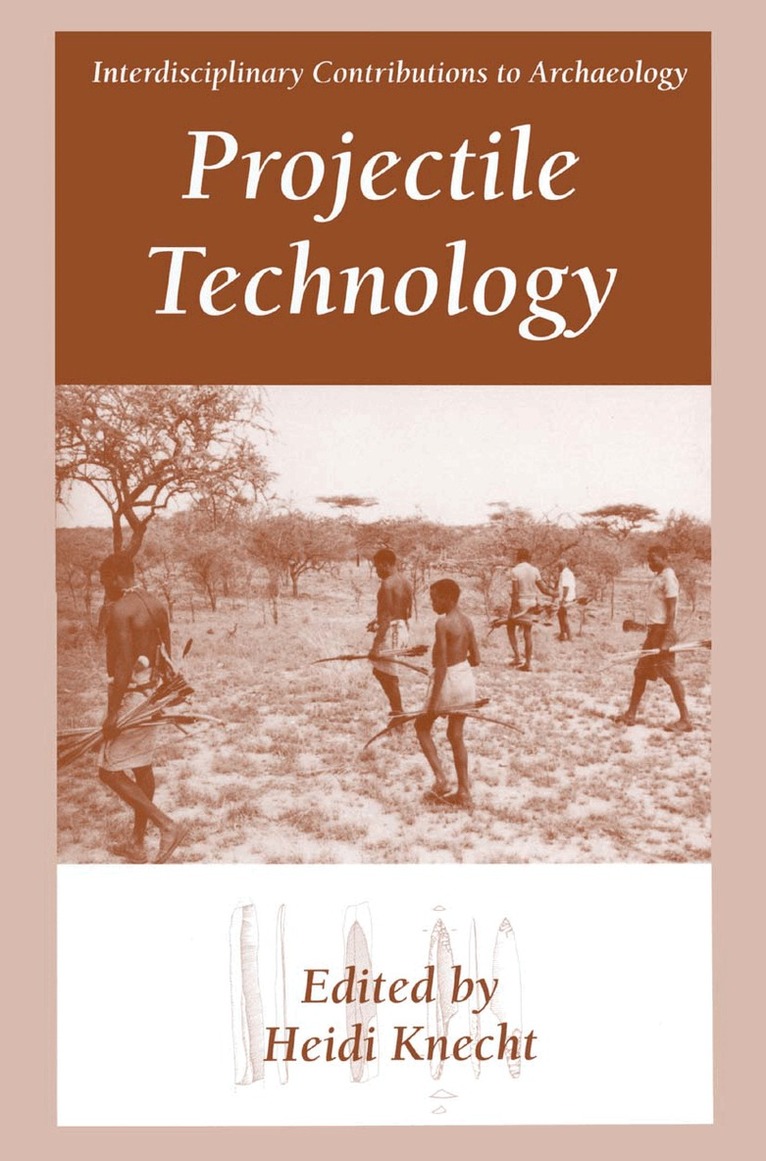
Artifacts linked to projectile technologies traditionally have provided the foundations for time-space systematics and cultural-historic frameworks in archaeological research having to do with foragers. With the shift in archae ological research objectives to processual interpretations, projectile technolo gies continue to receive marked attention, but with an emphasis on the implications of variability in such areas as design, function, and material as they relate to the broader questions of human adaptation. The reason that this particular domain of foraging technology persists as an important focus of research, I think, comes in three parts. A projectile technology was a crucial part of most foragers'' strategies for survival, it was functionally spe cific, and it generally was fabricated from durable materials likely to be detected archaeologically. Being fundamental to meat acquisition and the principal source of calo ries, projectile technologies were typically afforded greater time-investment, formal modification, and elaboration of attributes than others. Moreover, such technologies tend to display greater standardization because of con straints on size, morphology, and weight that are inherent to the delivery system. The elaboration of attributes and standardization of form gives pro jectile technologies time-and space-sensitivity that is greater than most other foraging technologies. And such sensitivity is immensely valuable in archae ological research.
Häftad, Engelska, 2013
1 671 kr
Skickas inom 10-15 vardagar
Artifacts linked to projectile technologies traditionally have provided the foundations for time-space systematics and cultural-historic frameworks in archaeological research having to do with foragers. With the shift in archae ological research objectives to processual interpretations, projectile technolo gies continue to receive marked attention, but with an emphasis on the implications of variability in such areas as design, function, and material as they relate to the broader questions of human adaptation. The reason that this particular domain of foraging technology persists as an important focus of research, I think, comes in three parts. A projectile technology was a crucial part of most foragers' strategies for survival, it was functionally spe cific, and it generally was fabricated from durable materials likely to be detected archaeologically. Being fundamental to meat acquisition and the principal source of calo ries, projectile technologies were typically afforded greater time-investment, formal modification, and elaboration of attributes than others. Moreover, such technologies tend to display greater standardization because of con straints on size, morphology, and weight that are inherent to the delivery system. The elaboration of attributes and standardization of form gives pro jectile technologies time-and space-sensitivity that is greater than most other foraging technologies. And such sensitivity is immensely valuable in archae ological research.