Heiko F. Marten – författare
Visar alla böcker från författaren Heiko F. Marten. Handla med fri frakt och snabb leverans.
6 produkter
6 produkter
Inbunden, Engelska, 2018
1 407 kr
Skickas inom 10-15 vardagar
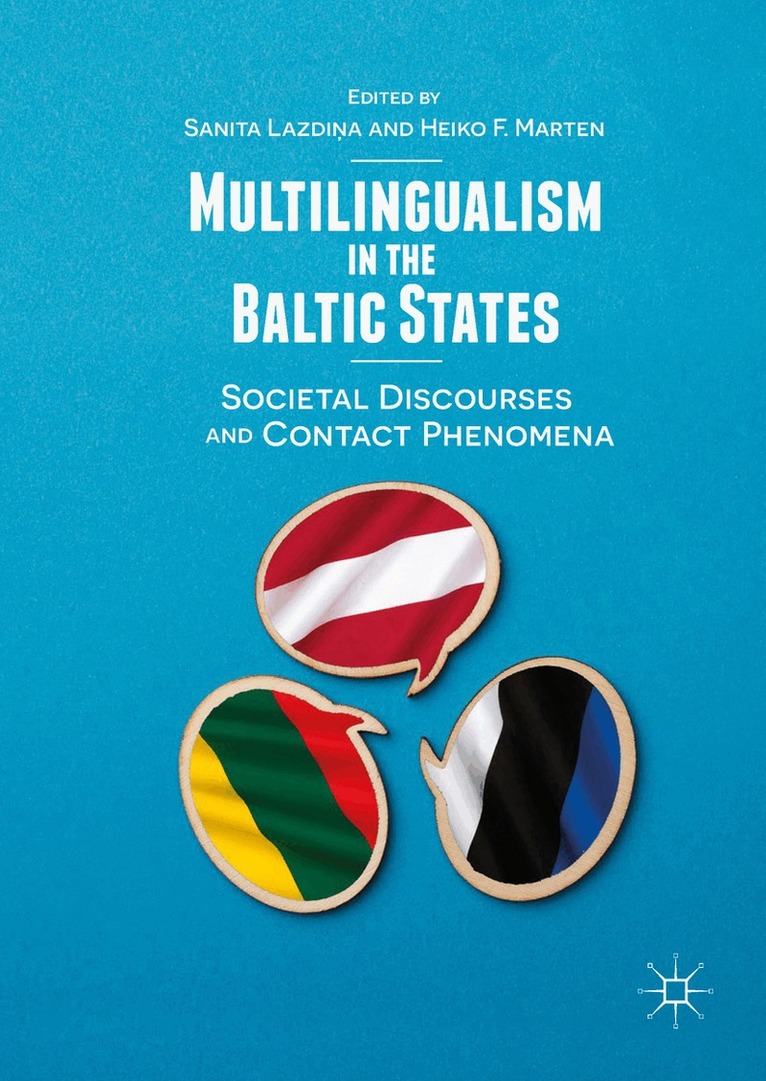
This edited collection provides an overview of linguistic diversity, societal discourses and interaction between majorities and minorities in the Baltic States. It presents a wide range of methods and research paradigms including folk linguistics, discourse analysis, narrative analyses, code alternation, ethnographic observations, language learning motivation, languages in education and language acquisition. Grouped thematically, its chapters examine regional varieties and minority languages (Latgalian, Võro, urban dialects in Lithuania, Polish in Lithuania); the integration of the Russian language and its speakers; and the role of international languages like English in Baltic societies. The editors’ introductory and concluding chapters provide a comparative perspective that situates these issues within the particular history of the region and broader debates on language and nationalism at a time of both increased globalization and ethno-regionalism. This book will appeal in particular to students and scholars of multilingualism, sociolinguistics, language discourses and language policy, and provide a valuable resource for researchers focusing on Baltic States, Northern Europe and the post-Soviet world in the related fields of history, political science, sociology and anthropology.
1 785 kr
Läs direkt efter köp
This edited collection provides an overview of linguistic diversity, societal discourses and interaction between majorities and minorities in the Baltic States. It presents a wide range of methods and research paradigms including folk linguistics, discourse analysis, narrative analyses, code alternation, ethnographic observations, language learning motivation, languages in education and language acquisition. Grouped thematically, its chapters examine regional varieties and minority languages (Latgalian, Võro, urban dialects in Lithuania, Polish in Lithuania); the integration of the Russian language and its speakers; and the role of international languages like English in Baltic societies. The editors’ introductory and concluding chapters provide a comparative perspective that situates these issues within the particular history of the region and broader debates on language and nationalism at a time of both increased globalization and ethno-regionalism. This book will appeal in particular to students and scholars of multilingualism, sociolinguistics, language discourses and language policy, and provide a valuable resource for researchers focusing on Baltic States, Northern Europe and the post-Soviet world in the related fields of history, political science, sociology and anthropology.
Del 13 - Multilingual Education
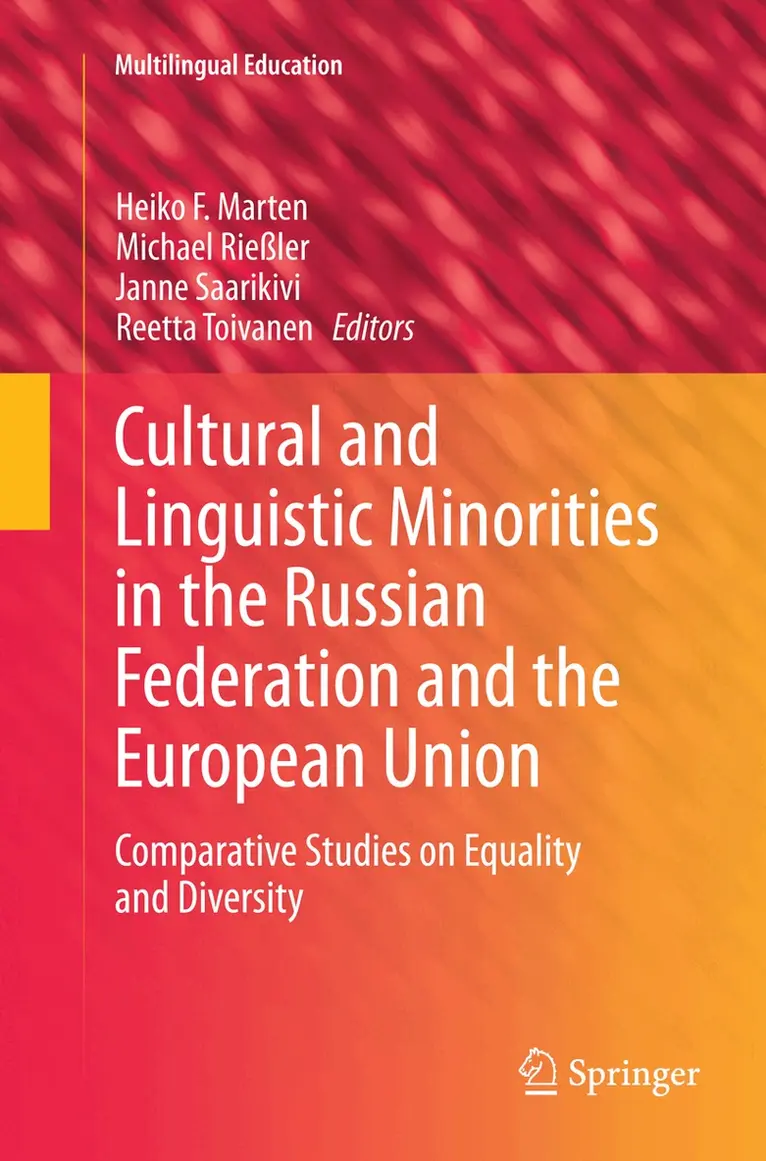
Cultural and Linguistic Minorities in the Russian Federation and the European Union
Comparative Studies on Equality and Diversity
Inbunden, Engelska, 2015
1 084 kr
Skickas inom 10-15 vardagar
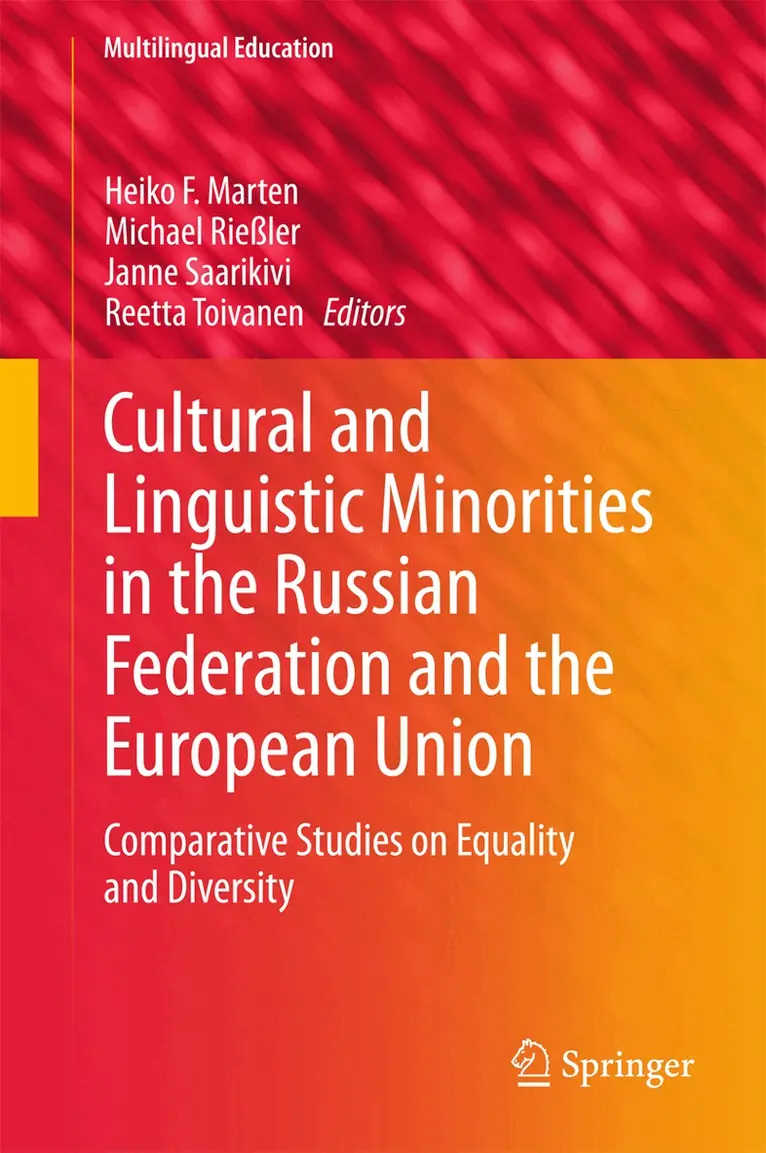
This is the first comprehensive volume to compare the sociolinguistic situations of minorities in Russia and in Western Europe. As such, it provides insight into language policies, the ethnolinguistic vitality and the struggle for reversal of language shift, language revitalization and empowerment of minorities in Russia and the European Union. The volume shows that, even though largely unknown to a broader English-reading audience, the linguistic composition of Russia is by no means less diverse than multilingualism in the EU. It is therefore a valuable introduction into the historical backgrounds and current linguistic, social and legal affairs with regard to Russia’s manifold ethnic and linguistic minorities, mirrored on the discussion of recent issues in a number of well-known Western European minority situations.
E-bok
PDF, Engelska, 20151 377 kr
Läs direkt efter köp
This is the first comprehensive volume to compare the sociolinguistic situations of minorities in Russia and in Western Europe. As such, it provides insight into language policies, the ethnolinguistic vitality and the struggle for reversal of language shift, language revitalization and empowerment of minorities in Russia and the European Union. The volume shows that, even though largely unknown to a broader English-reading audience, the linguistic composition of Russia is by no means less diverse than multilingualism in the EU. It is therefore a valuable introduction into the historical backgrounds and current linguistic, social and legal affairs with regard to Russia’s manifold ethnic and linguistic minorities, mirrored on the discussion of recent issues in a number of well-known Western European minority situations.
Del 13 - Multilingual Education
Cultural and Linguistic Minorities in the Russian Federation and the European Union
Comparative Studies on Equality and Diversity
Häftad, Engelska, 2016
1 116 kr
Skickas inom 10-15 vardagar
This is the first comprehensive volume to compare the sociolinguistic situations of minorities in Russia and in Western Europe. As such, it provides insight into language policies, the ethnolinguistic vitality and the struggle for reversal of language shift, language revitalization and empowerment of minorities in Russia and the European Union. The volume shows that, even though largely unknown to a broader English-reading audience, the linguistic composition of Russia is by no means less diverse than multilingualism in the EU. It is therefore a valuable introduction into the historical backgrounds and current linguistic, social and legal affairs with regard to Russia’s manifold ethnic and linguistic minorities, mirrored on the discussion of recent issues in a number of well-known Western European minority situations.
E-bok
PDF, Tyska, 2016227 kr
Läs direkt efter köp
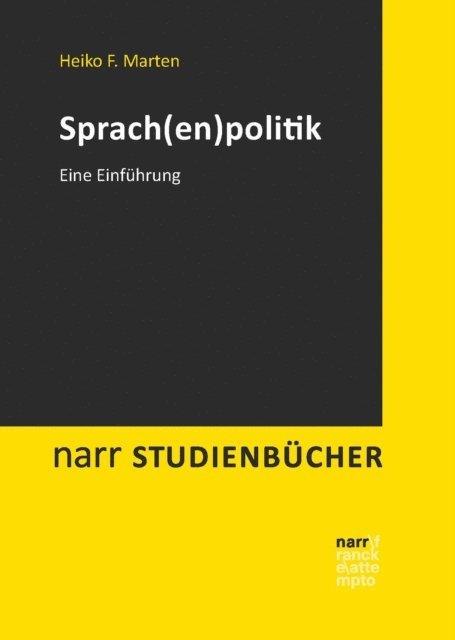
Sprach(en)politik findet auf allen gesellschaftlichen Ebenen statt: Ob der Einfluss von Anglizismen auf das Deutsche, der Umgang mit Migrantensprachen, die Förderung traditioneller Minderheitensprachen wie des Sorbischen, die Rechtschreibreform und ihre Auswirkungen, die Frage, welche Fremdsprachen an Schulen gelehrt werden sollten, oder individuelle Entscheidungen zum Sprachenlernen und zur Verwendung bestimmter Lexeme: Debatten und Meinungen zu Sprache(n) und Sprachformen sind Teil unseres Alltages. Dass Sprache und das Verhältnis von Sprachen in der Gesellschaft - bewusst oder unbewusst - gesteuert werden, wird dagegen in deutschsprachigen Kontexten eher selten thematisiert. Dieses Buch gibt einen Überblick über Ansätze, Praktiken, Theorien und Perspektiven auf wichtige Bereiche der Sprach(en)politik. Der erste Teil ist theoretisch gehalten, der zweite Teil stellt eine Reihe von Ländern vor, die beispielhaft für wichtige Ansätze der sprachpolitischen Praxis stehen, aber auch nach ihrer Bedeutung für die größten philologischen Fächer (Germanistik, Anglistik, Romanistik) ausgewählt wurden. Damit liegt die erste systematische deutschsprachige Einführung in ein Thema vor, das international seit langem ein großes Maß an Aufmerksamkeit erhält. Sie richtet sich an Studierende und Lehrende sprachwissenschaftlicher Fächer und Nachbardisziplinen wie Sozialwissenschaften oder Jura, an Akteure der sprachpolitischen Praxis in Politik, Verwaltung und NGOs ebenso wie an interessierte Laien.