Helena Maaria Paavilainen – författare
960 kr
Skickas inom 10-15 vardagar
2 757 kr
Läs direkt efter köp
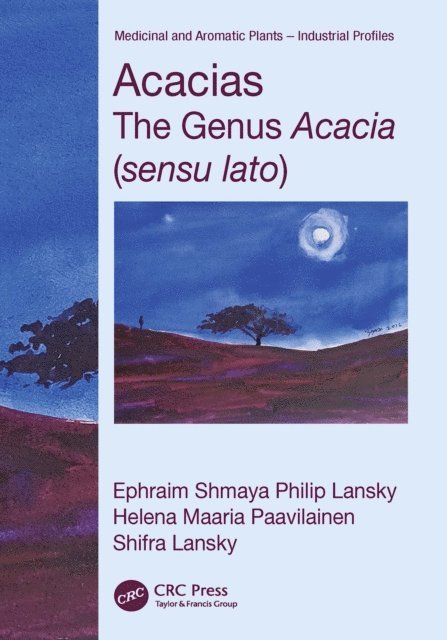
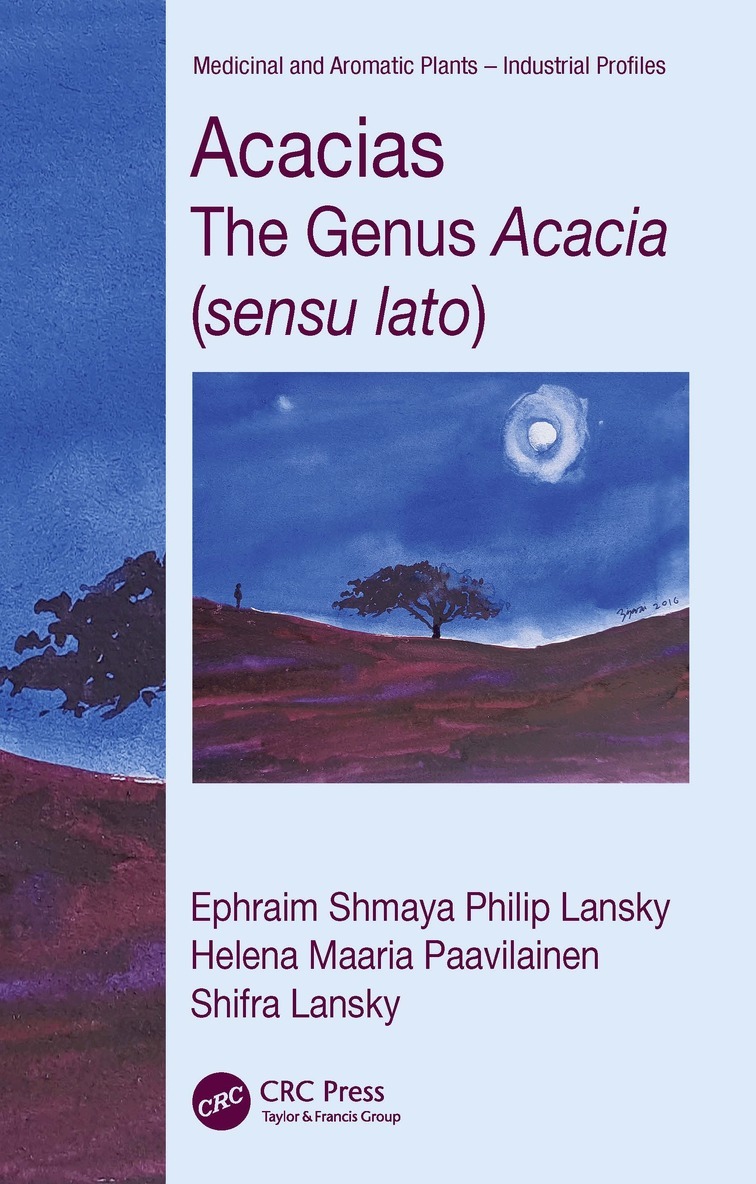
Acacias: The Genus Acacia (sensu lato) is an evidence-based treatment of this supergenus, through the eyes of a clinical pharmacognosist and integrative medicine specialist. The book begins with antiviral activity, revealing within the five genera of Acacia s.l., pharmacological properties and pharmacologically active compounds. Profiles of prominent species within these genera, including photographs, accompany the narrative of current research and traditional usage into antibacterial, antifungal, anticancer, antidiabetic, metabolic syndrome ameliorative, and psychotherapeutic potential.
Features
Comprehensive treatment of the entire Acacia sensu lato genus
Aids ethnopharmacological prospectors of new sources of novel botanically based medicines for modern metabolic and psychiatric diseases
Illuminates the presence of psychedelic simple substituted tryptamines in trees and their medical and psychotherapeutic potential
Continuing in the tradition of the previous volumes of the esteemed Medicinal and Aromatic Plants: Industrial Profiles series, Acacias: The Genus Acacia (sensu lato) provides a unique and comprehensive coverage of one of the most interesting and diverse genera of trees, firmly entrenched in the Levant, Africa, Australia, the Far East, and the New World. The influence of these genera on pharmacy and industry (especially through gum arabic, wildcrafted in Africa from Senegalia senegal), human consciousness, the advent and development of religions, planetary ecology, botanical therapeutics, and the emergence of psychedelic medicine reflect both the history of our species and the transformative promise of tomorrow.
2 757 kr
Läs direkt efter köp
Acacias: The Genus Acacia (sensu lato) is an evidence-based treatment of this supergenus, through the eyes of a clinical pharmacognosist and integrative medicine specialist. The book begins with antiviral activity, revealing within the five genera of Acacia s.l., pharmacological properties and pharmacologically active compounds. Profiles of prominent species within these genera, including photographs, accompany the narrative of current research and traditional usage into antibacterial, antifungal, anticancer, antidiabetic, metabolic syndrome ameliorative, and psychotherapeutic potential.
Features
Comprehensive treatment of the entire Acacia sensu lato genus
Aids ethnopharmacological prospectors of new sources of novel botanically based medicines for modern metabolic and psychiatric diseases
Illuminates the presence of psychedelic simple substituted tryptamines in trees and their medical and psychotherapeutic potential
Continuing in the tradition of the previous volumes of the esteemed Medicinal and Aromatic Plants: Industrial Profiles series, Acacias: The Genus Acacia (sensu lato) provides a unique and comprehensive coverage of one of the most interesting and diverse genera of trees, firmly entrenched in the Levant, Africa, Australia, the Far East, and the New World. The influence of these genera on pharmacy and industry (especially through gum arabic, wildcrafted in Africa from Senegalia senegal), human consciousness, the advent and development of religions, planetary ecology, botanical therapeutics, and the emergence of psychedelic medicine reflect both the history of our species and the transformative promise of tomorrow.
721 kr
Skickas inom 10-15 vardagar
1 113 kr
Läs direkt efter köp
1 363 kr
Läs direkt efter köp
1 184 kr
Skickas inom 10-15 vardagar
2 388 kr
Skickas inom 10-15 vardagar
852 kr
Läs direkt efter köp
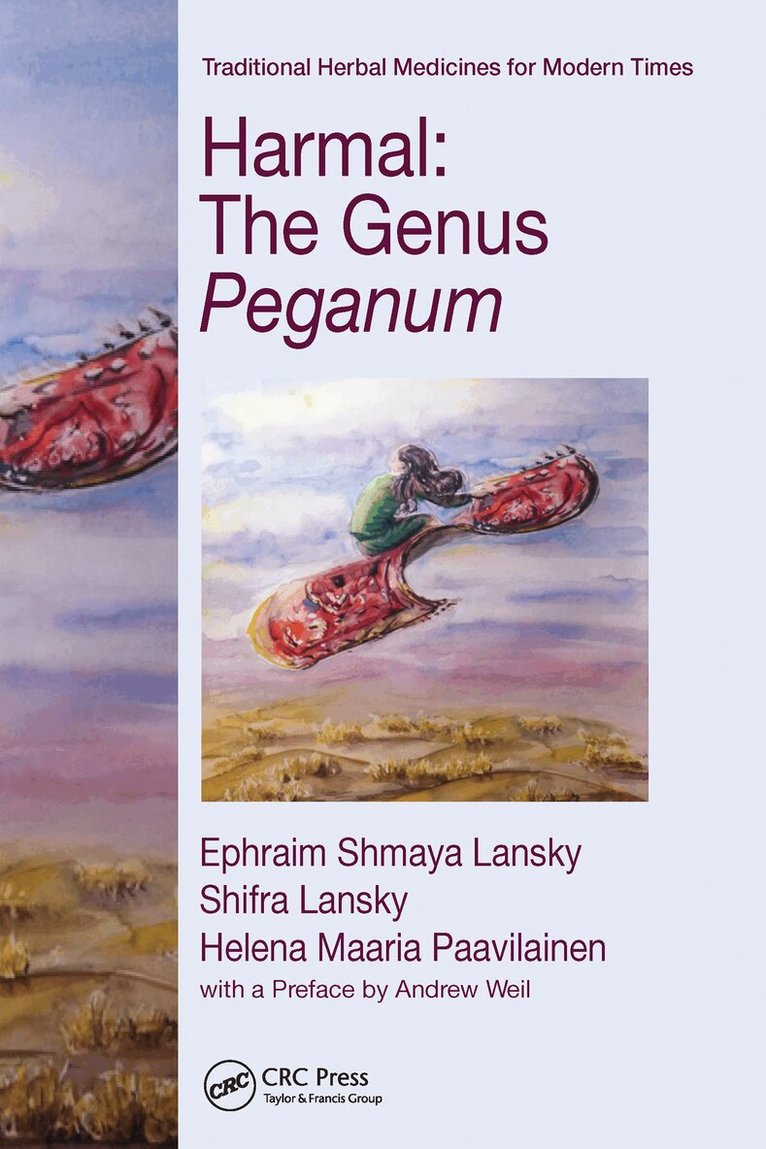
Harmal: The Genus Peganum is an in-depth treatment of one of the most commanding plants in the botanical kingdom. Humble in appearance, modest in its needs, Peganum harmala has been venerated for millennia as a Deity-manifesting entheogen and a powerful medicine. This book traverses harmal’s medicinal chemistry, its possible role in the origins of religion, and its employment from ancient times to the present in the therapy of patients suffering from infections, infestations, metabolic derangements, neurological degeneration, visual weakness, and cancer.
Its peculiar indolic compounds, known as harmala alkaloids, are now appreciated as exerting profound effects on the mind and on the body. These effects are the result of the alkaloids’ interactions with, and binding to, serotonin receptors on the cell surfaces of neurons in the brain and lymphocytes in the blood, the latter constituting the diffuse structural basis of the immune system. This biphasic modulation by harmala alkaloids has led to a novel pharmacologic re-visioning presented herein for the first time, the concept of a "lymphoneuric syncytium" and its possible long term tuning via "somatodelic" as well as "psychedelic" effects.
The scientific rationale underlying the use of harmal in the medicines of the past and the healing technologies of our future is developed through exhaustive and meticulous explorations in both ethnopharmacology and modern phytochemistry. The presentation is enhanced through appraisals of the effects of harmal in two clinical cancer case scenarios, and of intentional inebriation and "provings" by one of the authors and a psychiatric colleague. The noted and esteemed botanically-trained physician Dr. Andrew Weil states in his Preface that this "monumental" volume will become the standard reference work in the field. Harmal: The Genus Peganum will be an invaluable addition to the personal libraries of professional pharmacognosists, botanists, physicians, psychologists, neuroscientists, and all persons interested in the interrelationship of consciousness, medicine, and coevolution.
1 363 kr
Läs direkt efter köp
2 749 kr
Skickas inom 10-15 vardagar
1 103 kr
Läs direkt efter köp
2 749 kr
Skickas inom 10-15 vardagar
852 kr
Läs direkt efter köp
Harmal: The Genus Peganum is an in-depth treatment of one of the most commanding plants in the botanical kingdom. Humble in appearance, modest in its needs, Peganum harmala has been venerated for millennia as a Deity-manifesting entheogen and a powerful medicine. This book traverses harmal’s medicinal chemistry, its possible role in the origins of religion, and its employment from ancient times to the present in the therapy of patients suffering from infections, infestations, metabolic derangements, neurological degeneration, visual weakness, and cancer.
Its peculiar indolic compounds, known as harmala alkaloids, are now appreciated as exerting profound effects on the mind and on the body. These effects are the result of the alkaloids’ interactions with, and binding to, serotonin receptors on the cell surfaces of neurons in the brain and lymphocytes in the blood, the latter constituting the diffuse structural basis of the immune system. This biphasic modulation by harmala alkaloids has led to a novel pharmacologic re-visioning presented herein for the first time, the concept of a "lymphoneuric syncytium" and its possible long term tuning via "somatodelic" as well as "psychedelic" effects.
The scientific rationale underlying the use of harmal in the medicines of the past and the healing technologies of our future is developed through exhaustive and meticulous explorations in both ethnopharmacology and modern phytochemistry. The presentation is enhanced through appraisals of the effects of harmal in two clinical cancer case scenarios, and of intentional inebriation and "provings" by one of the authors and a psychiatric colleague. The noted and esteemed botanically-trained physician Dr. Andrew Weil states in his Preface that this "monumental" volume will become the standard reference work in the field. Harmal: The Genus Peganum will be an invaluable addition to the personal libraries of professional pharmacognosists, botanists, physicians, psychologists, neuroscientists, and all persons interested in the interrelationship of consciousness, medicine, and coevolution.
2 154 kr
Tillfälligt slut