Helene Carol Weldt-Basson – författare
Visar alla böcker från författaren Helene Carol Weldt-Basson. Handla med fri frakt och snabb leverans.
5 produkter
5 produkter
Inbunden, Engelska, 2024
821 kr
Skickas inom 5-8 vardagar
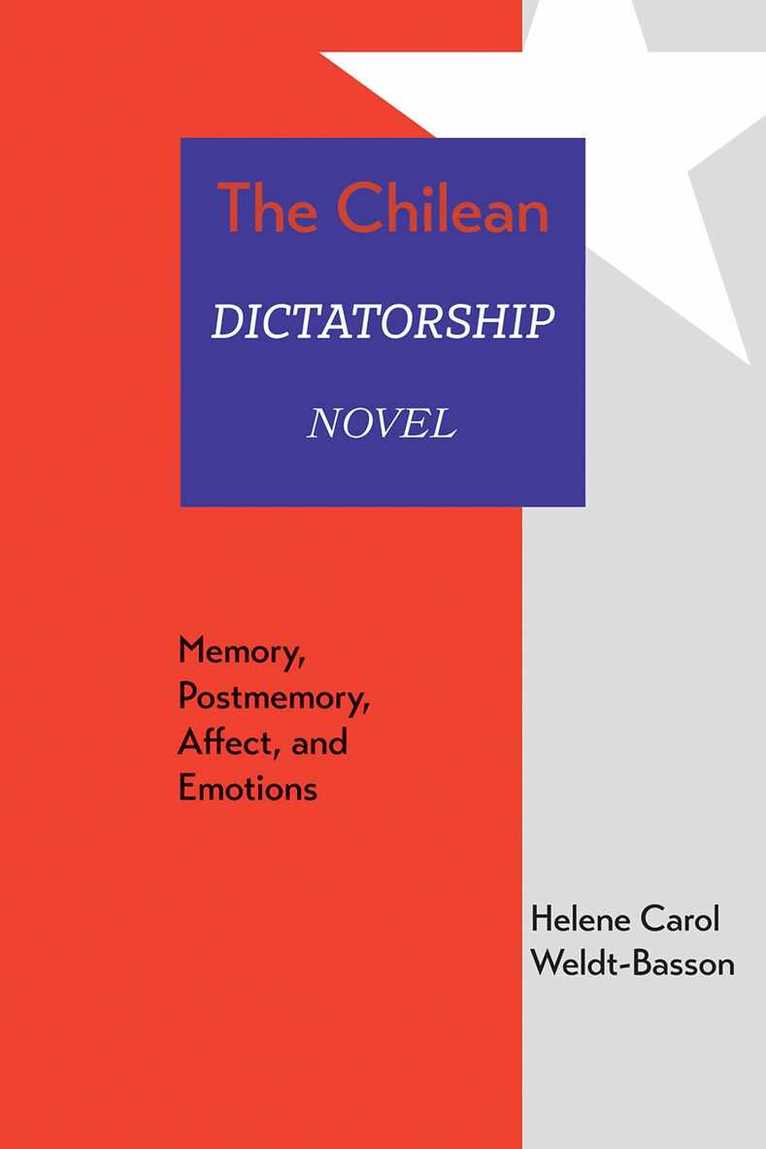
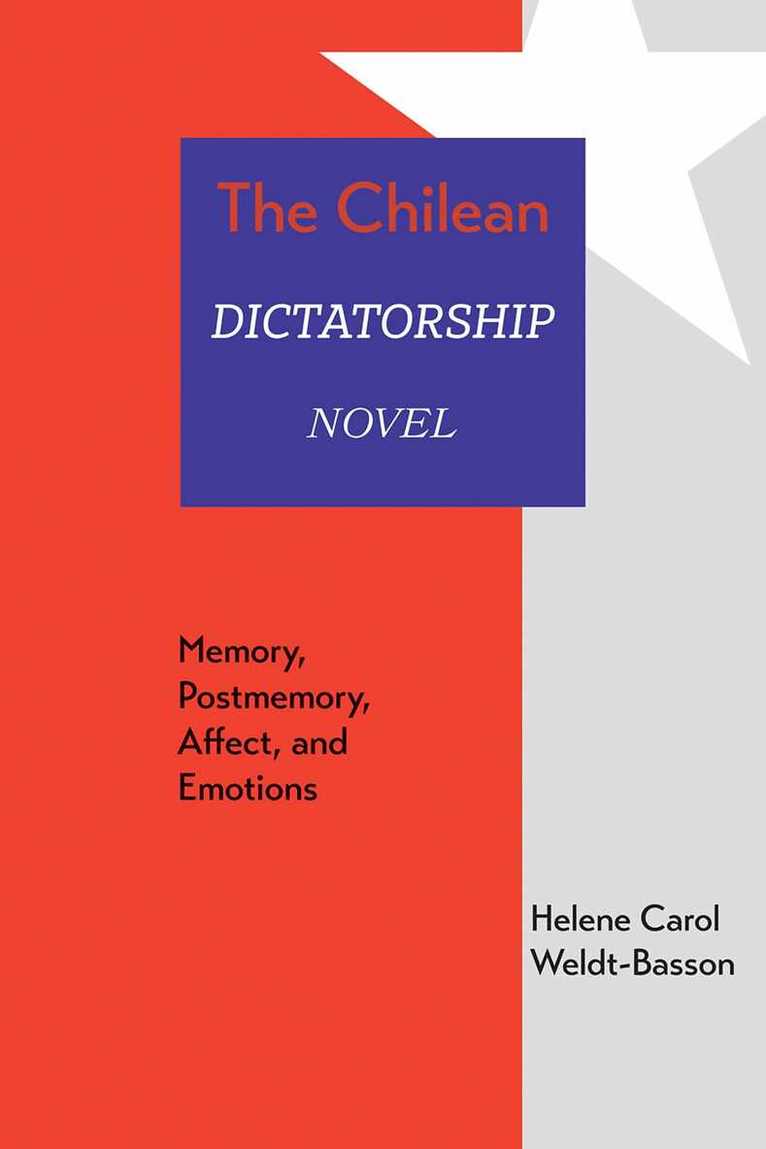
Though the civil-rights abuses by the Pinochet dictatorship in Chile (1973-1990) were later recognized by reparations and truth commissions, the difficult emotions suffered by the victims and their families were often pushed into the background or out of the national conversation entirely. In response, novelists began writing memory of feelings experienced during the dictatorship into their books. In The Chilean Dictatorship Novel, Weldt-Basson examines fifteen novels and one testimony written on the topic of dictatorship to illustrate how these Chilean narratives center on affect and emotions. Each chapter focuses on a different emotion: feelings of loss because of father abandonment and spatial injustice caused by the neoliberal urbanization of Santiago; despair articulated through tragic romances and affective landscapes; left-wing nostalgia and melancholia communicated through allegory; feelings of abjection caused by torture and betrayal; and the creation of affect through violent events, aggressive child play, and sexual torture. Through a close look at the work of José Donoso, Ariel Dorfman, Diamela Eltit, Carlos Franz, and Nona Fernández, among others, Weldt-Basson effectively argues that by inspiring emotion and creating empathy within readers, the authors of these books instill a drive in the readers for ongoing social-justice advocacy, thereby transforming the process of reading into a platform for future action. Weldt-Basson's landmark study will serve as a basis for the future study of Latin American literature for decades to come.
Häftad, Engelska, 2026
582 kr
Skickas inom 3-6 vardagar
A survey of classic literature from Chile born of the repressive Pinochet dictatorship in the seventies.Though the civil-rights abuses by the Pinochet dictatorship in Chile (1973–1990) were later recognized by reparations and truth commissions, the difficult emotions suffered by the victims and their families were often pushed into the background or out of the national conversation entirely. In response, novelists began writing the feelings experienced during the dictatorship into their books. In The Chilean Dictatorship Novel, Weldt-Basson examines fifteen novels and one testimony written on the topic of dictatorship to illustrate how these Chilean narratives center on affect and emotions. Each chapter focuses on a different emotion: feelings of loss because of a father's abandonment and spatial injustice caused by the neoliberal urbanization of Santiago; despair articulated through tragic romances and affective landscapes; left-wing nostalgia and melancholia communicated through allegory; feelings of abjection caused by torture and betrayal; and the creation of affect through violent events, aggressive child play, and sexual torture. Through a close look at the work of José Donoso, Ariel Dorfman, Diamela Eltit, Carlos Franz, and Nona Fernández, among others, Weldt-Basson effectively argues that by inspiring emotion and creating empathy within readers, the authors of these books instill a drive in the readers for ongoing social-justice advocacy, thereby transforming the process of reading into a platform for future action. Weldt-Basson’s landmark study will serve as a basis for the future study of Latin American literature for decades to come.
Häftad, Engelska, 2018
1 194 kr
Skickas inom 10-15 vardagar
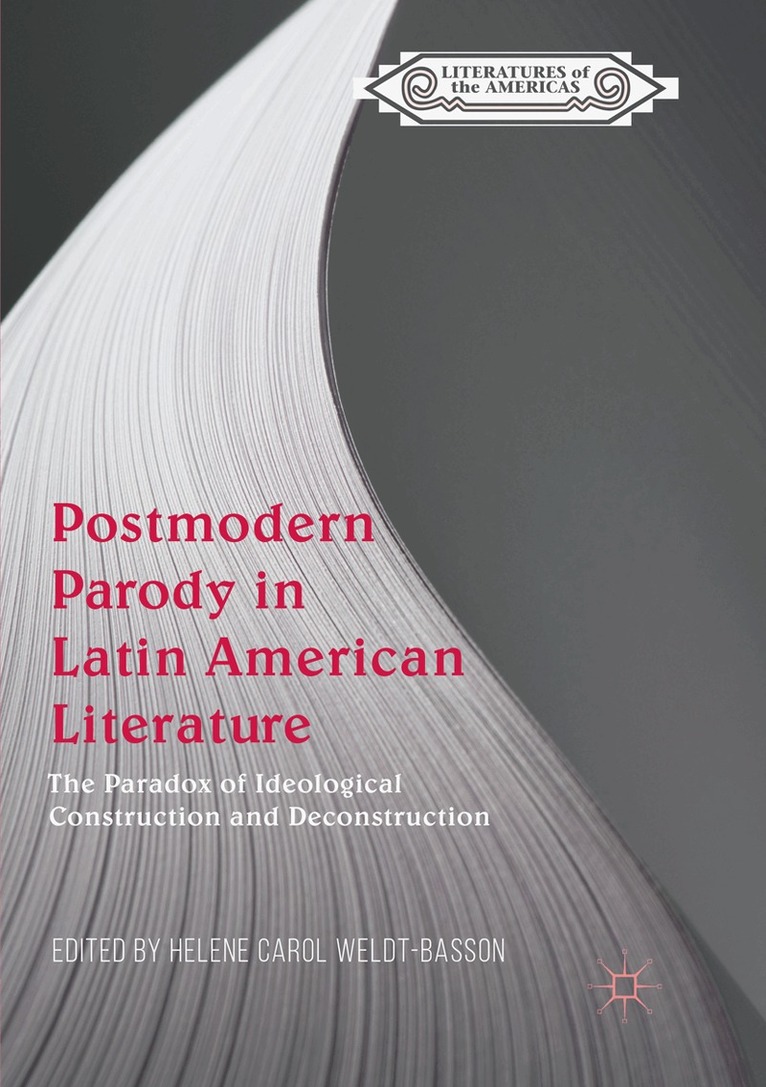
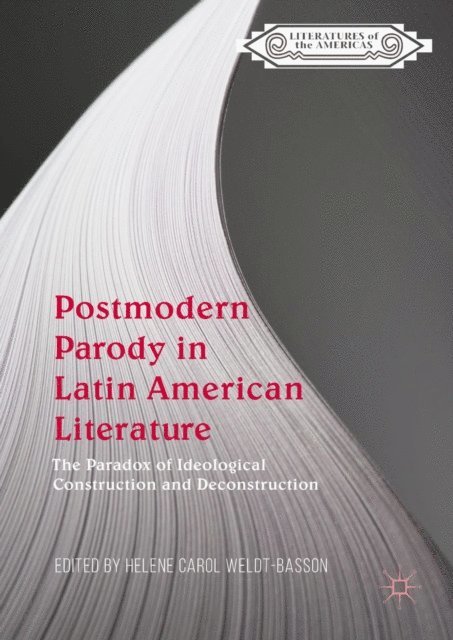
This book examines postmodern parody in Latin American literature as the intersection between ideology construction and deconstruction. Parody’s chief task is to deconstruct and criticize the ideologies behind previous texts. During this process, new ideologies are inevitably constructed. However, postmodernism simultaneously recognizes the partiality of all ideologies and rejects their enthronement as absolute truth. This raises the question of how postmodern parody deals with the paradox inherent in its own existence on the threshold between ideology construction/deconstruction and the rejection of ideology. This book explores the relationship between parody and ideology, as well as this paradox of postmodern parody in works written by writers ranging from early twentieth-century poets to the most recent novel by the Nobel Prize-winning Mario Vargas Llosa. The analyses include such authors as Cristina Peri Rossi, Manuel Puig, Luisa Valenzuela, Enrique Sánchez, Roberto Bolaño, ClaudiaPiñeiro, Margarita Mateo Palmer, Boris Salazar and Rosario Ferré.
Inbunden, Engelska, 2018
1 194 kr
Skickas inom 10-15 vardagar
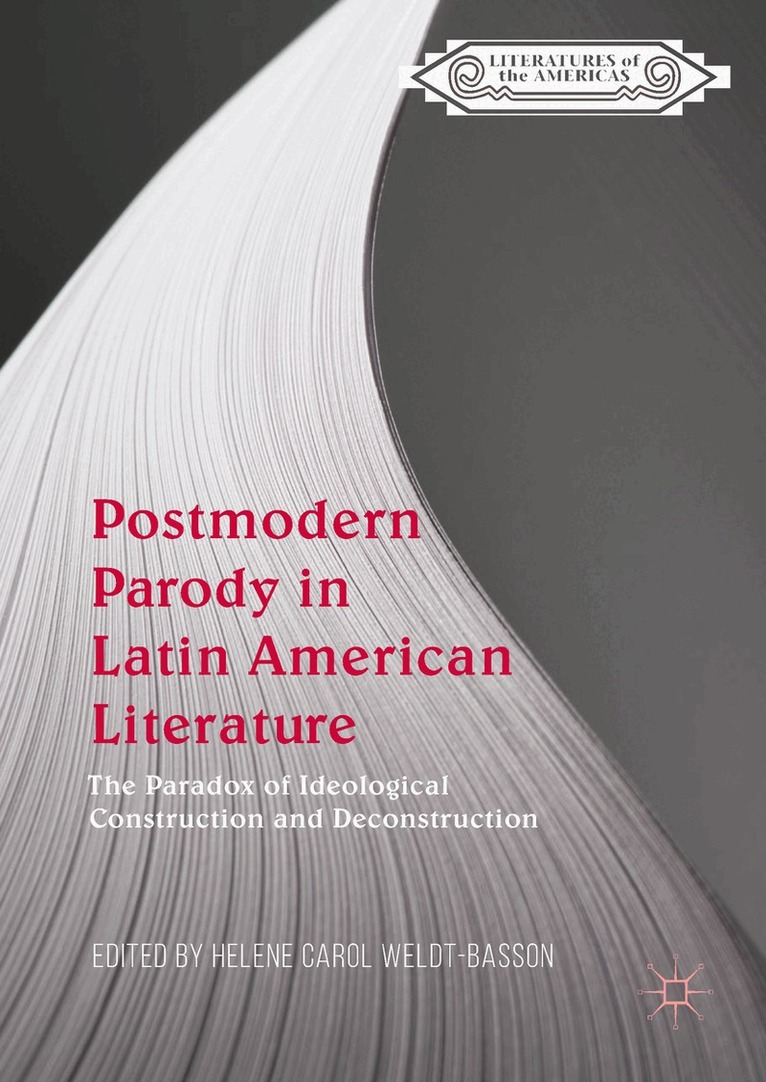
This book examines postmodern parody in Latin American literature as the intersection between ideology construction and deconstruction. Parody’s chief task is to deconstruct and criticize the ideologies behind previous texts. During this process, new ideologies are inevitably constructed. However, postmodernism simultaneously recognizes the partiality of all ideologies and rejects their enthronement as absolute truth. This raises the question of how postmodern parody deals with the paradox inherent in its own existence on the threshold between ideology construction/deconstruction and the rejection of ideology. This book explores the relationship between parody and ideology, as well as this paradox of postmodern parody in works written by writers ranging from early twentieth-century poets to the most recent novel by the Nobel Prize-winning Mario Vargas Llosa. The analyses include such authors as Cristina Peri Rossi, Manuel Puig, Luisa Valenzuela, Enrique Sánchez, Roberto Bolaño, ClaudiaPiñeiro, Margarita Mateo Palmer, Boris Salazar and Rosario Ferré.
E-bok
Engelska, 20181 497 kr
Läs direkt efter köp
This book examines postmodern parody in Latin American literature as the intersection between ideology construction and deconstruction. Parody’s chief task is to deconstruct and criticize the ideologies behind previous texts. During this process, new ideologies are inevitably constructed. However, postmodernism simultaneously recognizes the partiality of all ideologies and rejects their enthronement as absolute truth. This raises the question of how postmodern parody deals with the paradox inherent in its own existence on the threshold between ideology construction/deconstruction and the rejection of ideology. This book explores the relationship between parody and ideology, as well as this paradox of postmodern parody in works written by writers ranging from early twentieth-century poets to the most recent novel by the Nobel Prize-winning Mario Vargas Llosa. The analyses include such authors as Cristina Peri Rossi, Manuel Puig, Luisa Valenzuela, Enrique Sánchez, Roberto Bolaño, ClaudiaPiñeiro, Margarita Mateo Palmer, Boris Salazar and Rosario Ferré.