Hellmuth Lange – författare
Visar alla böcker från författaren Hellmuth Lange. Handla med fri frakt och snabb leverans.
7 produkter
7 produkter
Inbunden, Engelska, 2009
1 086 kr
Skickas inom 10-15 vardagar
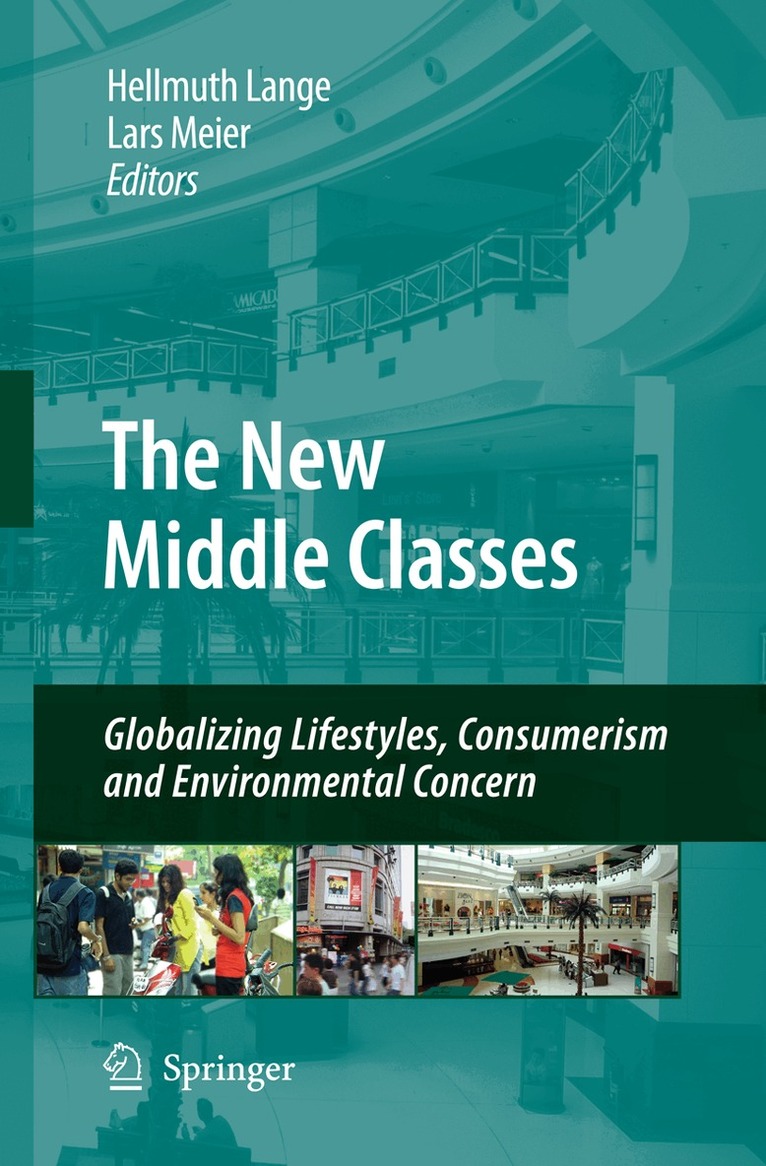
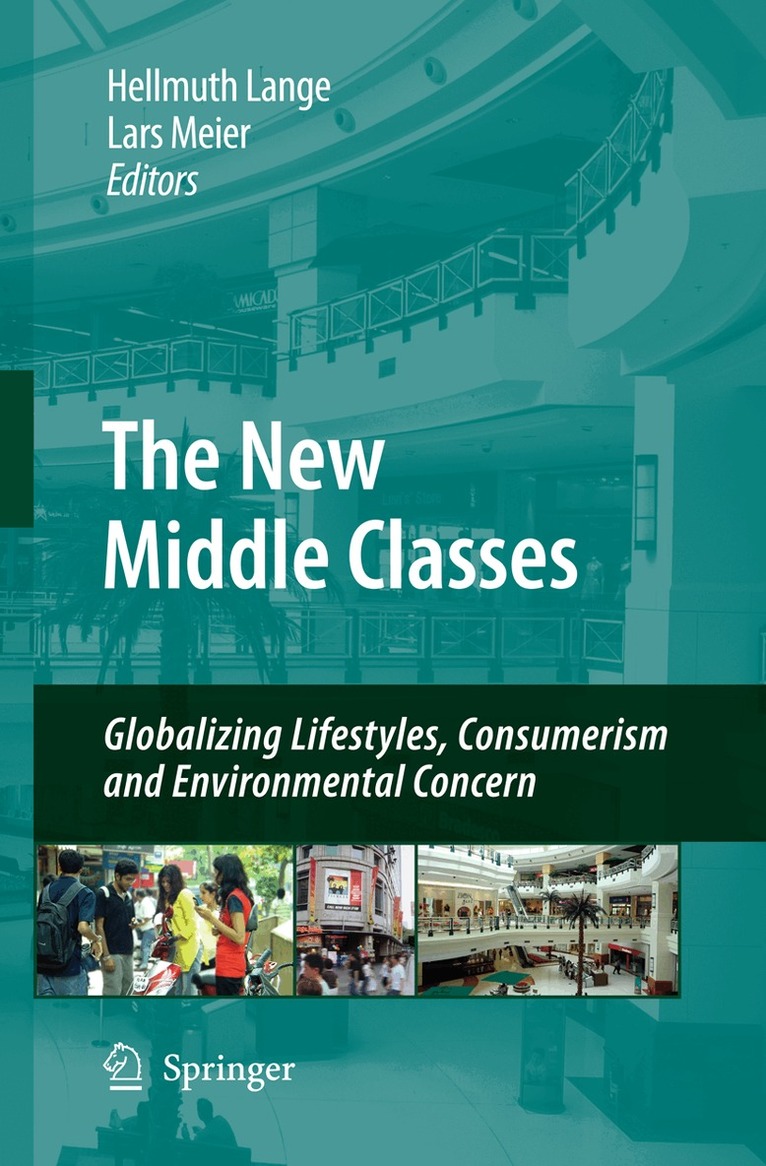
With respect to the developing and threshold economies, it is no longer the poor who are the only focus of media attention. Today, the new middle classes are about to take centre stage, too. With their lifestyles and attitudes, the new middle classes are considered to be both the products as well as the promoters of globalization. They are a highly heterogeneousgroup in socio-economicterms as well as in habits 1 and preferences, including their societal role as consumers and citizens. The ?rst wave of scholarly and political attention can be traced back to the mid-nineties. The focal point was surprise and unease about indubitable symptoms of consumerism which, until then had been seen as a characteristic of the richest western societies. However, since the nineties, consumerism has run rampant in - velopingcountriestoo.Thishasparticularlybeennotedwithrespecttotheemerging middle classes in South East Asia. The “will to consume seemed inexhaustible, and appetites insatiable. This rage to consume [...] was both celebrated and feared by political leadersand other social/moralgatekeepers,who beganto condemnthe p- cess as ‘Westernization’ and even ‘westoxi?cation”’ (Chua 2000: xii). Ever since, the debate about the lifestyles of the new middle classes and their role in society has gained momentum.
E-bok
PDF, Engelska, 20091 416 kr
Läs direkt efter köp
With respect to the developing and threshold economies, it is no longer the poor who are the only focus of media attention. Today, the new middle classes are about to take centre stage, too. With their lifestyles and attitudes, the new middle classes are considered to be both the products as well as the promoters of globalization. They are a highly heterogeneousgroup in socio-economicterms as well as in habits 1 and preferences, including their societal role as consumers and citizens. The ?rst wave of scholarly and political attention can be traced back to the mid-nineties. The focal point was surprise and unease about indubitable symptoms of consumerism which, until then had been seen as a characteristic of the richest western societies. However, since the nineties, consumerism has run rampant in - velopingcountriestoo.Thishasparticularlybeennotedwithrespecttotheemerging middle classes in South East Asia. The “will to consume seemed inexhaustible, and appetites insatiable. This rage to consume [...] was both celebrated and feared by political leadersand other social/moralgatekeepers,who beganto condemnthe p- cess as ‘Westernization’ and even ‘westoxi?cation”’ (Chua 2000: xii). Ever since, the debate about the lifestyles of the new middle classes and their role in society has gained momentum.
E-bok
PDF, Tyska, 2013437 kr
Läs direkt efter köp
Häftad, Tyska, 2008
716 kr
Skickas inom 10-15 vardagar
Die Notwendigkeit eines radikalen Wandels der augenblicklichen Produktions- und Verbrauchsgewohnheiten (Agenda 21) wird heute breit akzeptiert. Andererseits formuliert die sozialwissenschaftliche Literatur immer neue Zweifel, wie weit es der Politik überhaupt noch möglich ist, tiefer greifende Veränderungen erfolgreich zu steuern. Das Buch greift diesen Widerspruch auf: Mit welchen Instrumenten können die gesellschaftlichen Akteure dazu gebracht werden, sich auf die Zumutung nennenswerter Veränderungen gängiger Produktions- und Konsummuster zugunsten von mehr Nachhaltigkeit einzulassen? Die These lautet, dass bei substanzieller Beteiligung zivilgesellschaftlicher Akteure die Möglichkeiten zielgerichteter Steuerung und insbesondere die Handlungspotentiale des Staates weiterhin als sehr bedeutsam angesehen werden.
E-bok
PDF, Tyska, 2008687 kr
Läs direkt efter köp
Häftad, Tyska, 2000
615 kr
Skickas inom 10-15 vardagar
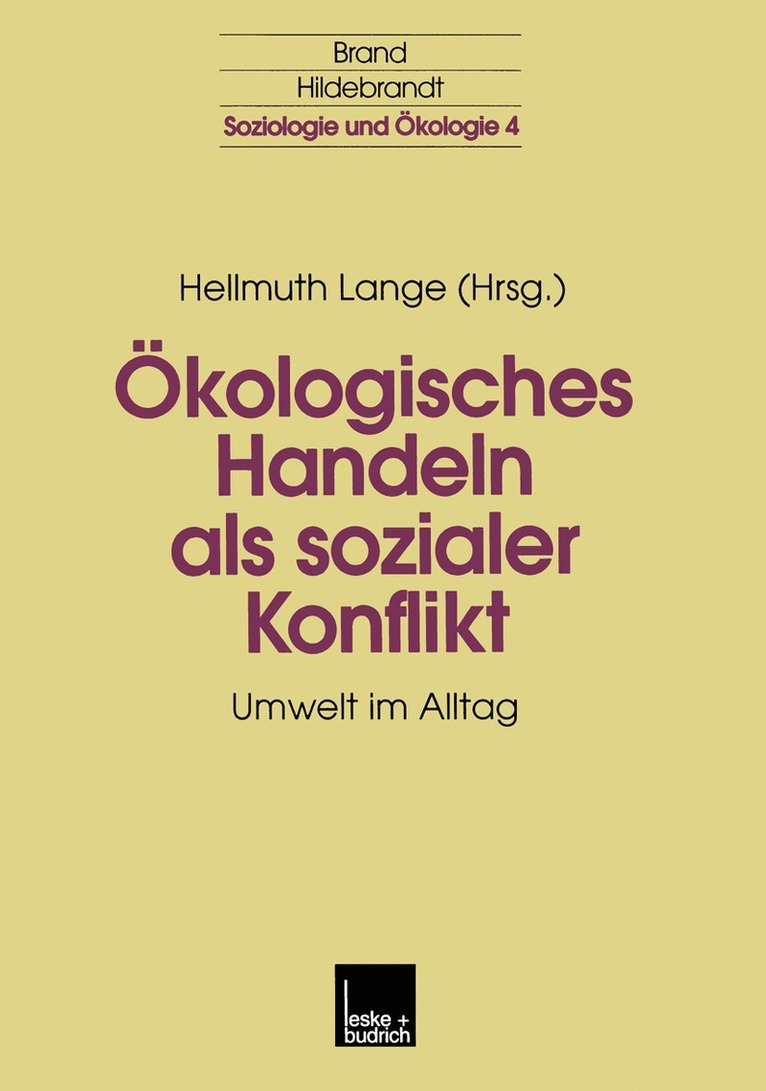
Ökologisches Handeln gilt heute als rundum positive Zielvorstellung. Die Praxis des alltäglichen Handelns entspricht dem jedoch bei weitem nicht. Die Gründe werden noch immer in unzureichendem Umweltbewußtsein gesehen. Eine solche Sichtweise abstrahiert jedoch von zweierlei: Der Begriff "ökologisches Handeln" bezeichnet keine Handlungspraxis neben anderen (wie Wohnen, Arbeiten, Reisen etc.), sondern einen Zielaspekt neben anderen. Daher kommt es hier unvermeidlich zu Zielkonflikten, denen mit Moral nur bedingt beizukommen ist. Die Moralisierung ökologisch unzuträglicher Verhaltensmuster abstrahiert zum anderen von der soziologischen Basistatsache, daß Handlungsmuster von Personen keineswegs nur von deren Einstellungen und Werten abhängen. Sie sind eingebunden in die Grenzen der materiellen und institutionellen Strukturen des Alltags, in gewachsene Arbeitsteilungen und in soziale und kulturelle Routinen, die individuell nur bedingt ignoriert werden können. Ein Mehr an ökologischem Verhalten führt daher zwingend zu einem Mehr an sozialen Konflikten. Dieser Band beschreibt solche Konflikte im Spannungsfeld von Wohnen-Mobilität-Arbeiten und sucht nach Möglichkeiten der Problembearbeitung zwischen privater Alltagsbewältigung und Politik.
Häftad, Engelska, 2010
1 091 kr
Skickas inom 10-15 vardagar
With respect to the developing and threshold economies, it is no longer the poor who are the only focus of media attention. Today, the new middle classes are about to take centre stage, too. With their lifestyles and attitudes, the new middle classes are considered to be both the products as well as the promoters of globalization. They are a highly heterogeneousgroup in socio-economicterms as well as in habits 1 and preferences, including their societal role as consumers and citizens. The ?rst wave of scholarly and political attention can be traced back to the mid-nineties. The focal point was surprise and unease about indubitable symptoms of consumerism which, until then had been seen as a characteristic of the richest western societies. However, since the nineties, consumerism has run rampant in - velopingcountriestoo.Thishasparticularlybeennotedwithrespecttotheemerging middle classes in South East Asia. The “will to consume seemed inexhaustible, and appetites insatiable. This rage to consume [...] was both celebrated and feared by political leadersand other social/moralgatekeepers,who beganto condemnthe p- cess as ‘Westernization’ and even ‘westoxi?cation”’ (Chua 2000: xii). Ever since, the debate about the lifestyles of the new middle classes and their role in society has gained momentum.