Henry A. Kissinger - Böcker
218 kr
Skickas
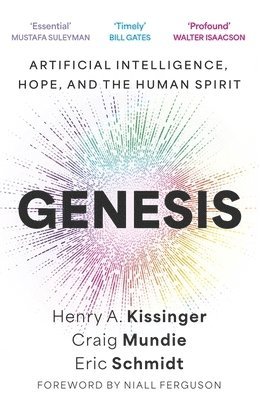
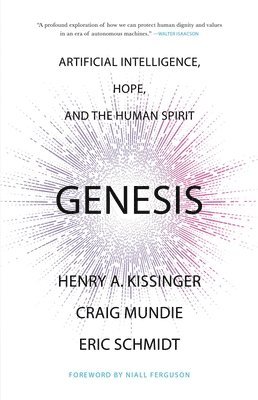
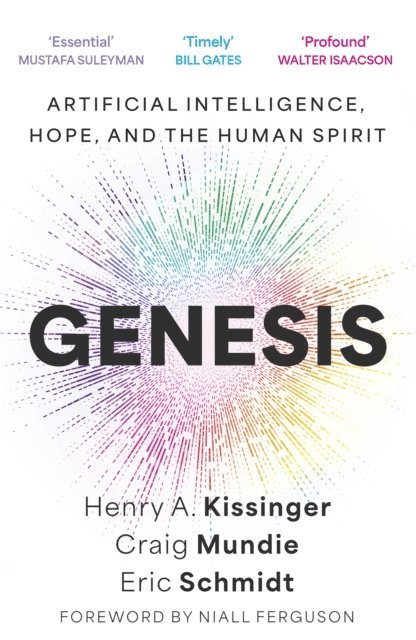
Försiktig och nyanserad optimism. De orden kan sammanfatta Henry Kissingers perspektiv på den snabbt framväxande förmågan hos artificiella intelligenser. Vid 95 års ålder tog han sig an uppgiften att begrunda den digitala teknikens inverkan på mänsklighetens villkor. Resultatet blev Genesis, postumt utgiven, skriven i samarbete med de två ledande dataexperterna Craig Mundie och Eric Schmidt.
Genesis söker visa på de var vi och då särskilt världens politiska ledare ställs inför. Den grundläggande frågan om AI ska formas till att bli mer som vi människor, eller om vi kommer att anpassa oss allt mer till de villkor som artificiella intelligenser ställer. Vi kommer i ökande grad att "veta" saker utan att förstå hur denna kunskap har uppnåtts. Kommer det medföra att allt fler accepterar AI:s auktoritet, i termer som närmar sig teologins? Kommer vi kunna ingjuta en förståelse och en respekt för mänsklig värdighet i intelligenserna? Och hur kommer AI-resurser, som utvecklas huvudsakligen via företag, påverka relationer inom politik och mellan nationer?
Kissinger, Mundies och Schmidts sökande efter möjliga svar griper ända tillbaka på den frågor antikens filosofer ställde.
165 kr
Skickas inom 7-10 vardagar
608 kr
Skickas inom 10-15 vardagar
225 kr
Skickas inom 3-6 vardagar
242 kr
Skickas inom 3-6 vardagar
335 kr
Skickas inom 3-6 vardagar
250 kr
Skickas inom 3-6 vardagar
298 kr
Skickas inom 3-6 vardagar
2 091 kr
Skickas inom 10-15 vardagar
618 kr
Skickas inom 10-15 vardagar
207 kr
Skickas inom 5-8 vardagar
169 kr
Tillfälligt slut
257 kr
Tillfälligt slut
231 kr
Skickas
A few short years ago, artificial intelligence (AI) inhabited a small corner of the public debate. Today, following rapid advances in technology, AI is a front-page topic of global news outlets and an issue on the minds of leaders in science, business, and politics the world over. New Al and human responses to them could transform the nature of truth, the human relationship to reality, the exploration of knowledge, and the physical evolution of humanity, the conduct of diplomacy and war, and the international system. These are the crucial issues of the coming decades, and they ought to be the guiding concerns of leaders in every arena.The new capabilities of AI today, impressive as they are now, will appear weak in hindsight and its powers are increasing at an accelerating rate. Powers we have not yet imagined are set to infuse our daily lives. Future Al will facilitate enormous advances in education, medicine, and basic sciences. Al could discover new medicines to cure pernicious disease and new materials to produce cleaner, more efficient energy. They could predict the occurrence of earthquakes and design evacuation strategies. They could revolutionize the availability of education in every language. These machines' capabilities come with technical and human risks. Today's technologies function in ways that their inventors did not predict, and that pattern is likely to continue. Al seems to compress human timescales. Objects in the future are closer than they appear.The advent of artificial intelligence is a question of human survival. Al's future powers, running at inhuman speeds, will render traditional regulation useless. We will need a fundamentally new form of control. Once they have coalesced around a consensus, nations and international organizations must develop new political structures for AI monitoring, enforcement, and crisis response. That will require the resolution of not one but two "alignment problems": the technical alignment of human values and intentions with the actions of Al, and the diplomatic alignment of humans with other humans. In the Age of AI, humanity will change. The only question is whether we will choose to continue to assert authority over how that change occurs.
165 kr
Skickas inom 7-10 vardagar
380 kr
Skickas inom 5-8 vardagar
1 370 kr
Skickas inom 5-8 vardagar
424 kr
Skickas inom 3-6 vardagar
241 kr
Skickas inom 3-6 vardagar