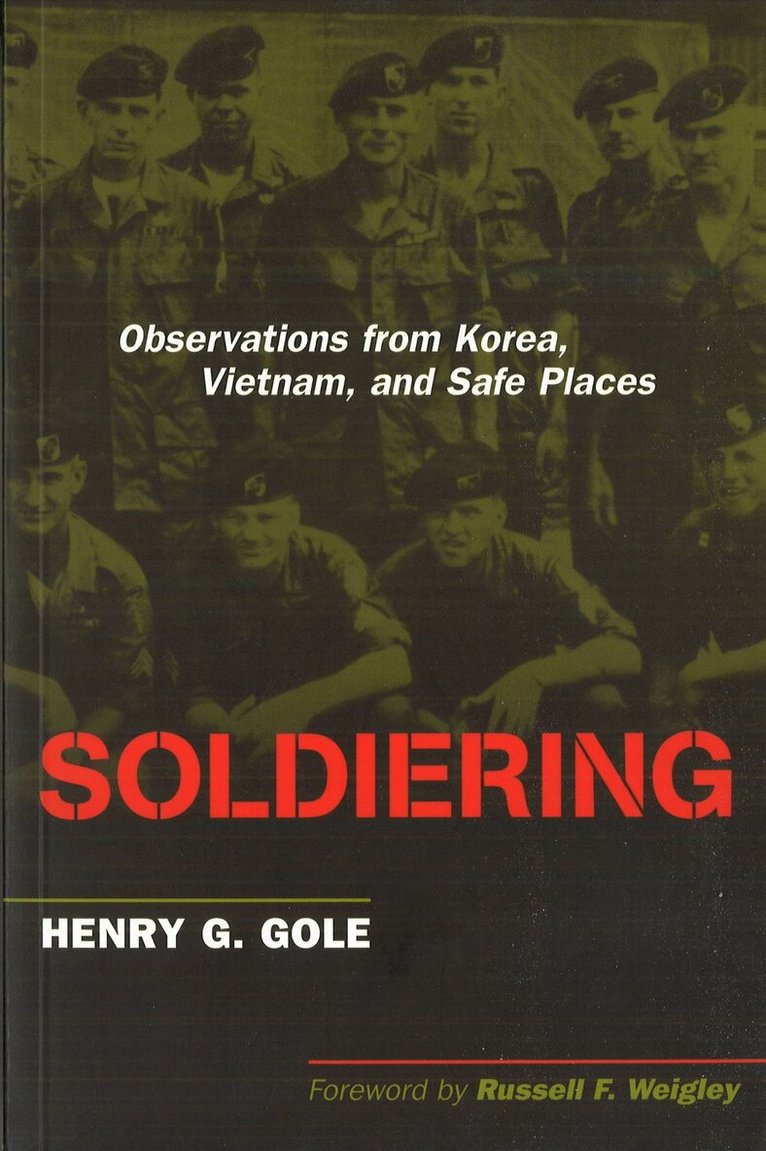
Henry G Gole – författare
730 kr
Skickas inom 3-6 vardagar
158 kr
Läs direkt efter köp
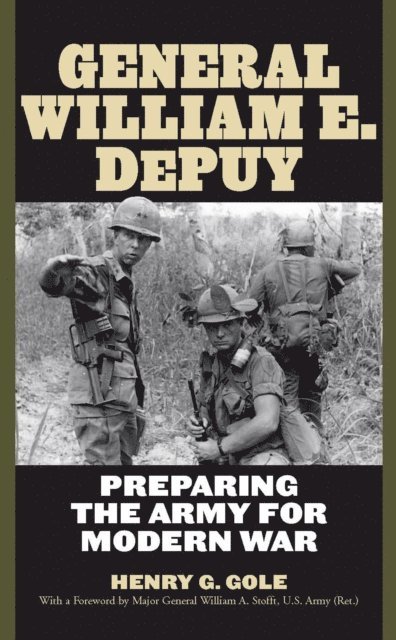
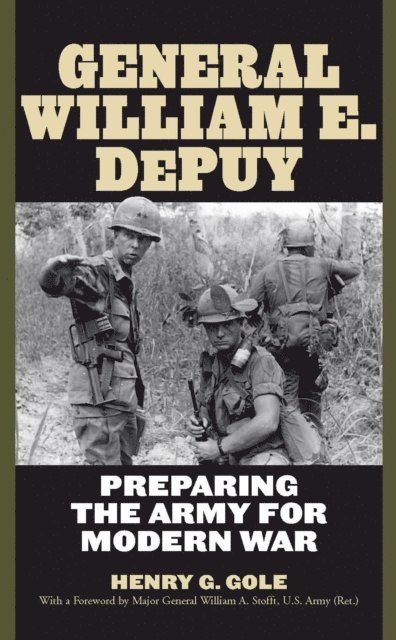
This “excellent biography” of one of the US Army’s unsung heroes “provides a much-needed re-examination of the early post-Vietnam Army" (Bowling Green Daily News). By the 1970s, the United States Army was demoralized by the outcome of the Vietnam War and shifting attitudes at home. The institution as a whole needed to be reorganized and reinvigorated—and General William E. DePuy was the man for the job. In 1973, DePuy was appointed commander of the newly established Training and Doctrine Command (TRADOC). By integrating training, doctrine, combat developments, and management in the US Army, he cultivated a military force prepared to fight and win in modern war. General William E. DuPuy is the first full-length biography of this key figure in American military history. With extensive interviews with those who knew DePuy, as well as access to his personal papers, Henry G. Gole chronicles and analyzes his unique contributions to the Army and nation. Gole guides the reader from DePuy's boyhood and college days in South Dakota through the major events and achievements of his life. During World War II, DePuy served in the 357th Infantry Regiment in Europe from the Normandy invasion until 1945, when he was stationed in Czechoslovakia. DePuy was asked by George Patton to serve as his aide; he supervised clandestine operations in China; he was instrumental in establishing Special Forces in Vietnam; and he briefed President Lyndon B. Johnson in the White House. But his finest contribution was fixing a broken Army.
160 kr
Läs direkt efter köp
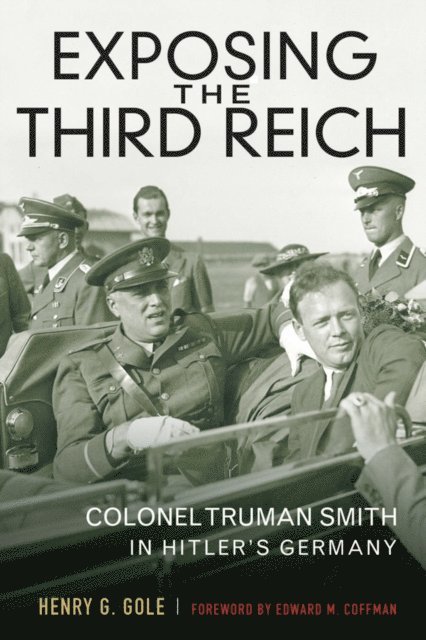
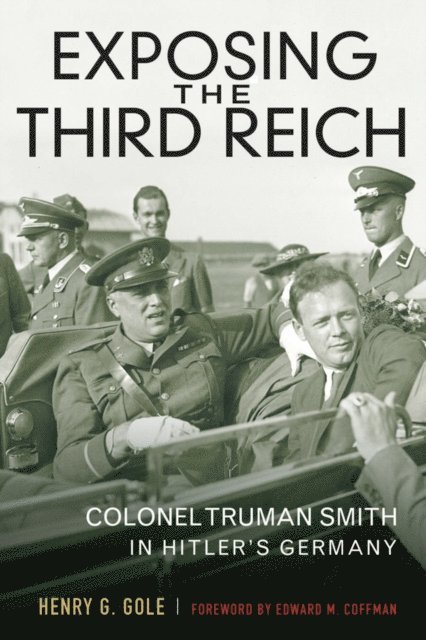
“A fascinating book about a virtually unknown officer who played a major role in the development of US military planning before and during World War II” (Bowling Green Daily News). A vital source of American intelligence on Hitler’s rise to power and military ambitions, Colonel Truman Smith was one of the most compelling and controversial figures of the Second World War. In Exposing the Third Reich, Henry G. Gole tells this soldier's story for the first time. An American aristocrat from a prominent New England family, Smith became an expert on Germany when he was first assigned there during the Allied occupation of 1919. As a military attaché in 1935, he arranged for his good friend Charles Lindbergh to inspect the Luftwaffe. The Germans were starstruck by the famous aviator, enabling Smith to gather key intelligence about their air capability. His deep access and knowledge made him invaluable to General George C. Marshall; however, the colonel's friendliness with Germany also aroused suspicion that he was a Nazi sympathizer. Gole demonstrates that, far from condoning Hitler, Smith was among the first to raise the alarm: he predicted many of the Nazis' moves years in advance and feared that the international community would not act quickly enough. Featuring many firsthand observations of the critical changes in Germany between the world wars, this biography presents an indispensable look both at a fascinating figure and at the nuances of the interwar years.
547 kr
Läs direkt efter köp
As World War II recedes from living memory, there remain untold stories of important behind-the-scenes operatives who provided vital support to the leaders celebrated in historical accounts. Colonel Truman Smith is one of the most compelling figures from this period, but there has never been a biography of this important and controversial man. In Exposing the Third Reich, Henry G. Gole tells this soldier''s story for the first time.
An American aristocrat from a prominent New England family, Smith was first assigned to Germany in 1919 during the Allied occupation and soon became known as a regional expert. During his second assignment in the country as a military attaché in 1935, he arranged for his good friend Charles Lindbergh to inspect the Luftwaffe. The Germans were delighted to have the famous aviator view their planes, enabling Smith to gather key intelligence about their air capability. His savvy cultivation of relationships rendered him invaluable throughout his service, particularly as an aide to General George C. Marshall; however, the colonel''s friendliness with Germany also aroused suspicion that he was a Nazi sympathizer.
Gole demonstrates that, far from condoning Hitler, Smith was among the first to raise the alarm: he predicted many of the Nazis'' moves years in advance and feared that the international community would not act quickly enough. Featuring many firsthand observations of the critical changes in Germany between the world wars, this biography presents an indispensable look both at a fascinating figure and at the nuances of the interwar years.
616 kr
Läs direkt efter köp
From the late 1960s to the late 1970s, the United States Army was a demoralized institution in a country in the midst of a social revolution. The war in Vietnam had gone badly and public attitudes about it shifted from indifference, to acceptance, to protest. Army Chief of Staff General Creighton Abrams directed a major reorganization of the Army and appointed William E. DePuy (1919--1992) commander of the newly established Training and Doctrine Command (TRADOC), in 1973. DePuy already had a distinguished record in positions of trust and high responsibility: successful infantry battalion command and division G-3 in World War II by the age of twenty-five; Assistant Military Attaché in Hungary; detail to CIA in the Korean War; alternating tours on the Army Staff and in command of troops. As a general officer he was General Westmoreland''s operations officer in Saigon; commander of the 1st Infantry Division in Vietnam; Special Assistant to the Chairman, Joint Chiefs of Staff; and Assistant Vice Chief of Staff, Army. But it was as TRADOC Commander that DePuy made his major contribution in integrating training, doctrine, combat developments, and management in the U.S. Army. He regenerated a deflated post-Vietnam Army, effectively cultivating a military force prepared to fight and win in modern war. General William E. DePuy: Preparing the Army for Modern War is the first full-length biography of this key figure in the history of the U.S. Army in the twentieth century. Author Henry G. Gole mined secondary and primary sources, including DePuy''s personal papers and extensive archival material, and he interviewed peers, subordinates, family members, and close observers to describe and analyze DePuy''s unique contributions to the Army and nation. Gole guides the reader from DePuy''s boyhood and college days in South Dakota through the major events and achievements of his life. DePuy was commissioned from the ROTC six months before the attack on Pearl Harbor, witnessed poor training and leadership in a mobilizing Army, and served in the 357th Infantry Regiment in Europe -- from the bloody fighting in Normandy until victory in May 1945, when DePuy was stationed in Czechoslovakia. Gole covers both major events and interesting asides: DePuy was asked by George Patton to serve as his aide; he supervised clandestine operations in China; he served in the Office of the Army Chief of Staff during the debate over "massive retaliation" vs. "flexible response"; he was instrumental in establishing Special Forces in Vietnam; he briefed President Lyndon B. Johnson in the White House. DePuy fixed a broken Army. In the process his intensity and forcefulness made him a contentious figure, admired by some and feared by others. He lived long enough to see his efforts produce American victory in the Gulf War of 1991. In General William E. DePuy, Gole presents the accomplishments of this important military figure and explores how he helped shape the most potent military force in the history of the world.
227 kr
Skickas inom 10-15 vardagar
197 kr
Läs direkt efter köp
288 kr
Skickas inom 3-6 vardagar