Henry Isaac Venema - Böcker
Visar alla böcker från författaren Henry Isaac Venema. Handla med fri frakt och snabb leverans.
4 produkter
4 produkter
Identifying Selfhood
Imagination, Narrative, and Hermeneutics in the Thought of Paul Ricoeur
Inbunden, Engelska, 2000
1 057 kr
Tillfälligt slut
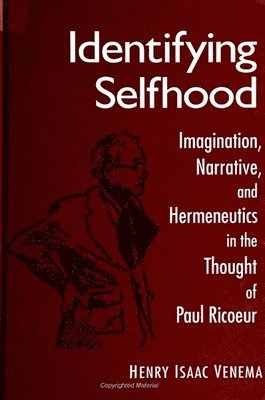
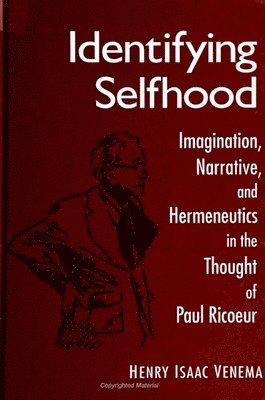
Traces the decentered formulation of self at the heart of Paul Ricoeur's philosophy from his earliest works to his most recent.Identifying Selfhood provides the first sustained treatment of the development of Paul Ricoeur's decentered formulation of selfhood from his earliest works to his most recent. For Henry Venema, Ricoeur's affirmation that consciousness is always rooted in the signs, symbols, and texts that precede the hermeneutical project of self-recovery and discovery provides the thread that links all of Ricoeur's philosophical inquiries together. However, as Venema argues, Ricoeur's hermeneutic is caught up in the semantics of identity to such an extent that selfhood is confused and often equated with the textuality of the reflective process and is never dealt with on the intimate level of the reflexive structure of selfhood in relation to otherness. In the end, Ricoeur's formulation of alterity identifies the other within the circle of the self-same.
Identifying Selfhood
Imagination, Narrative, and Hermeneutics in the Thought of Paul Ricoeur
Häftad, Engelska, 2000
382 kr
Tillfälligt slut
Traces the decentered formulation of self at the heart of Paul Ricoeur's philosophy from his earliest works to his most recent.Identifying Selfhood provides the first sustained treatment of the development of Paul Ricoeur's decentered formulation of selfhood from his earliest works to his most recent. For Henry Venema, Ricoeur's affirmation that consciousness is always rooted in the signs, symbols, and texts that precede the hermeneutical project of self-recovery and discovery provides the thread that links all of Ricoeur's philosophical inquiries together. However, as Venema argues, Ricoeur's hermeneutic is caught up in the semantics of identity to such an extent that selfhood is confused and often equated with the textuality of the reflective process and is never dealt with on the intimate level of the reflexive structure of selfhood in relation to otherness. In the end, Ricoeur's formulation of alterity identifies the other within the circle of the self-same.
1 021 kr
Skickas inom 10-15 vardagar
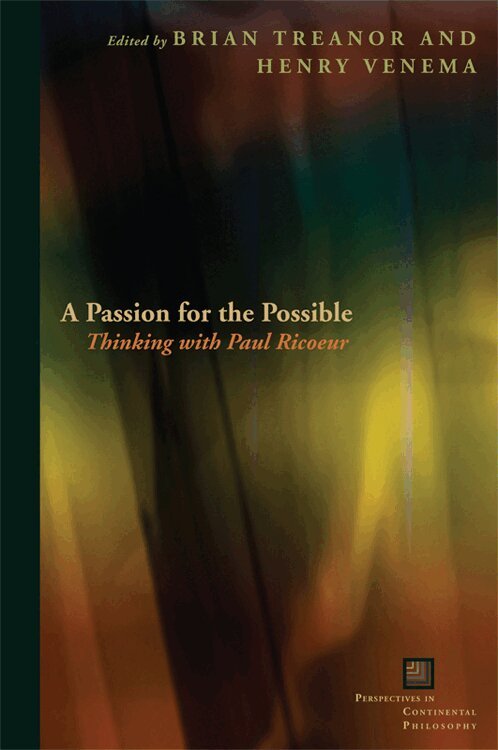
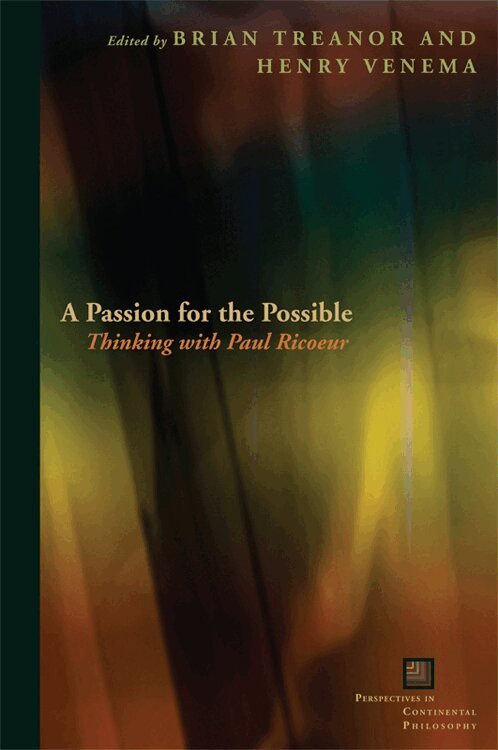
Paul Ricoeur's entire philosophical project narrates a "passion for the possible" expressed in the hope that in spite of death, closure, and sedimentation, life is opened by superabundance, by how the world gives us much more than is possible. Ricoeur's philosophical anthropology is a phenomenology of human capacity, which gives onto the groundless ground of human being, namely, God. Thus the story of the capable man, beginning with original goodness held captive by a servile will and ending with the possibility of liberation and regeneration of the heart, underpins his passion for the more than possible. The essays in this volume trace the fluid movement between phenomenological and religious descriptions of the capable self that emerges across Ricoeur's oeuvre and establish points of connection for future developments that might draw inspiration from this body of thought.
362 kr
Skickas inom 7-10 vardagar
Paul Ricoeur's entire philosophical project narrates a "passion for the possible" expressed in the hope that in spite of death, closure, and sedimentation, life is opened by superabundance, by how the world gives us much more than is possible. Ricoeur's philosophical anthropology is a phenomenology of human capacity, which gives onto the groundless ground of human being, namely, God. Thus the story of the capable man, beginning with original goodness held captive by a servile will and ending with the possibility of liberation and regeneration of the heart, underpins his passion for the more than possible. The essays in this volume trace the fluid movement between phenomenological and religious descriptions of the capable self that emerges across Ricoeur's oeuvre and establish points of connection for future developments that might draw inspiration from this body of thought.