Herat Joshi – författare
Visar alla böcker från författaren Herat Joshi. Handla med fri frakt och snabb leverans.
10 produkter
10 produkter
Inbunden, Engelska, 2026
1 565 kr
Kommande
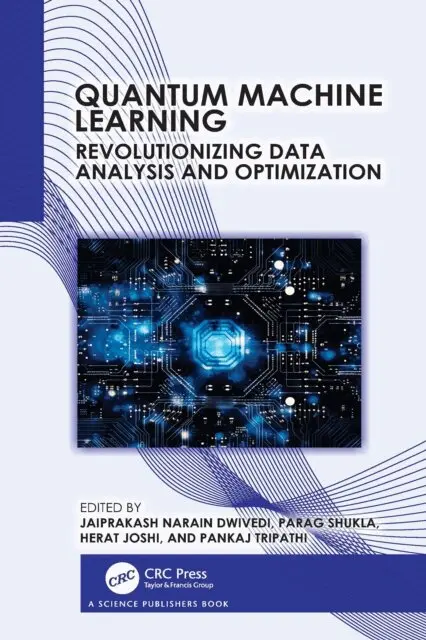
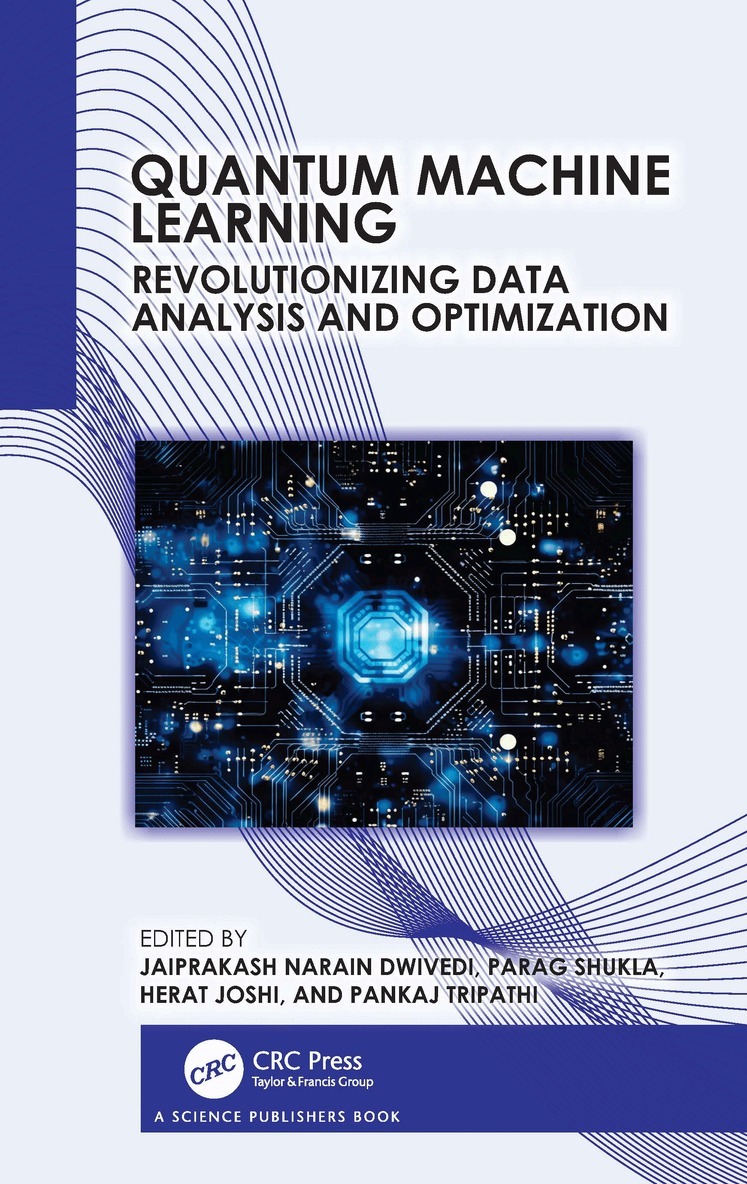
This work offers a structured and in-depth exploration of Quantum Machine Learning (QML), beginning with foundational quantum principles and progressing to advanced QML algorithms such as Quantum SVMs, quantum kernels, and quantum neural networks. It bridges theory with real-world implementation through domain-focused chapters covering finance, healthcare, taxation systems, mobile networks, supply chains, cybersecurity, augmented reality dashboards, and e-commerce. By integrating conceptual clarity with applied frameworks, the book presents practical pathways for leveraging quantum-enhanced intelligence across industries.The book is intended for researchers, academicians, postgraduate students, industry professionals, data scientists, technology strategists, and policymakers seeking to understand and apply Quantum Machine Learning in advanced research, enterprise systems, and next-generation digital infrastructures.Key Features:Comprises Comprehensive Coverage: Balances foundational theory with practical applications.Comprises Cutting-Edge Content: Features the latest research and emerging trends in QML.Provides Practical Insights: Includes real-world case studies and examples for applying QML techniques.Comprises Expert Authorship: Written by a leading expert with strong academic and industry experience.
Inbunden, Engelska, 2025
2 161 kr
Skickas inom 10-15 vardagar
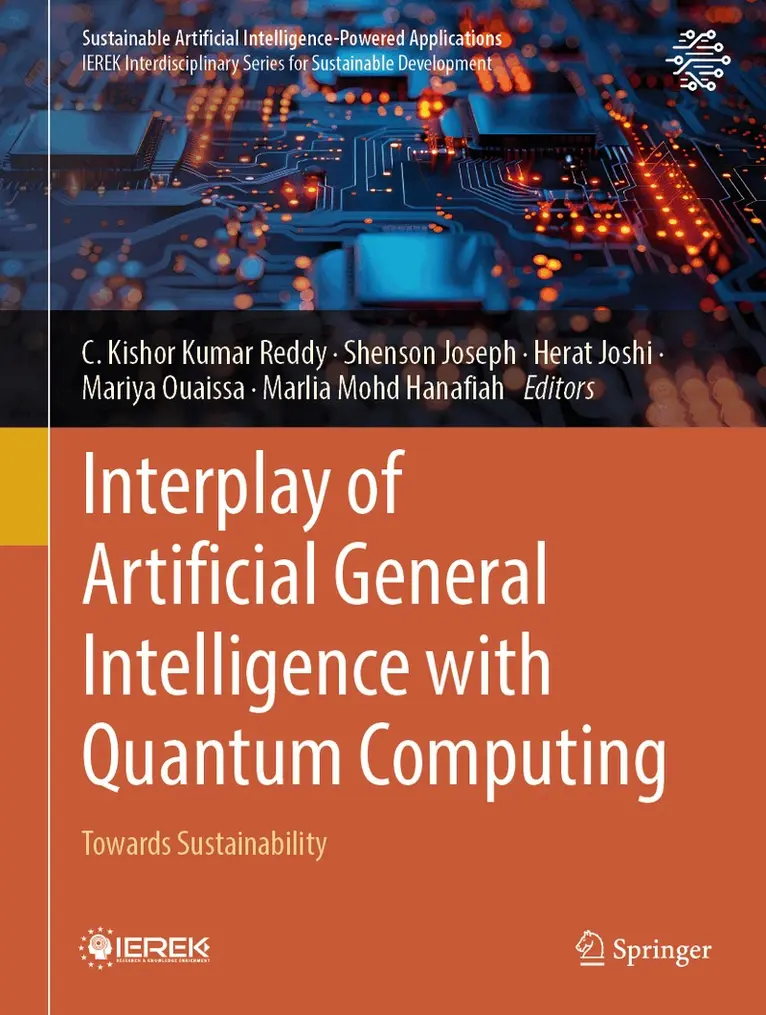
This book investigates the dynamic relationship between artificial general intelligence (AGI) and quantum computing. AGI refers to a form of AI capable of performing any intellectual task that a human can, while quantum computing utilizes quantum mechanics principles to process information in fundamentally different ways compared to classical computing. This interplay explores how quantum computing might enhance AGI by accelerating complex computations and optimizing learning algorithms, potentially enabling AGI systems to solve problems beyond the reach of traditional computers. It also examines the challenges and opportunities presented by combining these technologies, including theoretical implications and practical applications in advancing AI capabilities. This book examines the groundbreaking intersection of artificial general intelligence (AGI) and quantum computing. The book explores how AGI, which aims to replicate human-like cognitive abilities, can be enhanced by quantum computing's unique processing capabilities. It delves into theoretical foundations, practical applications, and potential synergies, illustrating how quantum computing could tackle complex computational challenges inherent in AGI development. By integrating these advanced technologies, the book provides a comprehensive analysis of their combined impact, offering insights into future advancements and the transformative potential of merging AGI with quantum computing.
E-bok
Engelska, 20252 840 kr
Läs direkt efter köp
This book investigates the dynamic relationship between artificial general intelligence (AGI) and quantum computing. AGI refers to a form of AI capable of performing any intellectual task that a human can, while quantum computing utilizes quantum mechanics principles to process information in fundamentally different ways compared to classical computing. This interplay explores how quantum computing might enhance AGI by accelerating complex computations and optimizing learning algorithms, potentially enabling AGI systems to solve problems beyond the reach of traditional computers. It also examines the challenges and opportunities presented by combining these technologies, including theoretical implications and practical applications in advancing AI capabilities. This book examines the groundbreaking intersection of artificial general intelligence (AGI) and quantum computing. The book explores how AGI, which aims to replicate human-like cognitive abilities, can be enhanced by quantum computing's unique processing capabilities. It delves into theoretical foundations, practical applications, and potential synergies, illustrating how quantum computing could tackle complex computational challenges inherent in AGI development. By integrating these advanced technologies, the book provides a comprehensive analysis of their combined impact, offering insights into future advancements and the transformative potential of merging AGI with quantum computing.
Inbunden, Engelska, 2025
1 730 kr
Skickas inom 10-15 vardagar
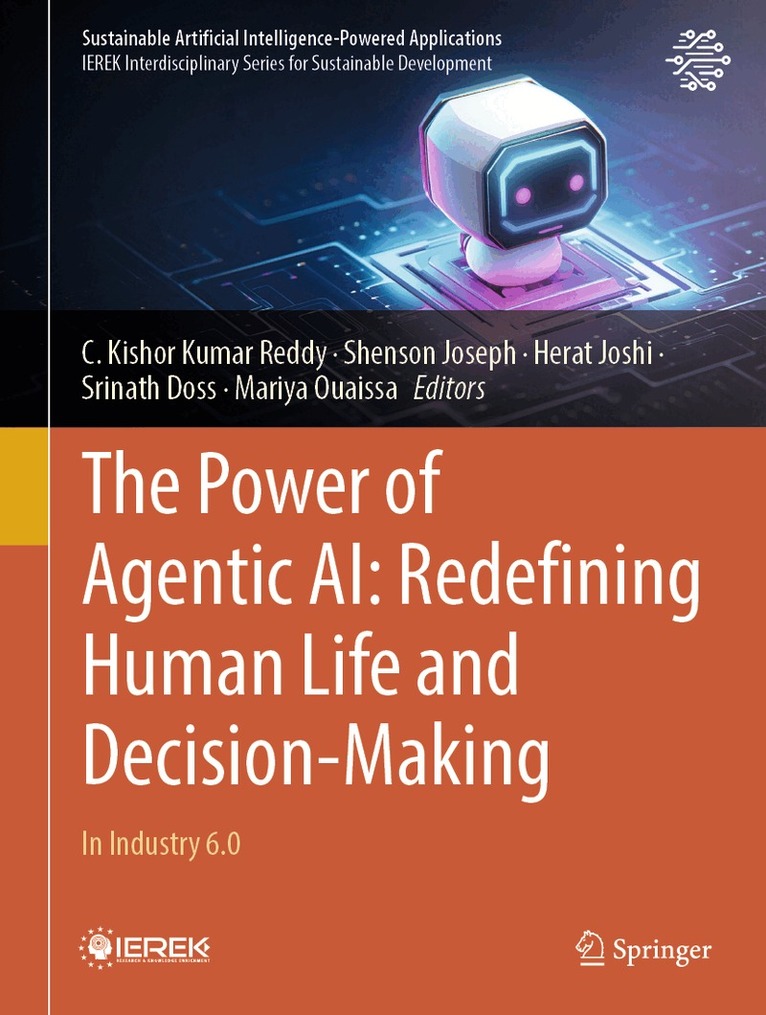
This book explores how autonomous AI systems are reshaping human decision-making across various industries and society. The book delves into the concept of Agentic AI—AI systems that can act independently and make decisions without human intervention. Unlike existing literature that speculates about superintelligent systems, this book offers practical insights into how current AI systems are already transforming sectors like health care, finance, and law. It highlights the growing impact of these technologies on professional roles and governance, offering a balanced view of both the opportunities and challenges presented by AI autonomy. The book's findings show that Agentic AI enhances decision-making by improving efficiency, accuracy, and scalability. However, it also presents ethical concerns related to accountability, transparency, and the shifting nature of human responsibility in AI-mediated environments. It emphasizes the need for robust ethical frameworks and governance structures to ensure that AI systems align with human values. By focusing on real-world applications and current AI technologies, the book provides actionable insights for decision-makers, helping businesses, policymakers, and technologists navigate the evolving AI landscape. It offers a roadmap for understanding the present-day capabilities of autonomous systems and prepares professionals for the ethical and operational challenges of integrating these technologies. Readers will gain a comprehensive understanding of how Agentic AI is poised to redefine human life and decision-making, making it essential for anyone interested in the future of technology, ethics, and innovation. Unlike traditional AI, which typically requires human supervision or input, Agentic AI introduces the concept of autonomy—AI systems that can act, learn, and make decisions independently. This paradigm shift challenges the conventional human-centered approach to decision-making, positioning AI as a true partner in complex cognitive tasks. The book also explores the ethical and societal implications of AI autonomy in ways that extend beyond typical discussions.
2 207 kr
Läs direkt efter köp
This book explores how autonomous AI systems are reshaping human decision-making across various industries and society. The book delves into the concept of Agentic AI—AI systems that can act independently and make decisions without human intervention. Unlike existing literature that speculates about superintelligent systems, this book offers practical insights into how current AI systems are already transforming sectors like health care, finance, and law. It highlights the growing impact of these technologies on professional roles and governance, offering a balanced view of both the opportunities and challenges presented by AI autonomy. The book's findings show that Agentic AI enhances decision-making by improving efficiency, accuracy, and scalability. However, it also presents ethical concerns related to accountability, transparency, and the shifting nature of human responsibility in AI-mediated environments. It emphasizes the need for robust ethical frameworks and governance structures to ensure that AI systems align with human values. By focusing on real-world applications and current AI technologies, the book provides actionable insights for decision-makers, helping businesses, policymakers, and technologists navigate the evolving AI landscape. It offers a roadmap for understanding the present-day capabilities of autonomous systems and prepares professionals for the ethical and operational challenges of integrating these technologies. Readers will gain a comprehensive understanding of how Agentic AI is poised to redefine human life and decision-making, making it essential for anyone interested in the future of technology, ethics, and innovation. Unlike traditional AI, which typically requires human supervision or input, Agentic AI introduces the concept of autonomy—AI systems that can act, learn, and make decisions independently. This paradigm shift challenges the conventional human-centered approach to decision-making, positioning AI as a true partner in complex cognitive tasks. The book also explores the ethical and societal implications of AI autonomy in ways that extend beyond typical discussions.
Inbunden, Engelska, 2025
2 226 kr
Skickas inom 10-15 vardagar
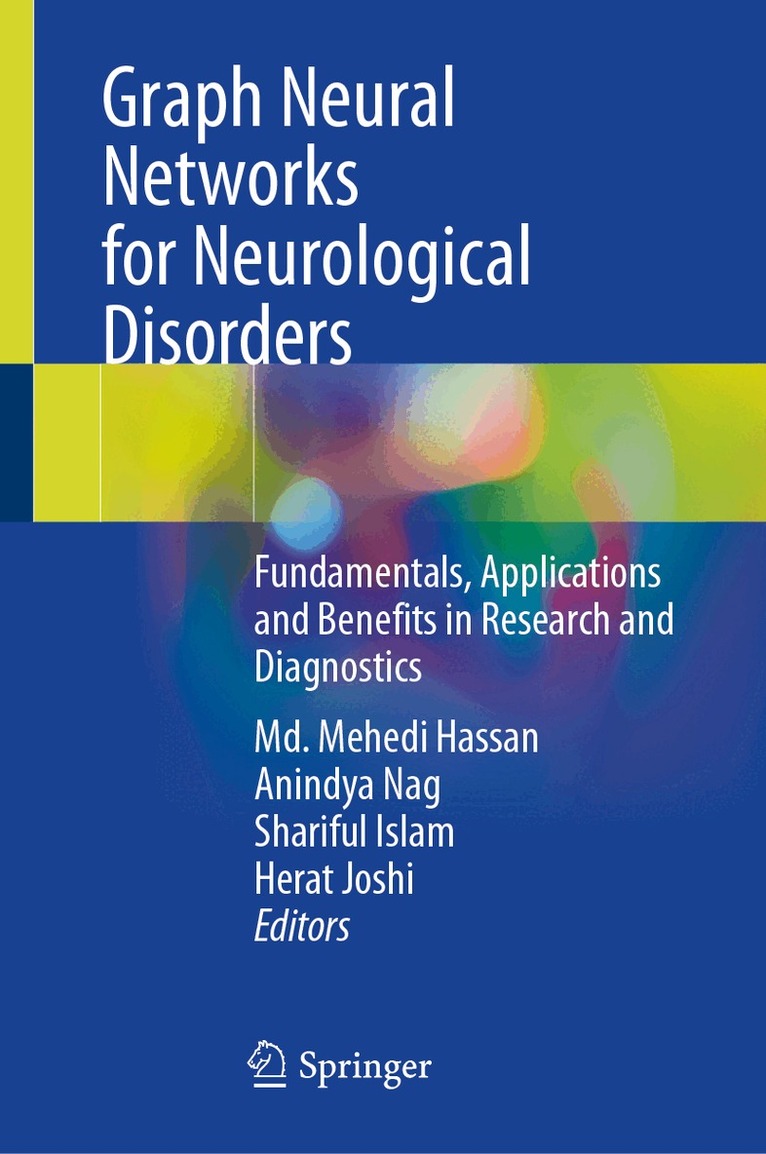
This book represents a unique and comprehensive resource for understanding the intersection of advanced artificial intelligence (AI) and neurology. By focusing on graph neural networks (GNNs), the book addresses a crucial gap in the current literature, providing valuable insights into the analysis and interpretation of complex brain networks and neurological data. Intended for a diverse audience, including clinicians, scientists, researchers, and students, it demystifies the complexities of GNNs and their applications in neurology. For clinicians and healthcare practitioners, the book illustrates how GNNs can enhance diagnostic accuracy, inform personalized treatment plans and predict disease progression. This leads to improved patient outcomes and a deeper understanding of neurological conditions such as Alzheimer's, Parkinson's, multiple sclerosis and epilepsy. Researchers will find the book particularly valuable as it delves into the methodologies and technical aspects of GNNs, showcasing their ability to handle diverse data sources including genetic, imaging and clinical information. By integrating these datasets, GNNs reveal hidden patterns and biomarkers, offering new avenues for research and potential therapeutic targets.A Guide to Graph Neural Networks for Neurological Disorders addresses the challenge of missing data, a common issue in neurological research, and demonstrates how GNNs can manage and mitigate these gaps. For students, both undergraduate and postgraduate, the book serves as an educational tool, providing clear explanations and practical examples that make complex concepts accessible. It equips the next generation of neuroscientists and data scientists with the knowledge and skills needed to contribute to this rapidly evolving field. The book aims to provide a foundational understanding of GNNs, demonstrate their practical applications in neurology, and inspire further research and innovation. By bridging the gap between AI and medical practice, the book empowers readers to leverage cutting-edge technology in the quest to understand and treat neurological illnesses, ultimately enhancing the quality of care and advancing the field of neuroscience.
E-bok
Engelska, 20252 840 kr
Läs direkt efter köp
This book represents a unique and comprehensive resource for understanding the intersection of advanced artificial intelligence (AI) and neurology. By focusing on graph neural networks (GNNs), the book addresses a crucial gap in the current literature, providing valuable insights into the analysis and interpretation of complex brain networks and neurological data. Intended for a diverse audience, including clinicians, scientists, researchers, and students, it demystifies the complexities of GNNs and their applications in neurology. For clinicians and healthcare practitioners, the book illustrates how GNNs can enhance diagnostic accuracy, inform personalized treatment plans and predict disease progression. This leads to improved patient outcomes and a deeper understanding of neurological conditions such as Alzheimer's, Parkinson's, multiple sclerosis and epilepsy. Researchers will find the book particularly valuable as it delves into the methodologies and technical aspects of GNNs, showcasing their ability to handle diverse data sources including genetic, imaging and clinical information. By integrating these datasets, GNNs reveal hidden patterns and biomarkers, offering new avenues for research and potential therapeutic targets.A Guide to Graph Neural Networks for Neurological Disorders addresses the challenge of missing data, a common issue in neurological research, and demonstrates how GNNs can manage and mitigate these gaps. For students, both undergraduate and postgraduate, the book serves as an educational tool, providing clear explanations and practical examples that make complex concepts accessible. It equips the next generation of neuroscientists and data scientists with the knowledge and skills needed to contribute to this rapidly evolving field. The book aims to provide a foundational understanding of GNNs, demonstrate their practical applications in neurology, and inspire further research and innovation. By bridging the gap between AI and medical practice, the book empowers readers to leverage cutting-edge technology in the quest to understand and treat neurological illnesses, ultimately enhancing the quality of care and advancing the field of neuroscience.
11 kr
Läs direkt efter köp
Inbunden, Engelska, 2024
5 835 kr
Skickas inom 5-8 vardagar
Häftad, Engelska, 2024
5 340 kr
Skickas inom 5-8 vardagar