785 kr
Skickas inom 10-15 vardagar
785 kr
Skickas inom 10-15 vardagar
450 kr
Skickas
516 kr
Skickas inom 10-15 vardagar
184 kr
Skickas inom 5-8 vardagar
289 kr
Skickas inom 5-8 vardagar
2 441 kr
Skickas inom 10-15 vardagar
2 667 kr
Skickas inom 10-15 vardagar
1 478 kr
Skickas inom 10-15 vardagar
1 195 kr
Skickas inom 10-15 vardagar
436 kr
Läs direkt efter köp
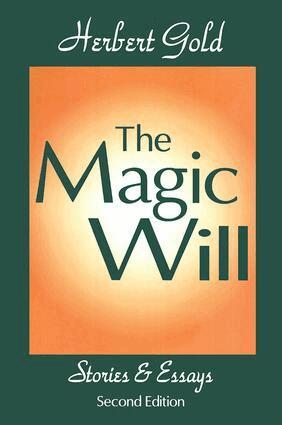
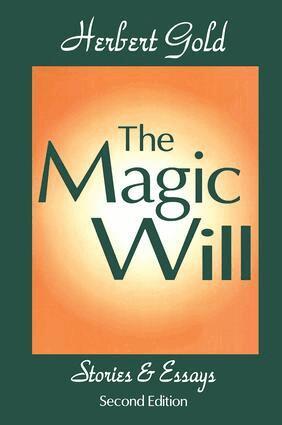
"In the course of an impressive career as a writer, Herbert Gold has demonstrated many gifts, among them his talent for mak-ing high drama of ordinary events, ordinary people." -Chicago Tribune Book World "Gold...has a sharp eye for detail."-The Washington Times Magazine "Not just a good book, but a great one."-Daily Mail (London) "Herbert Gold... gives his stories a wry, bright air of wonder...he is a born storyteller."-New York Times "One of the most gifted writers in America."-Detroit Times Important writers are expected to gather together collections of their shorter works-the obligatory book of stories or essays. In this collection, Herbert Gold discards convention, and instead combines fiction and non-fiction themes that have been important to him as a writer and social thinker. This "interchange between fact and fiction," as Gold writes, "presents the picture of an American mind wrestling with the American mentality." And that mind ranges wide: from the miseries of Haiti to the disasters of Biafra; from the new universities and the beatniks and hippies of San Francisco in the 1960s to the literary life and encounters with random violence, love, death, and sexuality in the present. Portions of this book have been published in periodicals as varied as Esquire and Look, Hudson Review, and Tri-Quarterly, and some appear here for the first time. For this edition, Gold bridges the sections with new introductions, which link the specific works, the times, and his life. The book includes the savage and moving story "A Death on the East Side," and his meditation on the doom of Biafra and the meaning of its fate. He has added two new essays, "King of the Cleveland Beatniks," about his brother, and "Quality Time with Sonny Barger," about the former president of the Hell''s Angels Oakland Chapter. These show his consistent interest in what many would see as the margins of social life. Of the title, the author writes: "The Magic Will" seeks to make the real world unreal and magical, and the unreal and magical world practical and real." Amusing, touching, playful, ultimately deeply serious, this book by Herbert Gold further illuminates the mind and heart of a superb writer. It will be a joy to those interested in the humanities, as well as cultural history and social awareness in the broadest sense. Herbert Gold is a novelist, short story writer, essayist, and occasional journalist, who has made his living as a writer for fifty years.
437 kr
Läs direkt efter köp
"In the course of an impressive career as a writer, Herbert Gold has demonstrated many gifts, among them his talent for mak-ing high drama of ordinary events, ordinary people." -Chicago Tribune Book World "Gold...has a sharp eye for detail."-The Washington Times Magazine "Not just a good book, but a great one."-Daily Mail (London) "Herbert Gold... gives his stories a wry, bright air of wonder...he is a born storyteller."-New York Times "One of the most gifted writers in America."-Detroit Times Important writers are expected to gather together collections of their shorter works-the obligatory book of stories or essays. In this collection, Herbert Gold discards convention, and instead combines fiction and non-fiction themes that have been important to him as a writer and social thinker. This "interchange between fact and fiction," as Gold writes, "presents the picture of an American mind wrestling with the American mentality." And that mind ranges wide: from the miseries of Haiti to the disasters of Biafra; from the new universities and the beatniks and hippies of San Francisco in the 1960s to the literary life and encounters with random violence, love, death, and sexuality in the present. Portions of this book have been published in periodicals as varied as Esquire and Look, Hudson Review, and Tri-Quarterly, and some appear here for the first time. For this edition, Gold bridges the sections with new introductions, which link the specific works, the times, and his life. The book includes the savage and moving story "A Death on the East Side," and his meditation on the doom of Biafra and the meaning of its fate. He has added two new essays, "King of the Cleveland Beatniks," about his brother, and "Quality Time with Sonny Barger," about the former president of the Hell''s Angels Oakland Chapter. These show his consistent interest in what many would see as the margins of social life. Of the title, the author writes: "The Magic Will" seeks to make the real world unreal and magical, and the unreal and magical world practical and real." Amusing, touching, playful, ultimately deeply serious, this book by Herbert Gold further illuminates the mind and heart of a superb writer. It will be a joy to those interested in the humanities, as well as cultural history and social awareness in the broadest sense. Herbert Gold is a novelist, short story writer, essayist, and occasional journalist, who has made his living as a writer for fifty years.
641 kr
Läs direkt efter köp
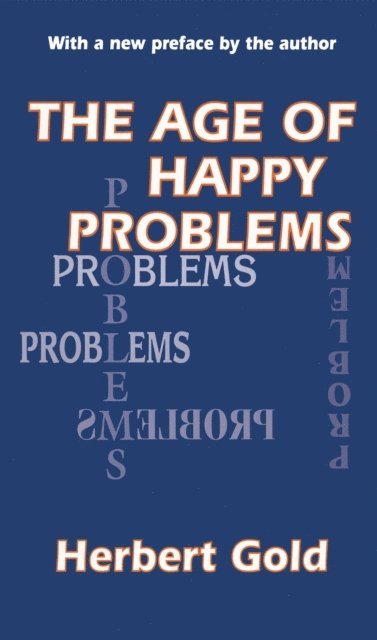
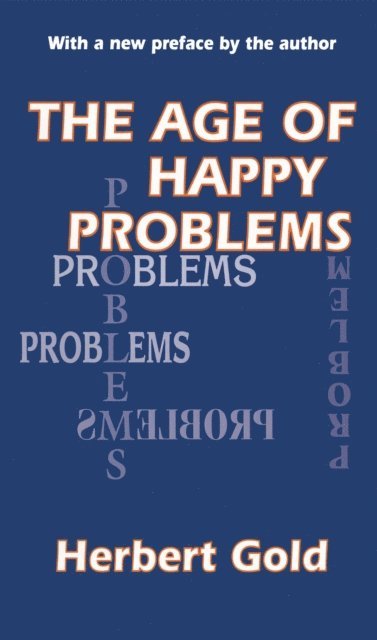
In his first book of non-fiction, originally published in 1962, Herbert Gold explores some not-so-happy problems confronting people in an age of "mass destruction, mass inertia, mass everything." While acknowledging that we live in a time of utmost global significance-war on an enormous scale was a reality of the twentieth century and continues to threaten, unadulterated evil has exhibited itself in grandiose proportions-Gold tackles issues and problems which are very much of significance to the individual: teaching, writing, love, marriage, divorce, and death. In The Age of Happy Problems, Gold takes the reader through a journey of eclectic characters, situations, and locales. Part I is a selection of essays entitled "American Events." In "The Age of Happy Problems" we are presented with an analysis of the problems facing people in the middle of their lives and careers. "How to Be an Artist''s Wife" explores the prospect of being married, and remaining married, to a temperamental and egotistical artist. "Divorce as a Moral Act" describes the termination of marriage as a means for renewal and the chance to start over again the search for love. "The Bachelor''s Dilemma" evokes the decisions confronting the male of the "big city." And "A Dog in Brooklyn, A Girl in Detroit: A L"ife Among the Humanities" is a memoir on the paradoxes of teaching in a university. Part II is entitled "American Places." The author examines in this section various American lifestyles. In "Paris: Notes from La Vie de Boheme," Gold describes Americans abroad, why they decide to become expatriates, and how they adapt to their new surroundings. In "Greenwich Village: The Changing Village" he writes about the importance of New York City''s symbol of change, experiment and nonconformity. Finally, the author meditates on "Death in Miami Beach," offering a moving account of the relationship between death and the popular Florida city. Gold writes: "How can I total it up? What is the map of the map? Well, to begin with, Plato was wrong. The life of contemplation is not sufficient...and for another thing, Plato was right. He knew that men must learn to come together in the practice of intelligence and moral privilege." Gold''s essays, stemming from the author''s own humanity, are just as poignant and relevant today as they were when they were first published. The Age of Happy Problems is sure to captivate, but perhaps most of all, make the reader contemplate the importance of these issues for his or her own life.
648 kr
Läs direkt efter köp
In his first book of non-fiction, originally published in 1962, Herbert Gold explores some not-so-happy problems confronting people in an age of "mass destruction, mass inertia, mass everything." While acknowledging that we live in a time of utmost global significance-war on an enormous scale was a reality of the twentieth century and continues to threaten, unadulterated evil has exhibited itself in grandiose proportions-Gold tackles issues and problems which are very much of significance to the individual: teaching, writing, love, marriage, divorce, and death. In The Age of Happy Problems, Gold takes the reader through a journey of eclectic characters, situations, and locales. Part I is a selection of essays entitled "American Events." In "The Age of Happy Problems" we are presented with an analysis of the problems facing people in the middle of their lives and careers. "How to Be an Artist''s Wife" explores the prospect of being married, and remaining married, to a temperamental and egotistical artist. "Divorce as a Moral Act" describes the termination of marriage as a means for renewal and the chance to start over again the search for love. "The Bachelor''s Dilemma" evokes the decisions confronting the male of the "big city." And "A Dog in Brooklyn, A Girl in Detroit: A L"ife Among the Humanities" is a memoir on the paradoxes of teaching in a university. Part II is entitled "American Places." The author examines in this section various American lifestyles. In "Paris: Notes from La Vie de Boheme," Gold describes Americans abroad, why they decide to become expatriates, and how they adapt to their new surroundings. In "Greenwich Village: The Changing Village" he writes about the importance of New York City''s symbol of change, experiment and nonconformity. Finally, the author meditates on "Death in Miami Beach," offering a moving account of the relationship between death and the popular Florida city. Gold writes: "How can I total it up? What is the map of the map? Well, to begin with, Plato was wrong. The life of contemplation is not sufficient...and for another thing, Plato was right. He knew that men must learn to come together in the practice of intelligence and moral privilege." Gold''s essays, stemming from the author''s own humanity, are just as poignant and relevant today as they were when they were first published. The Age of Happy Problems is sure to captivate, but perhaps most of all, make the reader contemplate the importance of these issues for his or her own life.
858 kr
Läs direkt efter köp
855 kr
Läs direkt efter köp
864 kr
Läs direkt efter köp
855 kr
Läs direkt efter köp
729 kr
Skickas inom 10-15 vardagar
633 kr
Skickas inom 3-6 vardagar
116 kr
Läs direkt efter köp
253 kr
Skickas