Herbert Schlossberg – författare
Visar alla böcker från författaren . Handla med fri frakt och snabb leverans.
6 produkter
6 produkter
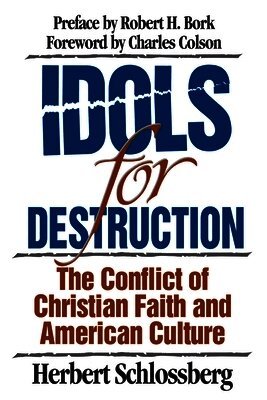
Häftad, Engelska, 1994
278 kr
Skickas inom 5-8 vardagar
Häftad, Engelska, 1993
341 kr
Skickas inom 3-6 vardagar
Häftad, Engelska, 2017
882 kr
Skickas inom 10-15 vardagar
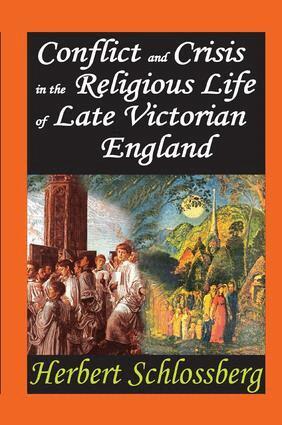
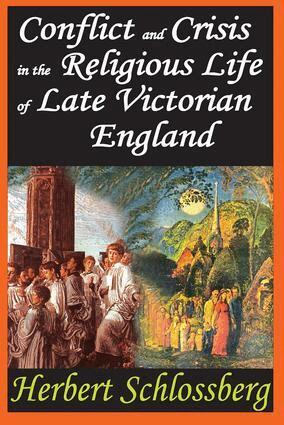
Contrary to its popular image as dull and stodgy, the Victorian period was one of revolutionary change. In its politics, its art, its economic aff airs, its class relationships, and in its religion, change was constant. A half-century after Queen Victoria's death, it was said that she was born in one world and died in another. Th e most interesting and valuable studies of the period take the long view, as does Schlossberg, in his fascinating analysis of religious life in this period.For the Victorians, religion was not cordoned off from the push and shove of real life. Th e early evangelicals got off to a shaky start, beset by hostility, but the movement spread within the churches despite the suspicion in which it was held. Evangelicals, frequently called Puritans by those who opposed them, called for fundamental reforms in both the Church and the society; a social ethic was part of their program of religious renewal. Th eir moral sense explains the social activism of both Church of England Evangelicals and Dissenters, including the half-century crusade for the abolition of slavery.Schlossberg shows how religion in England dealt with such issues as science and the eff ect of German scholarship on religious thinking. Church history cannot simply be explained by its response to external forces as much as by the internal responses to those challenges. Th e nature of the religious enterprise itself, its theologians, clergy, lay people--like all people and all institutions--all responded with alternatives. Schlossberg helps us understand the Victorian period, as well as the increasing secularity of English life today.
E-bok
Engelska, 20171 059 kr
Läs direkt efter köp
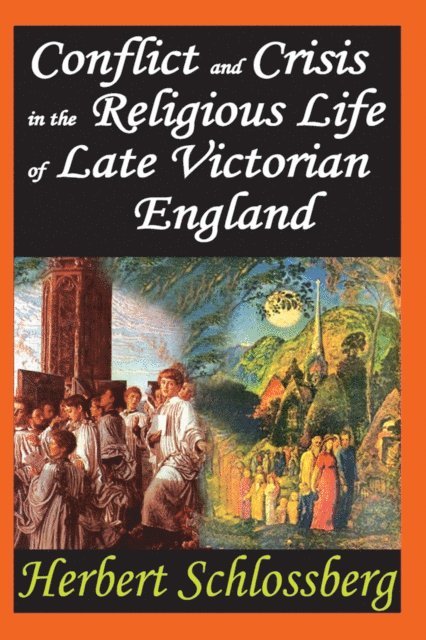
Contrary to its popular image as dull and stodgy, the Victorian period was one of revolutionary change. In its politics, its art, its economic aff airs, its class relationships, and in its religion, change was constant. A half-century after Queen Victoria''s death, it was said that she was born in one world and died in another. Th e most interesting and valuable studies of the period take the long view, as does Schlossberg, in his fascinating analysis of religious life in this period. For the Victorians, religion was not cordoned off from the push and shove of real life. Th e early evangelicals got off to a shaky start, beset by hostility, but the movement spread within the churches despite the suspicion in which it was held. Evangelicals, frequently called Puritans by those who opposed them, called for fundamental reforms in both the Church and the society; a social ethic was part of their program of religious renewal. Th eir moral sense explains the social activism of both Church of England Evangelicals and Dissenters, including the half-century crusade for the abolition of slavery. Schlossberg shows how religion in England dealt with such issues as science and the eff ect of German scholarship on religious thinking. Church history cannot simply be explained by its response to external forces as much as by the internal responses to those challenges. Th e nature of the religious enterprise itself, its theologians, clergy, lay people--like all people and all institutions--all responded with alternatives. Schlossberg helps us understand the Victorian period, as well as the increasing secularity of English life today.
E-bok
PDF, Engelska, 20171 059 kr
Läs direkt efter köp
Contrary to its popular image as dull and stodgy, the Victorian period was one of revolutionary change. In its politics, its art, its economic aff airs, its class relationships, and in its religion, change was constant. A half-century after Queen Victoria''s death, it was said that she was born in one world and died in another. Th e most interesting and valuable studies of the period take the long view, as does Schlossberg, in his fascinating analysis of religious life in this period. For the Victorians, religion was not cordoned off from the push and shove of real life. Th e early evangelicals got off to a shaky start, beset by hostility, but the movement spread within the churches despite the suspicion in which it was held. Evangelicals, frequently called Puritans by those who opposed them, called for fundamental reforms in both the Church and the society; a social ethic was part of their program of religious renewal. Th eir moral sense explains the social activism of both Church of England Evangelicals and Dissenters, including the half-century crusade for the abolition of slavery. Schlossberg shows how religion in England dealt with such issues as science and the eff ect of German scholarship on religious thinking. Church history cannot simply be explained by its response to external forces as much as by the internal responses to those challenges. Th e nature of the religious enterprise itself, its theologians, clergy, lay people--like all people and all institutions--all responded with alternatives. Schlossberg helps us understand the Victorian period, as well as the increasing secularity of English life today.
Inbunden, Engelska, 2009
2 395 kr
Skickas inom 10-15 vardagar
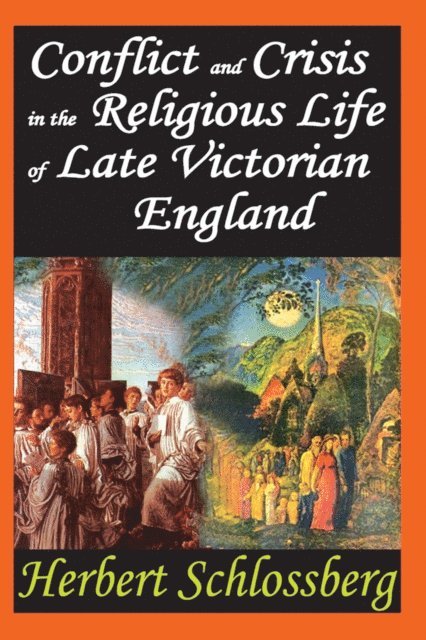
Contrary to its popular image as dull and stodgy, the Victorian period was one of revolutionary change. In its politics, its art, its economic aff airs, its class relationships, and in its religion, change was constant. A half-century after Queen Victoria's death, it was said that she was born in one world and died in another. Th e most interesting and valuable studies of the period take the long view, as does Schlossberg, in his fascinating analysis of religious life in this period.For the Victorians, religion was not cordoned off from the push and shove of real life. Th e early evangelicals got off to a shaky start, beset by hostility, but the movement spread within the churches despite the suspicion in which it was held. Evangelicals, frequently called Puritans by those who opposed them, called for fundamental reforms in both the Church and the society; a social ethic was part of their program of religious renewal. Th eir moral sense explains the social activism of both Church of England Evangelicals and Dissenters, including the half-century crusade for the abolition of slavery.Schlossberg shows how religion in England dealt with such issues as science and the eff ect of German scholarship on religious thinking. Church history cannot simply be explained by its response to external forces as much as by the internal responses to those challenges. Th e nature of the religious enterprise itself, its theologians, clergy, lay people--like all people and all institutions--all responded with alternatives. Schlossberg helps us understand the Victorian period, as well as the increasing secularity of English life today.