Hermann Drewes – författare
Visar alla böcker från författaren Hermann Drewes. Handla med fri frakt och snabb leverans.
8 produkter
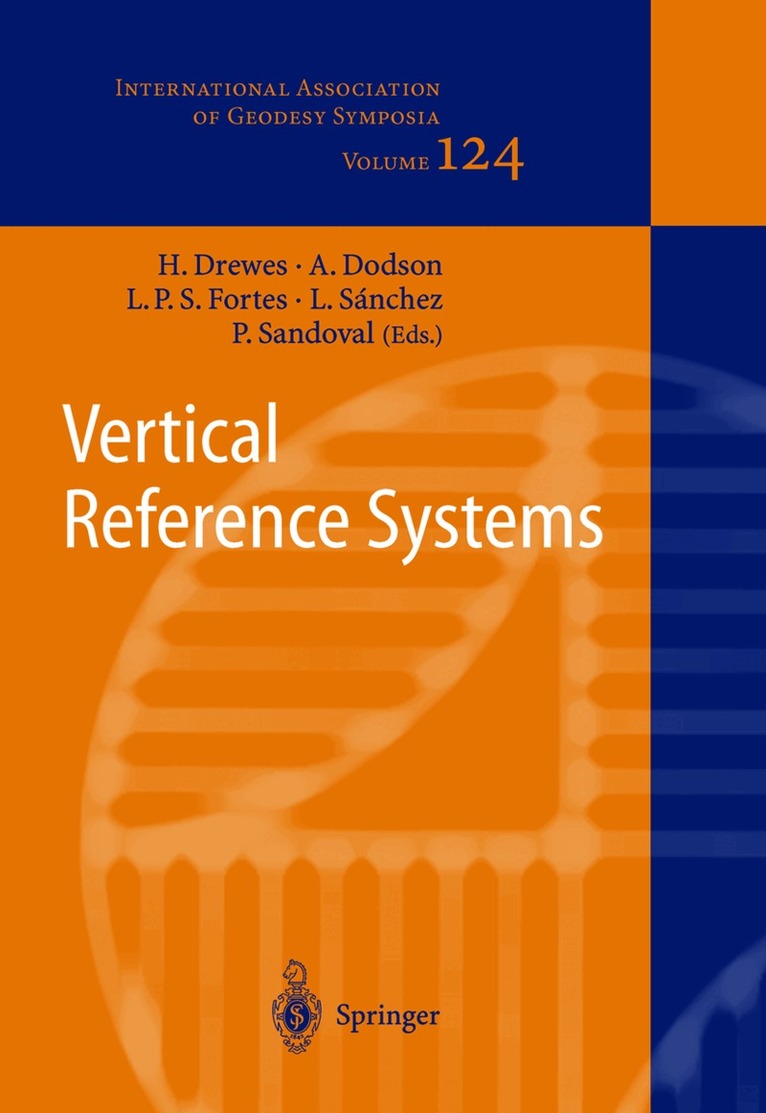
Vertical Reference Systems
IAG Symposium Cartagena, Colombia, February 20–23, 2001
Av Hermann Drewes, Alan H. Dodson m. fl.
Inbunden, 2002
2183 kr
Lägg i varukorg
The book contains the papers presented at the IAG Symposium on Vertical Reference Systems held in Cartagena, Colombia, in February 2001. It covers the status report of existing height reference systems and the latest steps towards the establishment of a unified vertical reference system. Classical …
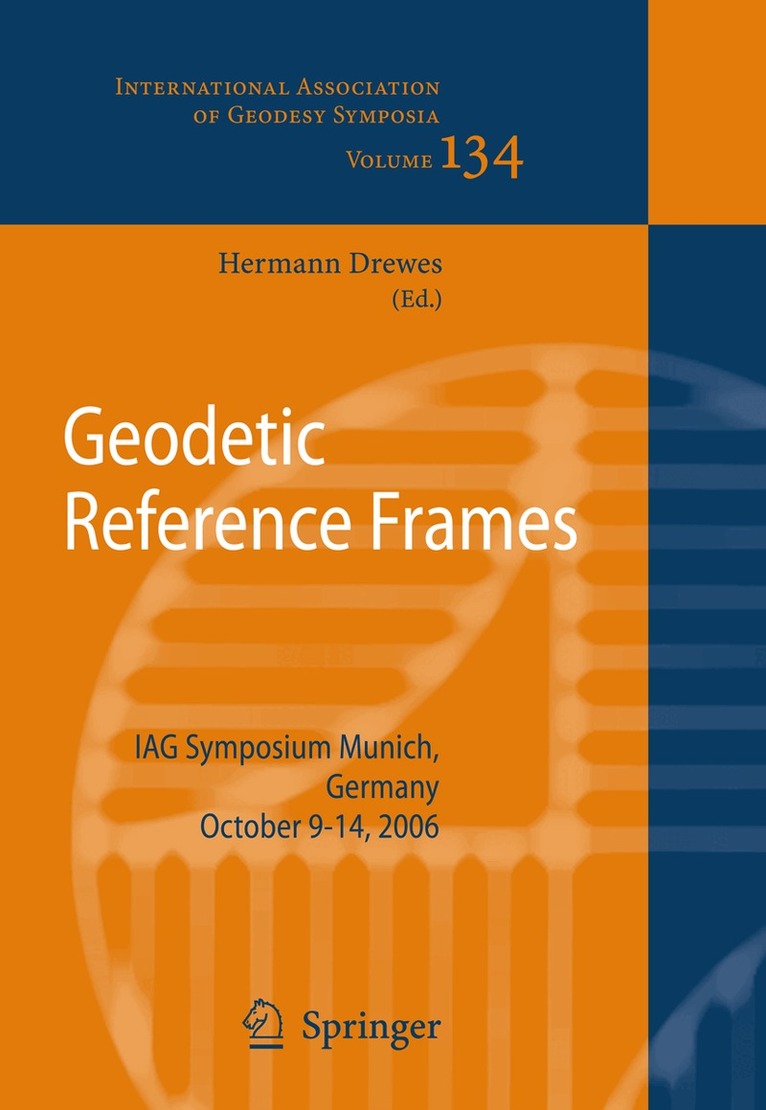
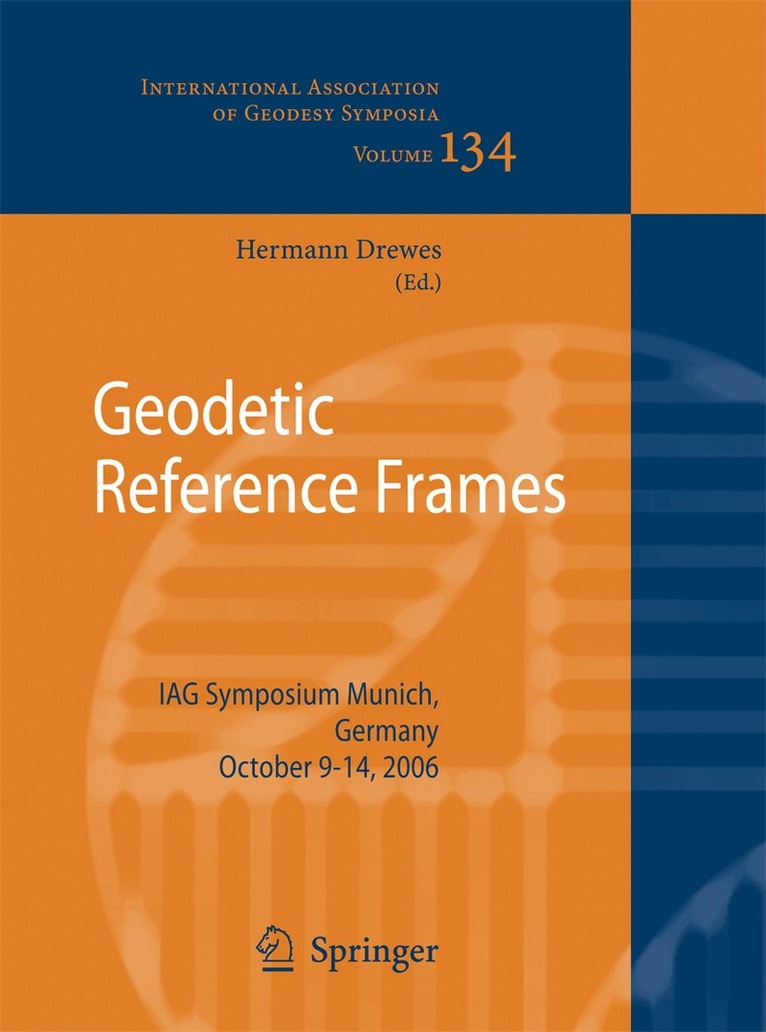
Geodetic Reference Frames
IAG Symposium Munich, Germany, 9-14 October 2006
Inbunden, 2009
1639 kr
Lägg i varukorg
Geodetic reference frames are the basis for The programme of the Symposium was divided three-dimensional, time dependent positioning according to the Sub-commissions, Projects in all global, regional and national networks, in and Study Groups of Commission 1 into eight cadastre, engineering, …
Geodetic Reference Frames
IAG Symposium Munich, Germany, 9-14 October 2006
E-bok, 2009
2111 kr
Lägg i varukorg
Geodetic reference frames are the basis for The programme of the Symposium was divided three-dimensional, time dependent positioning according to the Sub-commissions, Projects in all global, regional and national networks, in and Study Groups of Commission 1 into eight cadastre, engineering, …
Vertical Reference Systems
IAG Symposium Cartagena, Colombia, February 20–23, 2001
Av Hermann Drewes, Alan H. Dodson m. fl.
Häftad, 2010
2183 kr
Lägg i varukorg
The Symposium on Vertical Reference Systems (VeReS) was initiated on the occasion of the XXII General Assembly of the International Union of Geodesy and Geophysics (IUGG), Birmingham 1999, by Professor Dr. Wolfgang Torge, Past President of the International Association of Geodesy (lAG) and …
Geodetic Reference Frames
IAG Symposium Munich, Germany, 9-14 October 2006
Häftad, 2014
1639 kr
Lägg i varukorg
Geodetic reference frames are the basis for The programme of the Symposium was divided three-dimensional, time dependent positioning according to the Sub-commissions, Projects in all global, regional and national networks, in and Study Groups of Commission 1 into eight cadastre, engineering, …
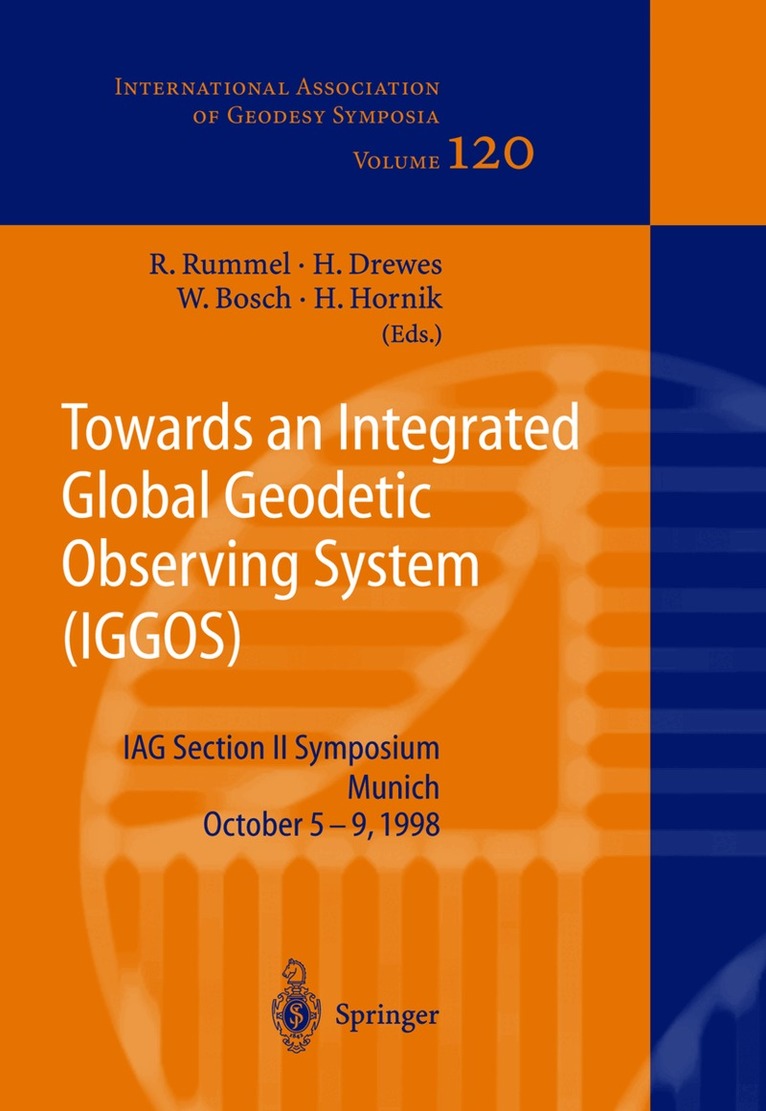
Towards an Integrated Global Geodetic Observing System (IGGOS)
IAG Section II Symposium Munich, October 5-9, 1998
Av Helmut Hornik, Wolfgang Bosch m. fl.
E-bok, 2012
1459 kr
Lägg i varukorg
The international symposium Towards an Integrated Global Geodetic Observing System was an initiative of section II Advanced Space Technology of the International Association of Geodesy (lAG). Ittook place in the building ofthe Bavarian Academy of Sciences in Munich from October 5 -9, 1998. About …
Towards an Integrated Global Geodetic Observing System (IGGOS)
IAG Section II Symposium Munich, October 5-9, 1998
Av Reinhard Rummel, Hermann Drewes m. fl.
Häftad, 2011
1095 kr
Lägg i varukorg
The international symposium Towards an Integrated Global Geodetic Observing System was an initiative of section II Advanced Space Technology of the International Association of Geodesy (lAG). Ittook place in the building ofthe Bavarian Academy of Sciences in Munich from October 5 -9, 1998. About …
Vertical Reference Systems
IAG Symposium Cartagena, Colombia, February 20–23, 2001
Av Pedro Sandoval, Laura Sanchez m. fl.
E-bok, 2013
2925 kr
Lägg i varukorg
The Symposium on Vertical Reference Systems (VeReS) was initiated on the occasion of the XXII General Assembly of the International Union of Geodesy and Geophysics (IUGG), Birmingham 1999, by Professor Dr. Wolfgang Torge, Past President of the International Association of Geodesy (lAG) and …